

In recent years, China's economic growth has led to severe environmental issues, with excessive smoke emissions being a significant factor contributing to pollution. The majority of smoke emissions are caused by the combustion of coal, which generates up to 70% of sulfur dioxide and other substances during the thermal power generation process in China. When released into the air, these emissions can lead to acid rain and cause considerable harm to the environment. Currently, to mitigate air pollution caused by smoke emissions, thermal power plants are implementing desulfurization and denitrification treatments on the smoke.
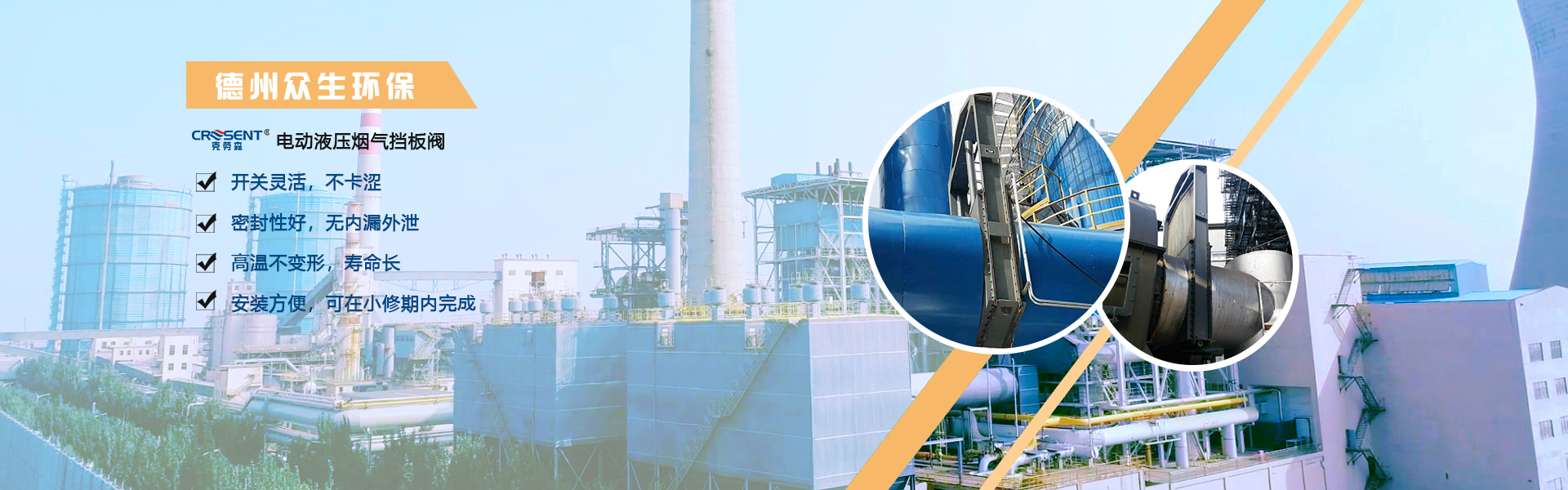
Before desulfurization and denitrification, butterfly valves are used after the induced draft fan and before the booster fan. These valves are used to isolate flue gas flow and can also be used in other flue gas ducts with high requirements for operation isolation. The butterfly valve here serves as the passage for flue gas entering the desulfurization tower. Installing the butterfly valve at this location prevents untreated flue gas from entering the chimney and being released into the atmosphere, thereby avoiding environmental pollution.
Plug valves can also control flue gas flow. The control of insertion and removal of flue gas flow is mainly used for bypass flue gas heating systems' bypass flue.
The plug valve can also exhaust flue gas. The exhaust plug door is installed at the top of the GGH or absorption tower, facilitating the timely evacuation of flue gas from the container during system shutdown, providing a safe environment for maintenance personnel.
