
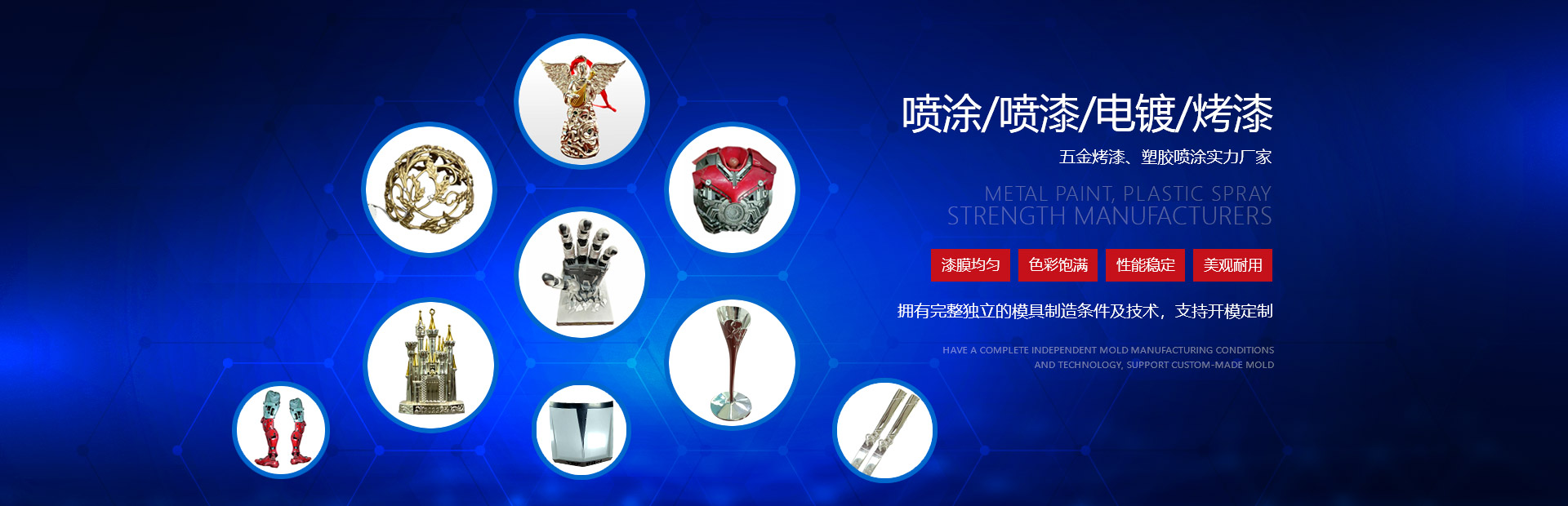
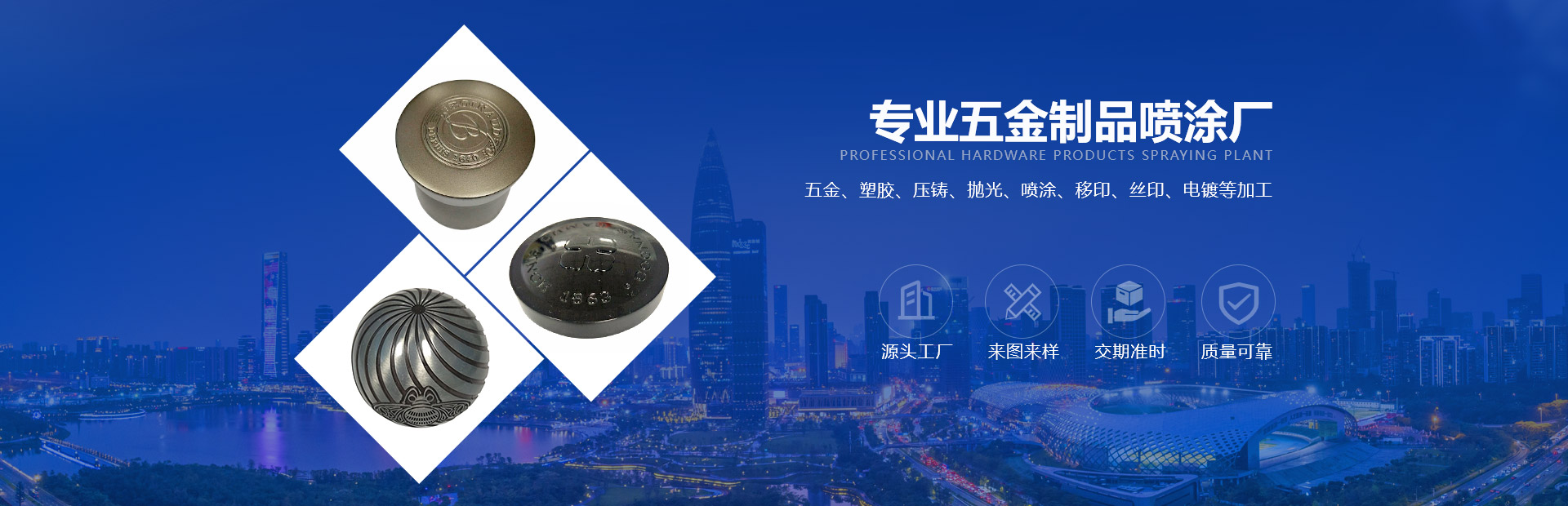


Metal surface coating processing is a vital surface treatment technique, which enhances the performance and functionality of metal materials by applying a special material layer onto the metal surface. This article will discuss the characteristics and advantages of metal surface coating processing, as well as its crucial role in the metal processing industry.
Enhancing Metal Corrosion Resistance
Metal surfaces are often exposed to harsh environments, making them susceptible to corrosion and oxidation. By applying a coating through spraying processing, a corrosion-resistant layer can be formed on the metal surface, effectively preventing direct contact between the metal and the external environment, thus extending the service life of metal materials. This is particularly crucial in metal applications under special working conditions, such as in marine and chemical industries.
Enhanced metal hardness and wear resistance.
Metal surface coating processing can also enhance the hardness and wear resistance of metal materials. The coating typically uses high-hardness, high-wear-resistant materials such as ceramics and alloys, which are tightly bonded to the metal substrate, significantly improving the metal's hardness and wear resistance. This allows metal materials to be more durable under harsh conditions such as high loads and friction.
Enhance metal thermal conductivity
Metal surface coating processing can also enhance the thermal conductivity of metals. In certain applications, the thermal conductivity of metal materials may not be ideal, leading to lower heat transfer efficiency. By applying coating processing, a thermal conductivity-improved layer can be formed on the metal surface, boosting the thermal conduction efficiency of the metal materials and enhancing their heat dissipation capabilities.
4. Achieve functional diversification of metallic materials
Metal surface coating processing not only enhances the fundamental properties of metal materials but also endows them with additional functionalities. By selecting different types of coating materials and structures, metals can achieve various functions such as corrosion resistance, wear resistance, heat insulation, and radiation protection. This allows metal materials to adapt to diverse usage scenarios and needs, expanding their application fields.
Metal surface coating and processing, as an important metal surface treatment technique, provides exceptional performance and functional enhancements for metal materials. It effectively enhances the corrosion resistance, hardness, and wear resistance of metals, improves thermal conductivity, and achieves diversification in the functions of metal materials. In industrial production and various fields, metal surface coating and processing plays a crucial role, offering customers high-quality metal material solutions.
