
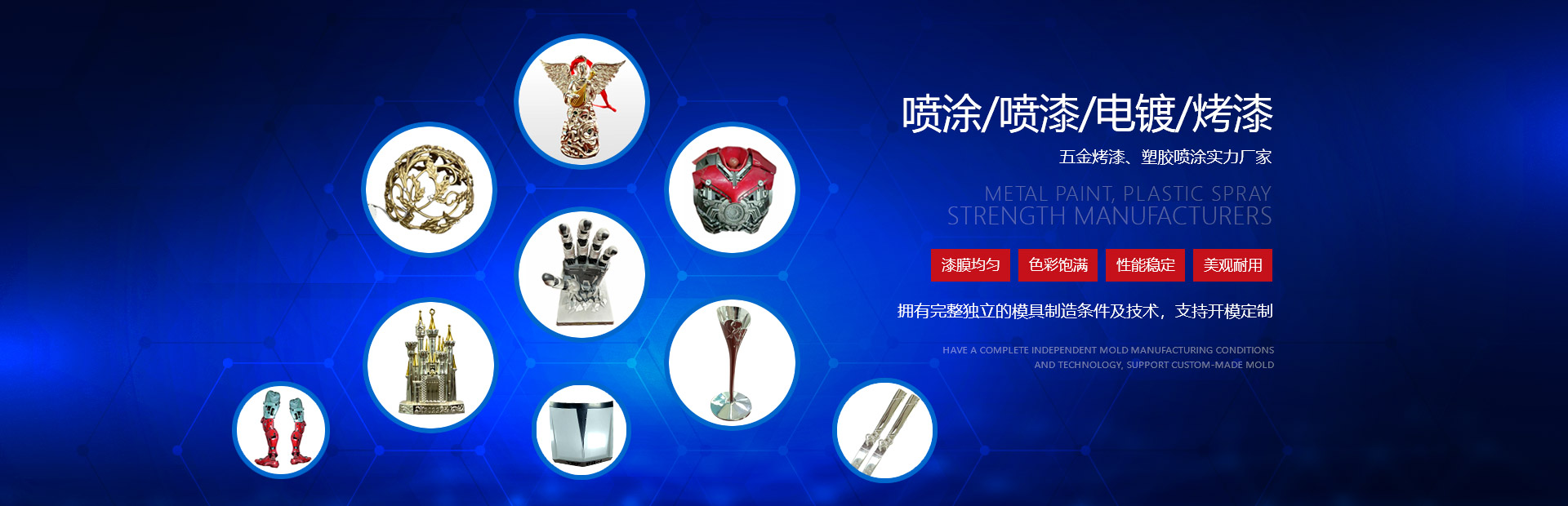
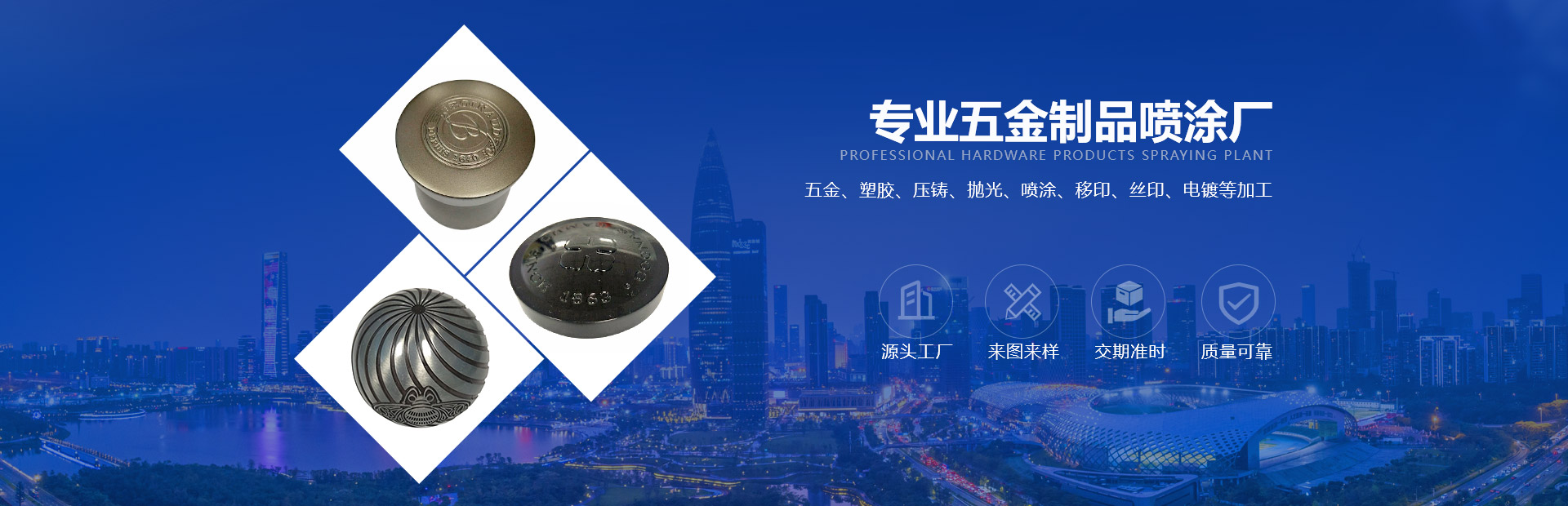


Powder coating is a commonly used surface treatment method that provides both an attractive appearance and protective coating for products. However, improper handling can lead to issues such as a rough surface, bubbling, or color variation.
1. Preparatory Work: Prior to painting, appropriate preparation of plastic products is necessary. Firstly, clean the surface to remove dust, grease, and other impurities. Then, sand the surface with sandpaper or other abrasive tools to ensure better adhesion during painting.
2. Choosing the Right Spraying Equipment: Selecting the appropriate spraying equipment is crucial as different devices yield various results. Generally, high-pressure gas spraying or electrostatic spray guns can deliver a more even coating, whereas low-pressure gas spray guns may lead to bubbling or other surface defects.
3. Choosing the Right Paint: Selecting the appropriate paint is also crucial. Different plastics require different types of paint; otherwise, poor adhesion or other issues may arise. When choosing paint, consider the surface's intended use and environmental conditions to select the right product.
4. Control Spray Pressure and Speed: During the spraying process, it is essential to control the pressure and speed to ensure the paint adheres evenly to the surface. If the spray pressure is too high or the speed too fast, the paint may result in uneven spots or bubbles.
5. Curing Bake: After the coating is applied, it requires drying and curing. This process may take several hours to several days, depending on the type of paint and environmental conditions. During the curing period, the surface should be kept clean to prevent any damage or defects.
