
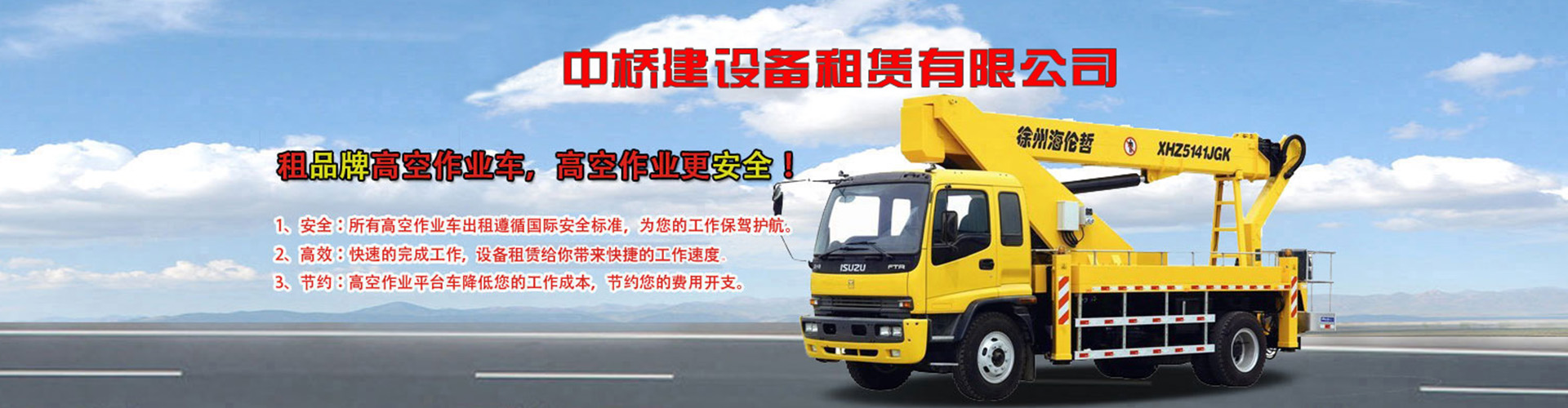


Lift Truck Maintenance includes daily inspections and regular maintenance. Daily inspections cover appearance, electrical, hydraulic, operation, and safety systems; regular maintenance involves cleaning and lubrication, hydraulic oil replacement, electrical component maintenance, part wear inspection, and functionality testing.
The maintenance steps for scissor lifts cover various aspects. Below is a detailed maintenance and care procedure:
Routine Inspections and Maintenance:
Exterior and structural component inspection: Check for any visible damage to the vehicle's exterior, ensure all connections are securely fastened, and inspect for any deformation or cracks in structural components such as the boom, platform, and support legs.
Electrical System Inspection: Verified that power lines are intact and undamaged, battery power is sufficient, and all lighting and signaling equipment are functioning normally.
Hydraulic System Inspection: Check the hydraulic oil level and quality for normalcy, observe for any oil leakage; ensure the hydraulic pump and motor operate without unusual noises, and that all actuating elements move smoothly.
Tire Inspection: Tires have moderate air pressure, brakes perform well, and steering mechanism is agile and reliable.
Safety Device Inspection: Verify the effective operation of limit switches, emergency stop devices, safety locks, and other protective safety facilities.
Routine Maintenance
Clean and Lubricate: Regularly clean the surface and interior of the lift table to remove accumulated dust, and apply lubrication to critical components such as the guide rails, roller wheels, and joint bearings.
Hydraulic Oil Replacement: Replace hydraulic oil according to the manufacturer's recommended time intervals, and simultaneously replace the filter element.
Electrical Component Maintenance: Regularly inspect cable connections for looseness and corrosion, and conduct insulation tests as necessary.
Part Component Wear Inspection: Conduct wear inspections on wear-prone parts such as brake pads, tires, and wire ropes, and replace them in a timely manner.
Functional Testing: Regularly conduct unloaded and fully loaded trial runs to ensure all operational functions are functioning properly.
