
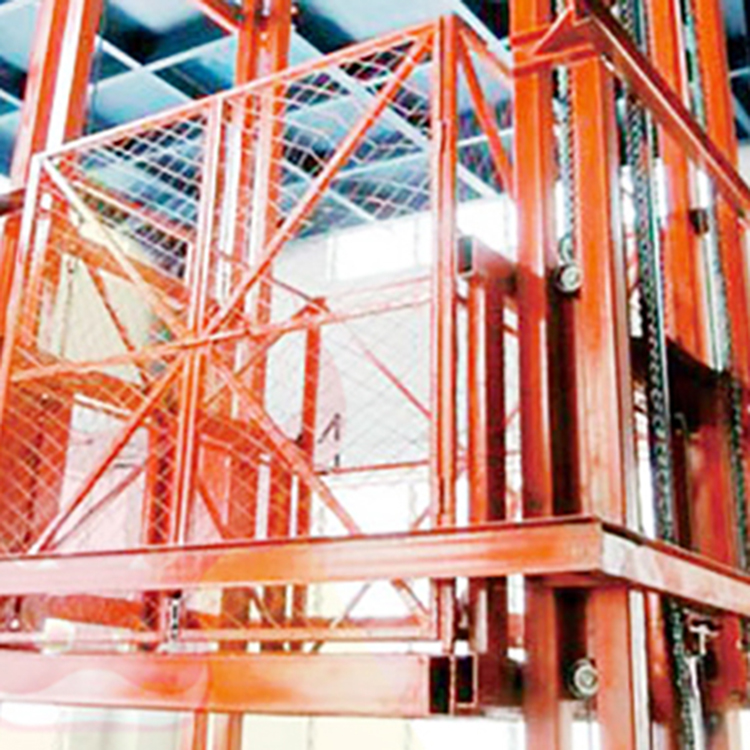

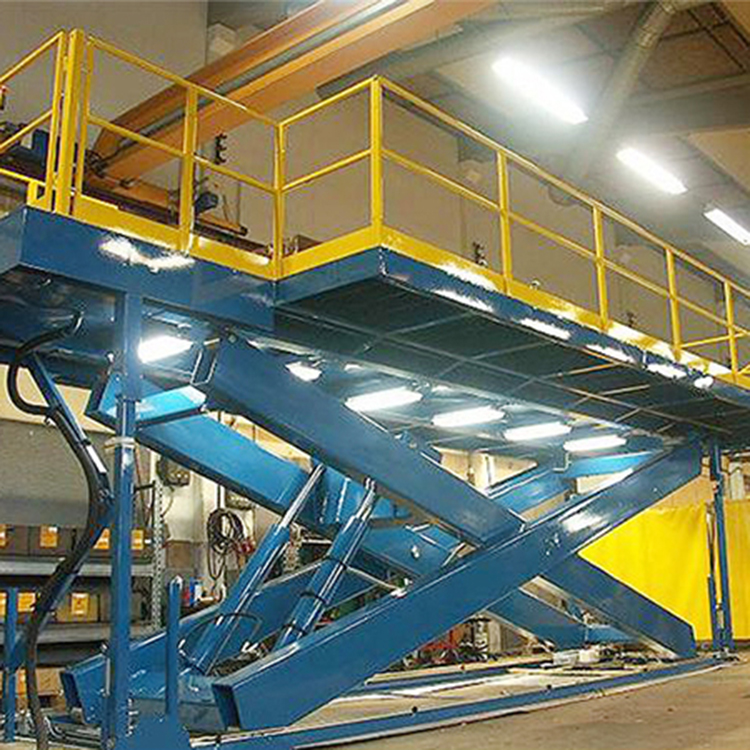
Hydraulic oil is pressurized by a vane pump, passing through a filter, explosion-proof directional control valve, throttle valve, check valve, and balance valve to the bottom of the cylinder. This causes the cylinder's piston to move upward, lifting heavy objects. The returned oil from the top of the cylinder flows back to the oil tank via the explosion-proof directional control valve. The rated pressure is adjusted through an overflow valve, and the pressure reading is observed on a pressure gauge.
The piston in the liquid cylinder moves downward (i.e., the heavy object descends).
Hydraulic oil enters the top of the cylinder through a explosion-proof solenoid directional valve, and the oil returning from the bottom of the cylinder passes through a balance valve, a hydraulic check valve, a throttle valve, and an explosion-proof solenoid directional valve back to the oil tank.
To ensure smooth descent of heavy loads and reliable braking safety, a balance valve is installed in the return oil path. This maintains the pressure in the balancing circuit, allowing the descent speed to remain unaffected by the weight of the load. Flow is regulated by a throttle valve, controlling the lifting and lowering speed.
To ensure braking safety and reliability, prevent accidents, and add a hydraulic check valve, also known as a hydraulic lock, to guarantee safe self-locking in case of an accidental burst in the hydraulic pipeline.
Installed overload sound alarm to differentiate between overload conditions or equipment malfunctions.
Electrical control systems operate the motor's rotation through explosion-proof buttons SB1-SB6, control the reversing of the explosion-proof solenoid directional valves to maintain lifting or lowering of the load, and adjust the time delay with the "LOGO" program to prevent frequent motor startups, thus extending its service life.
1. The unit is lightweight, highly maneuverable, and suitable for single-person operation.
2. Custom-designed intermediate stays with smooth and easy lifting.
3. Compact structure, with small dimensions in transport state, allowing access into standard elevator cabins and easy passage through doorways and narrow passages.
4. Dual-protection leg structure for enhanced safety during operation, and capable of close proximity lifting and lowering near the work surface.
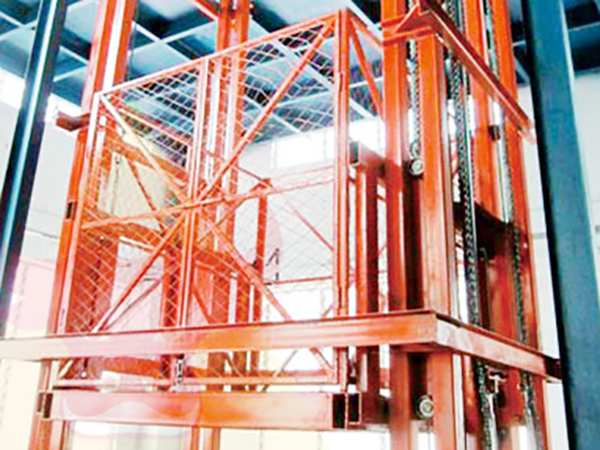
The dual-column aluminum alloy lifting platform is a brand-new generation product, meticulously crafted from high-strength aluminum profiles. Due to the high strength of the profiles, the deflection and swing of the lifting platform are minimized. It features a dual-mast structure, offering a large load capacity, spacious platform area, excellent stability, flexible operation, and easy maneuverability. Its lightweight design allows for high lifting capabilities in confined spaces.
The elevator is widely used in factories, hotels, office buildings, shopping malls, stations, airports, stadiums, and more. It can be used for the installation and maintenance of power lines, lighting equipment, elevated pipelines, and for single-person高空work at heights, such as high-altitude cleaning.