


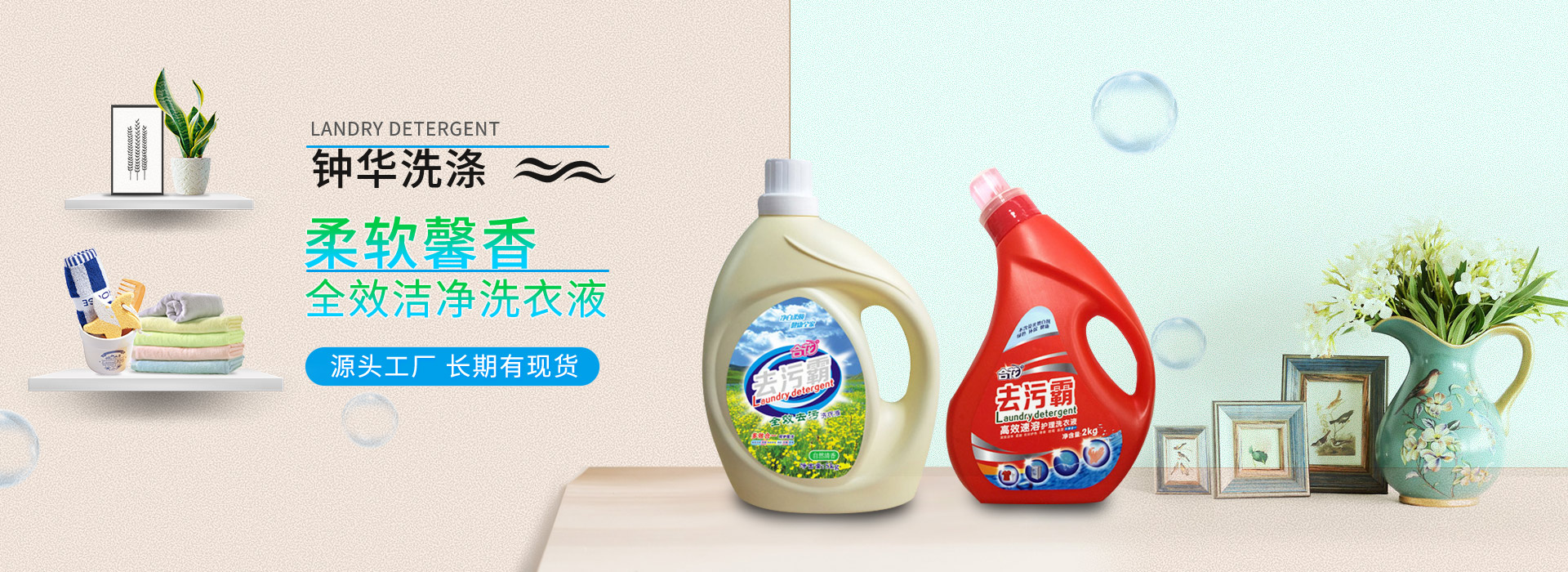

The working principle of laundry detergent is similar to that of traditional laundry powders and soaps, as they both contain surfactants as the active ingredients. The difference lies in that traditional laundry powders and soaps use anionic surfactants, primarily alkyl sulfonates and stearates, which are more alkaline (with a pH generally greater than 12), leading to greater skin irritation and damage upon use. So, what are the benefits of choosing laundry detergent?
1. Easily dissolvable
The solubility can be explained as whether it is easy to dissolve in water. High-quality laundry detergent will disperse with just a few swirls once added to water, much like ink drops in clear water. In contrast, low-quality laundry detergent requires more stirring, and sometimes it never fully disperses. Some people think that the thicker the laundry detergent, the better, but the cheap thickener is NaCl, which is the table salt we use every day for cooking, and it has almost no cleaning power.
2. High protection
Our laundry detergent utilizes a gentle liquid formula with a multifunctional combination of cleaning and care. Compared to traditional detergents, it has a lower alkalinity, offering a milder performance that doesn't harm clothing or hands. Human skin is normally slightly acidic (pH ranges between 5.5 to 6.5, with lower numbers indicating stronger acidity), whereas most laundry powders on the market are alkaline, posing significant skin damage. Additionally, any alkaline cleaning agent can damage clothes.
3. Stain Removal Capacity
Laundry detergent boasts superior stain-removing power compared to traditional laundry powders and soaps. When washing with detergent, we should avoid vigorous scrubbing; a gentle rub is sufficient. For heavily soiled areas, pre-treating with laundry detergent is recommended for effortless cleaning.
4. Phosphate-Free Laundry Detergent: Means More "Eco-Friendly" and Safe
Research indicates that long-term use of high-phosphate and aluminum-based detergents can directly impact the body's absorption of calcium, and the residual phosphate in clothing can irritate the skin, especially delicate baby skin. Additionally, phosphorus-containing laundry products are prone to damaging fabrics. "Phosphate" is not only harmful to health but also serves as a nutrient that stimulates microbial growth, posing significant environmental risks.
