
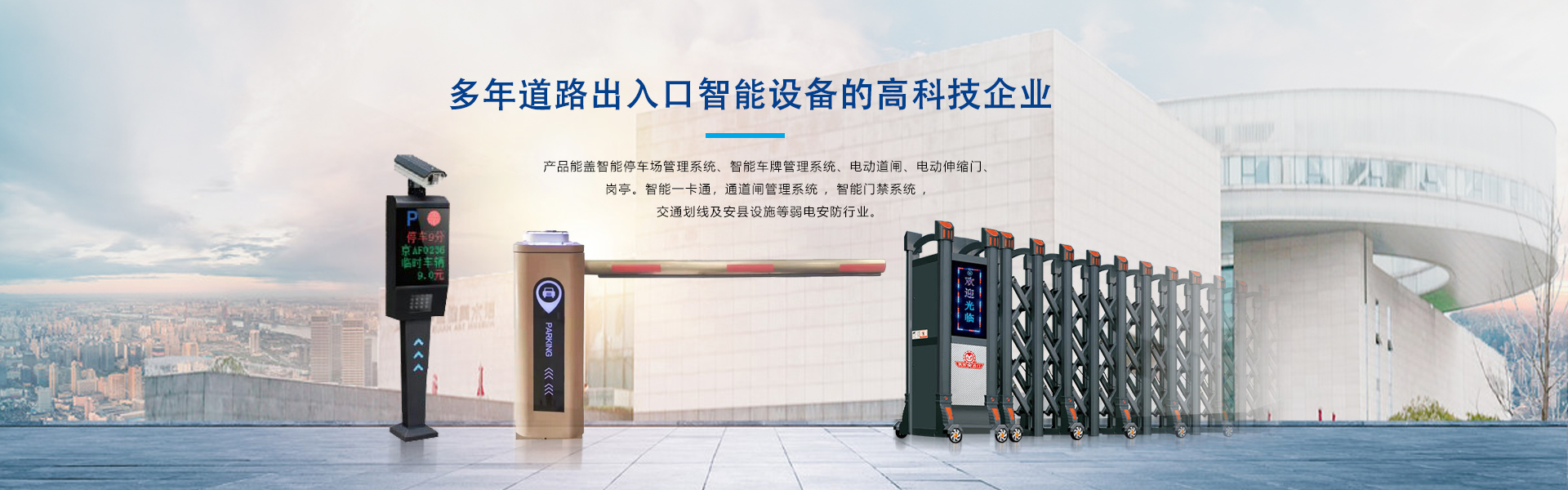
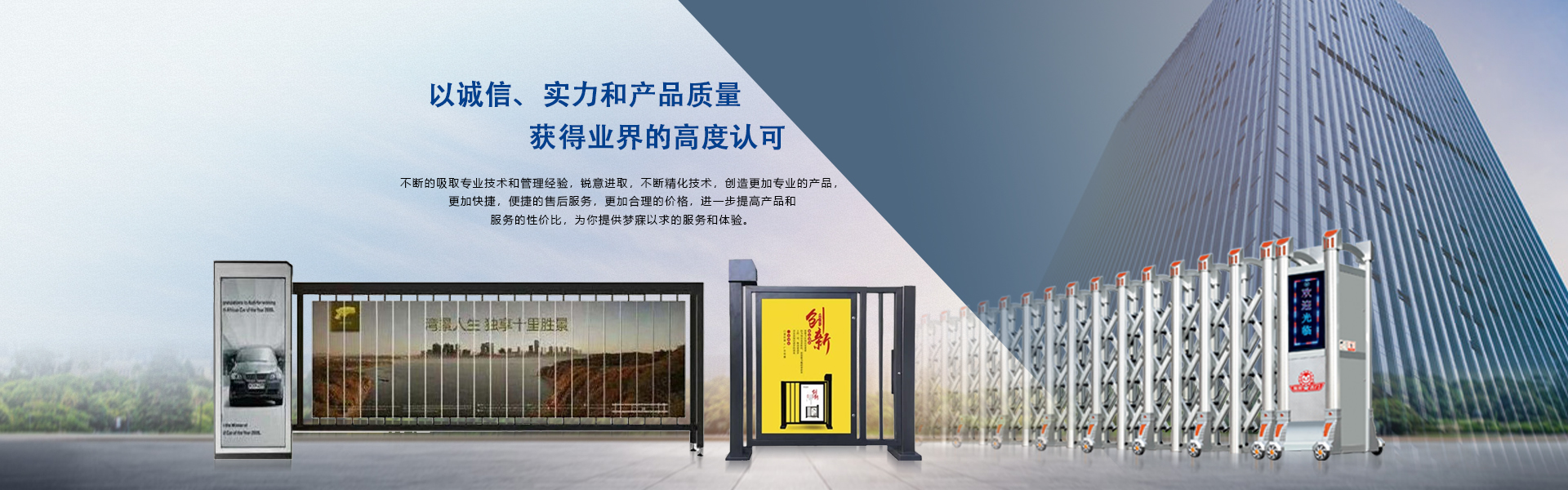

A barrier gate is a common security control device widely used in public places, commercial buildings, airports, stations, and more. It manages the entry and exit of people and vehicles through electronic control systems, effectively ensuring the safety and order of the location.
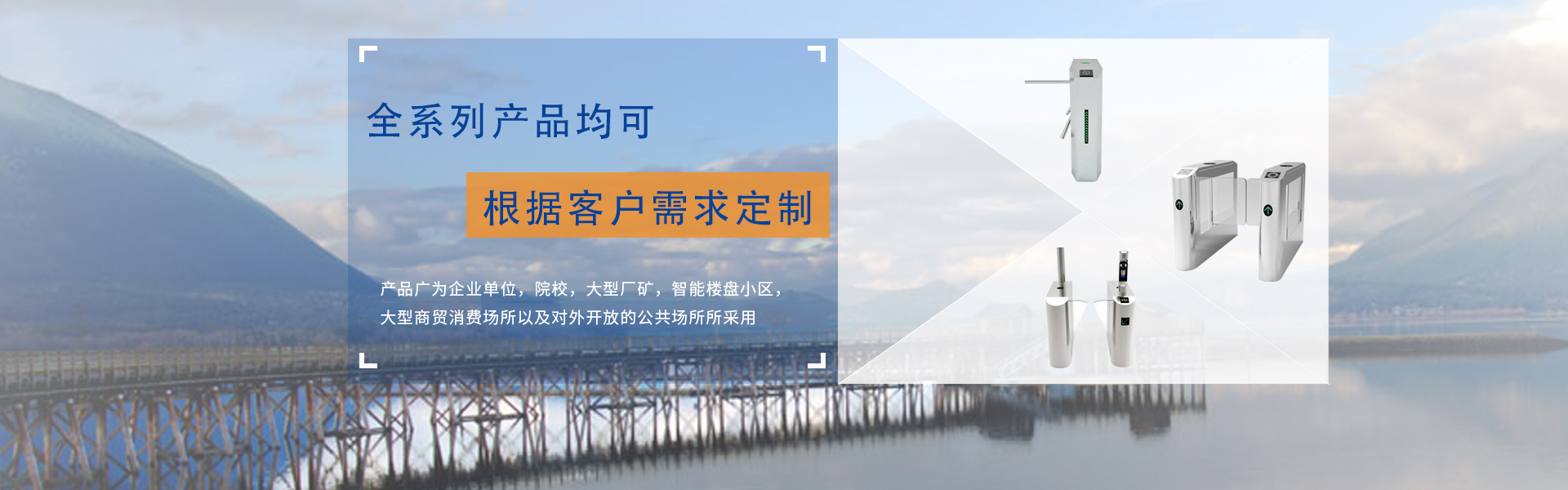
There are various types of turnstiles, with common ones including three-roller turnstiles, swing arm turnstiles, and wing gate turnstiles. The three-roller turnstile is a cost-effective and practical option for pedestrian entry and exit; the swing arm turnstile is more suitable for vehicle entry and exit, as it can be automatically opened and closed by an electric motor; the wing gate turnstile is aesthetically pleasing and ideal for high-end commercial buildings and similar venues.
The gate system, in addition to managing access and exit, can be integrated with other equipment to achieve more functions. For instance, at airports or train stations, the gate system can be paired with security screening devices to conduct passenger screenings; in commercial buildings, it can be used in conjunction with access control systems to authenticate the identities of employees and visitors.
When using the gate, there are several precautions to take. Firstly, operate the gate correctly by following the indicator lights for entry and exit; secondly, adhere to the gate usage regulations and avoid forceful entry or jamming the gate; lastly, maintain the cleanliness and regular maintenance of the gate, including dust removal and checking for proper equipment operation.
In summary, the gate barrier is a highly practical safety control device that effectively manages the entry and exit of personnel and vehicles, ensuring the safety and order of the location. In future applications, the gate barrier will continue to evolve and innovate, bringing more convenient, efficient, and secure services to people.
