
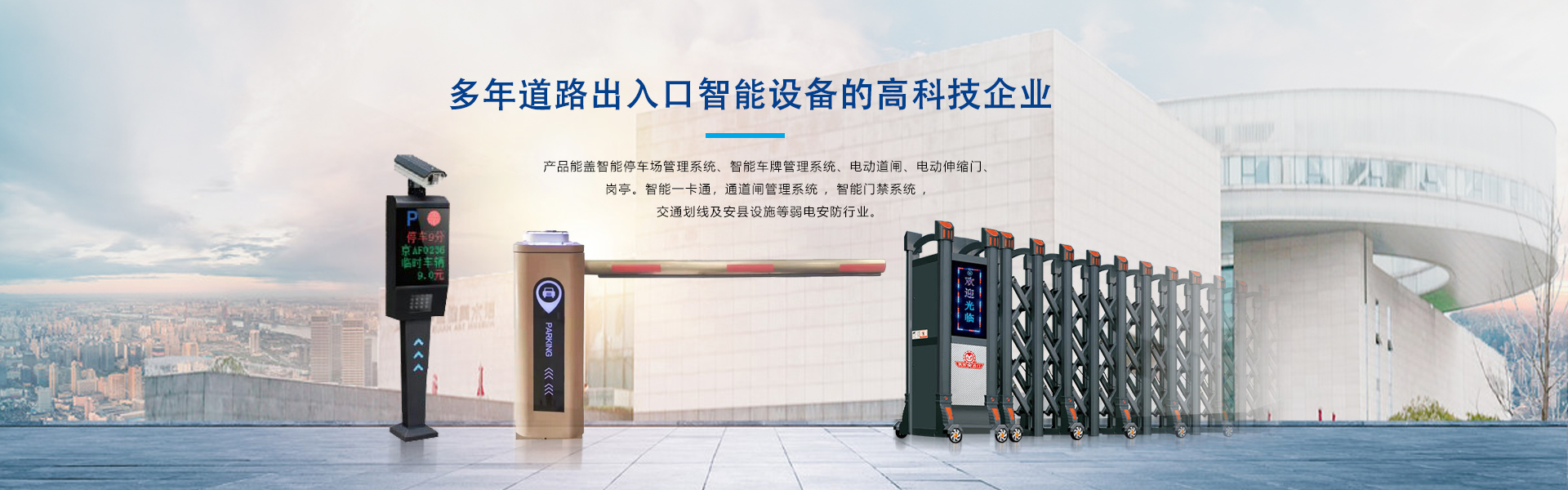
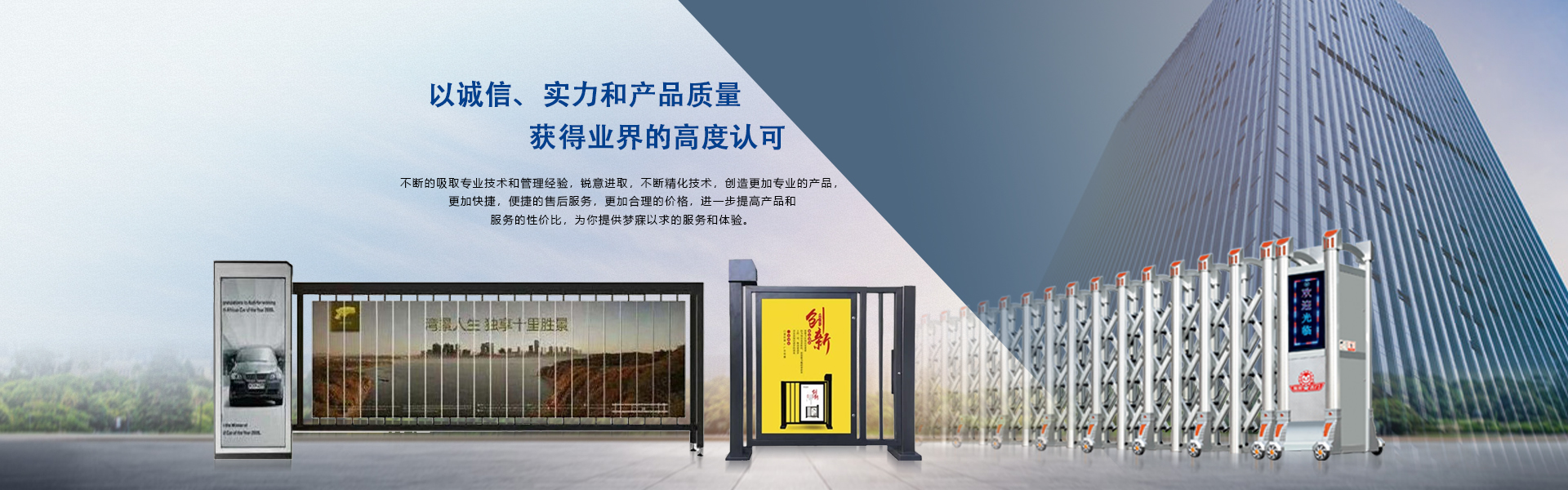

A barrier gate is a mechanical device used to control vehicle entry and exit, commonly installed at the entrances and exits of parking lots, residential communities, factories, and other locations. The primary function of a barrier gate is to regulate vehicle access, ensuring safety and management, and preventing unauthorized entry and exit. This article will introduce the structure and working principle of barrier gates.
Section 1: Gate Lifter Structure
The barrier gate is mainly composed of the following components:
1. Barrier Arm: The barrier arm is the main component of a barrier gate, typically made of metal and shaped as a cylinder or square, with a length of approximately 3-5 meters. The top of the barrier arm features a red or yellow warning stripe to alert drivers to its presence.
2. Gate Motor: The gate motor is a crucial component for controlling the up and down movement of the gate. It is typically a DC motor that can be controlled by a remote control or controller to raise or lower the gate.
3. Bracket: The bracket is the supporting part of the gate rod, typically made of steel plate, which can be mounted on the ground or wall. The design of the bracket should be robust and durable to ensure the stable operation of the gate rod.
4. Controller: The controller is the core component of the gate system, responsible for controlling the gate arm's lifting and lowering. Typically, it consists of a microprocessor, power supply, motor driver, sensors, and more.
5. Sensors: Sensors are the components that detect when a vehicle arrives, capable of measuring the size and position of the vehicle to control the gate arm's lifting and lowering.
6. Cables: Cables are components that connect controllers to motors, facilitating the transmission of control signals.
Section 2: The Working Principle of the Gate Operator
The working principle of a barrier gate can be divided into the following steps:
1. Vehicle Approach: As vehicles approach the gate, sensors detect their size and position, transmitting the signal to the controller.
2. Signal Processing: After receiving signals from the sensors, the controller processes the signals to determine whether it is necessary to lift the barrier arm.
3. Boom Lift: If the controller determines the vehicle can pass, it sends a signal to the motor via cable to lift the boom.
4. Vehicle Passage: Vehicles can pass through the barrier gate when the arm is raised to an adequate height.
5. Barrier Lowering: After vehicles pass through, the barrier will automatically lower to prevent other vehicles from entering.
