

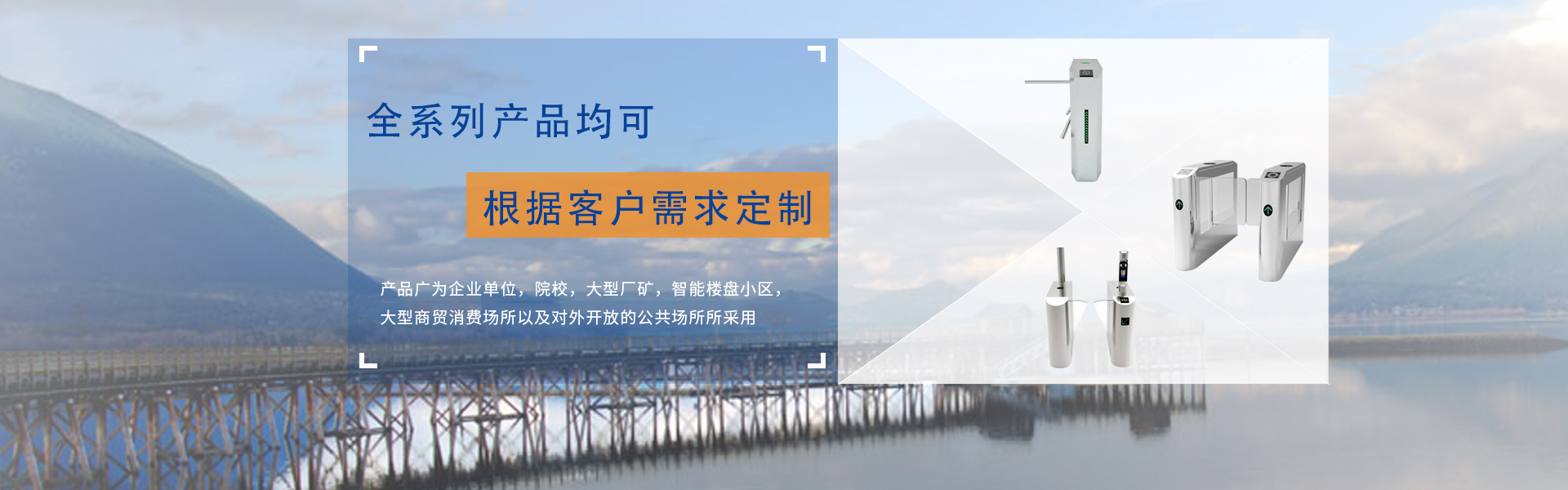


Common malfunctions in the daily use of the drop gate include gate jamming, hydraulic system leaks, and electrical failures. Gate jamming is one of the most common issues. The reasons for gate jamming are varied, possibly due to the gate being too large or too small, or sediment accumulation preventing the gate from opening or closing properly. Another common problem is hydraulic system leaks, which can prevent the gate from being raised or lowered, necessitating timely repairs. Additionally, electrical failures are also frequent issues, such as malfunctioning switches or damaged cables, which require prompt maintenance.
Maintenance Methods for the Drop Gate
Routine Inspections: The drop gate requires regular daily checks, which include the operation of the gate's opening and closing, the level and quality of hydraulic oil, and the normal functioning of the electrical system.
Maintenance Methods: The maintenance of the emergency drop gate includes bearing lubrication, hydraulic system care, and electrical system cleaning. Regular bearing lubrication is essential to ensure smooth operation. Hydraulic system care involves oil changes, cleaning, and replacing seals to ensure proper functioning. Cleaning the electrical system can effectively prevent electrical failures.
Fault Management: In the event of a malfunction with the drop gate, it should be promptly repaired or replaced. For common jamming issues, physical or chemical cleaning methods can be employed. In cases of hydraulic system leaks, inspect the system seals and replace them as necessary. Electrical system malfunctions require the replacement of damaged electrical components.
Sump gates, as common hydraulic engineering facilities, require crucial maintenance. Regular inspections, maintenance, and timely troubleshooting ensure the normal operation of sump gates. The maintenance work should be given due attention by relevant departments.
