
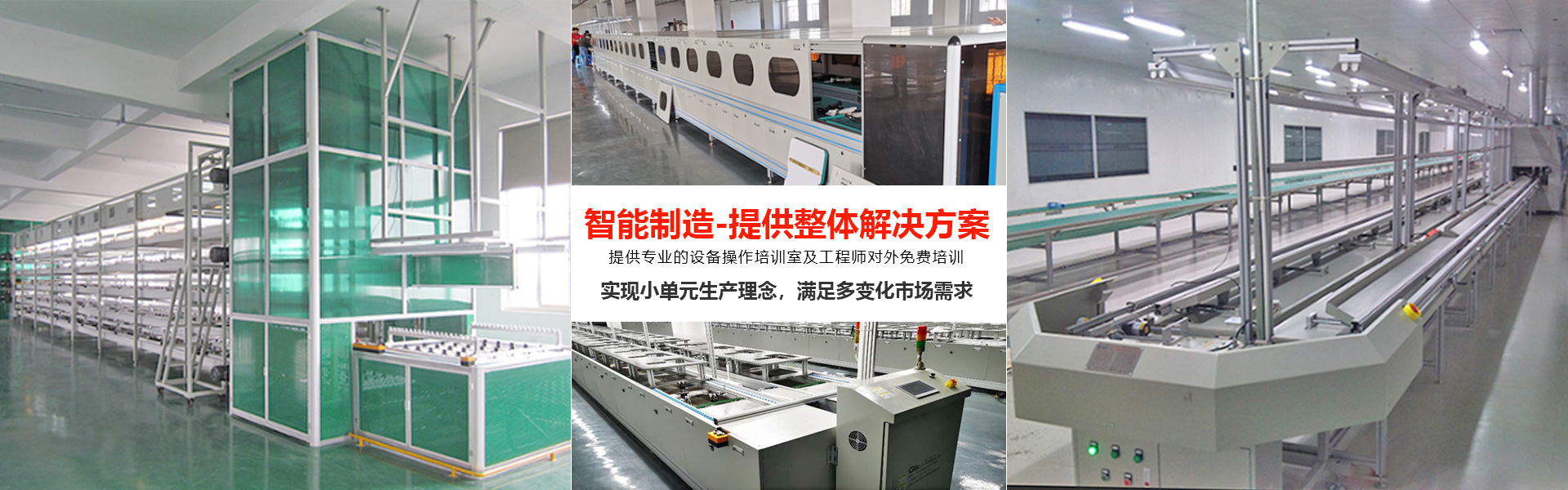
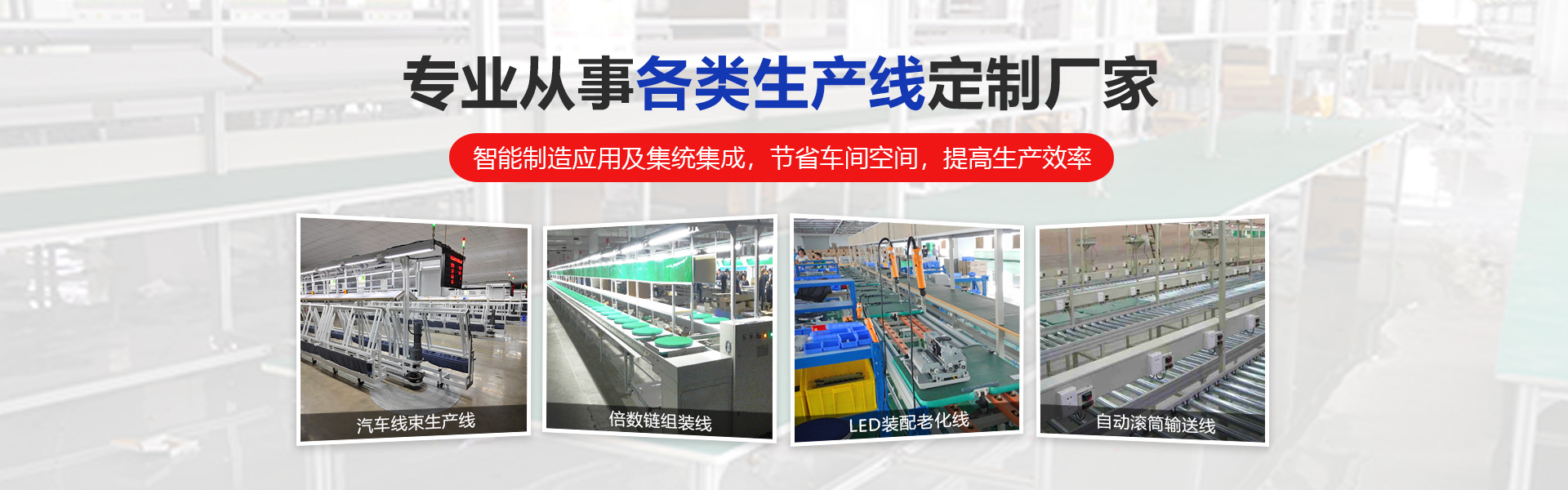


In our daily production, the use of the aluminum profile assembly line is indispensable. The assembly and testing of products are often completed in a continuous flow line format. It boasts advantages such as strong conveying capacity, long conveying distance, simple structure, and easy maintenance, which has won the favor of workshops in various factories. What are the characteristics of the assembly line? Below, our editor will give you a detailed explanation.
1. Designed with ergonomics in mind, the operation methods for staff of all sizes are ergonomically aligned, ensuring long-term use without fatigue. This is conducive to enhancing work efficiency.
2. High Efficiency: The assembly line operates with a consistent rhythm, repeating tasks one by one. It boasts high efficiency and a strong sense of rhythm, typically without allowing any continuity in the process.
3. Easy Retrofitting: The assembly lines used in the factory are not static and can be adjusted according to future usage needs. The aluminum extrusion-based conveyor lines are recyclable and reusable, facilitating future factory renovations.
4. Balance: Production capabilities across all processes on the assembly line are balanced and proportional. Bottlenecks are not permitted; production materials must arrive on time, in the required quantities, and as scheduled.
5. Unidirectional. The assembly line produces only one or a limited number of product series with similar technical configurations, with materials moving in only one direction.
6. Key Feature: For various auxiliary production processes, material distribution activities revolve around the assembly line. Raw materials and components are shipped from various radiation-proof distribution points as needed. Thus, the goods on the line are fluid, while the workers are relatively fixed, and the assembly line is there to serve.
7. Gender-specific features: Each process is arranged according to the product's process schedule, completing only one or a few tasks at a time.
8. Quick Features: The assembly line employs a modular assembly method, allowing the number of workers to be set according to process requirements. Each station is equipped with power outlets, process diagrams, lighting, etc., ensuring the entire process is quick and orderly.
No welding required; assemble directly with accessories for a shorter project timeline. No painting needed, resulting in low maintenance costs. Flexible customization to meet various production needs.
On the assembly line, each process is highly specialized, arranged in the order of the product's manufacturing process, and each process performs only one or a few types of work. The assembly line produces only one or a few series of products with similar technical configurations, and materials move in only one direction. Various auxiliary processes and material distribution activities revolve around the assembly line, with raw materials and components delivered from various areas in a radiation pattern to meet demand. The products on the line are in motion, while the workers are relatively stationary, making the assembly line the "service recipient."
