
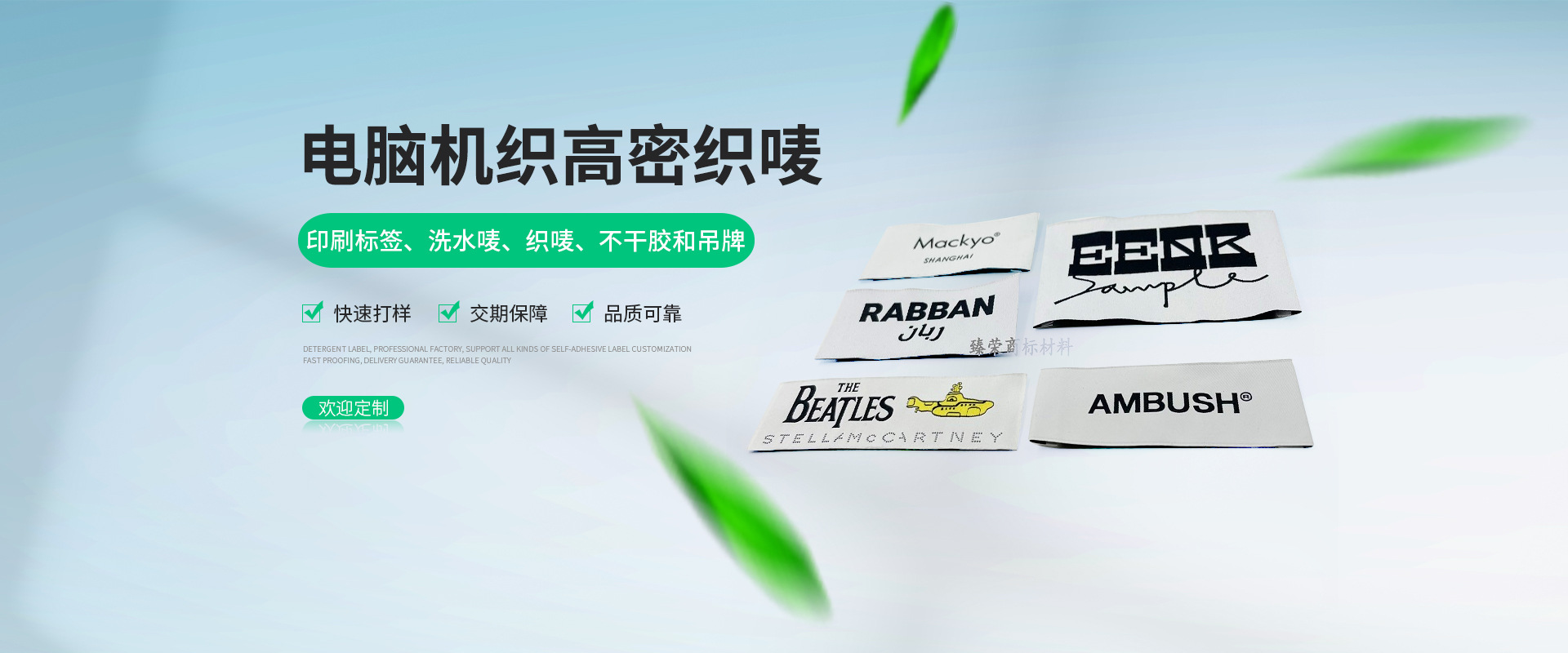


Garment labels are fixed attachments on clothing, serving as small materials to identify, explain, prompt, and carry various information. They are an indispensable part of our lives, whether it's the price tags we see while shopping or the laundry symbols we encounter during home washing. So, what are the uses of garment labels?
Brand Information Identification:
The crucial role of clothing labels is to display brand information, allowing consumers to quickly identify the brand name and logo. Alongside providing high-quality apparel products, the presence of brand labels further aids consumers in better recognizing and understanding the brand.
2. Provide product information:
Garment labels can also provide basic product information such as size, material, origin, and care instructions. Some brands even include more detailed information on their labels, such as production dates, shipping units, and authenticity verification.
3. Guiding Laundry
An important use of clothing labels is to provide washing instructions. Different fabric types and designs require various washing methods and precautions. Some labels specify specific washing procedures, temperatures, and dosages, aiding consumers in properly cleaning their garments.
4. Maintenance Guidance:
Clothing labels can also provide care instructions, such as avoiding contact with rough or sharp objects, and steering clear of exposure to direct sunlight, moisture, and oil stains, etc.
5. Guidance on Returns and Exchanges
Some clothing brands also note their return and exchange policies or requirements on labels, such as the condition of retaining the tags for a return to be processed.
6. Promote Environmental Awareness
In the era of big environmental protection, many brands promote environmental awareness on clothing labels. Some labels specify that they are made from eco-friendly materials or have a minimal impact on the environment.
In summary, clothing labels play a crucial role in various aspects such as consumer purchase, use, maintenance, and return/exchange. Well-designed labels with detailed information not only enhance the buying experience and trust of consumers but also boost the brand's market competitiveness.
