

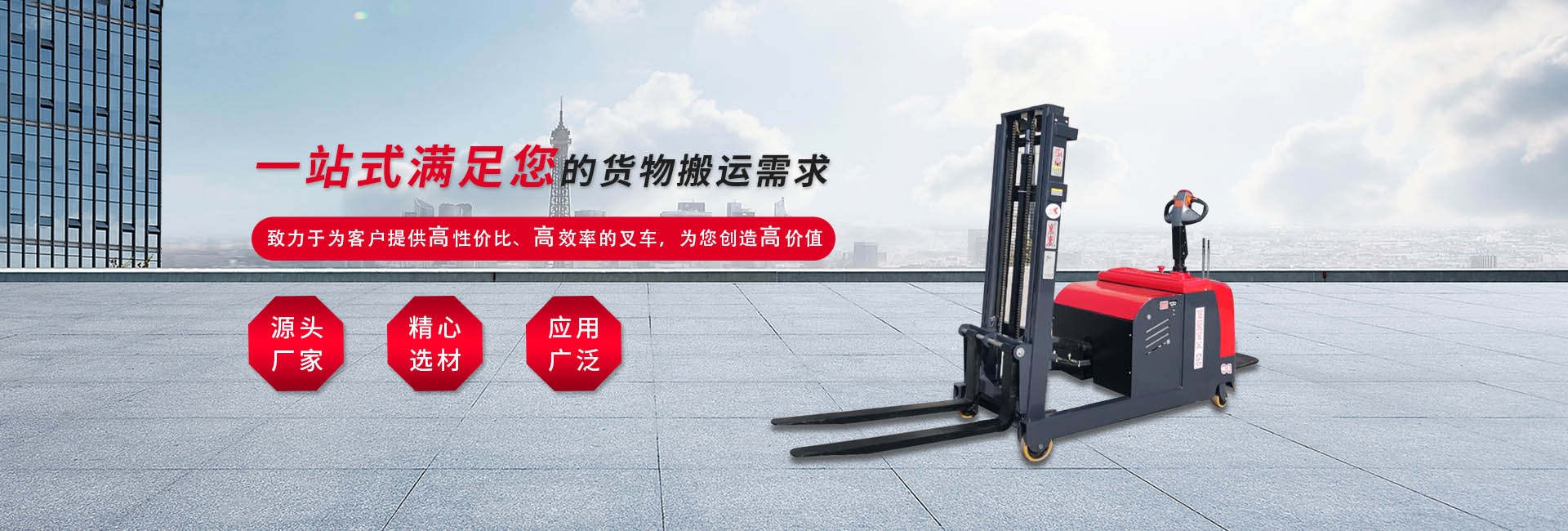
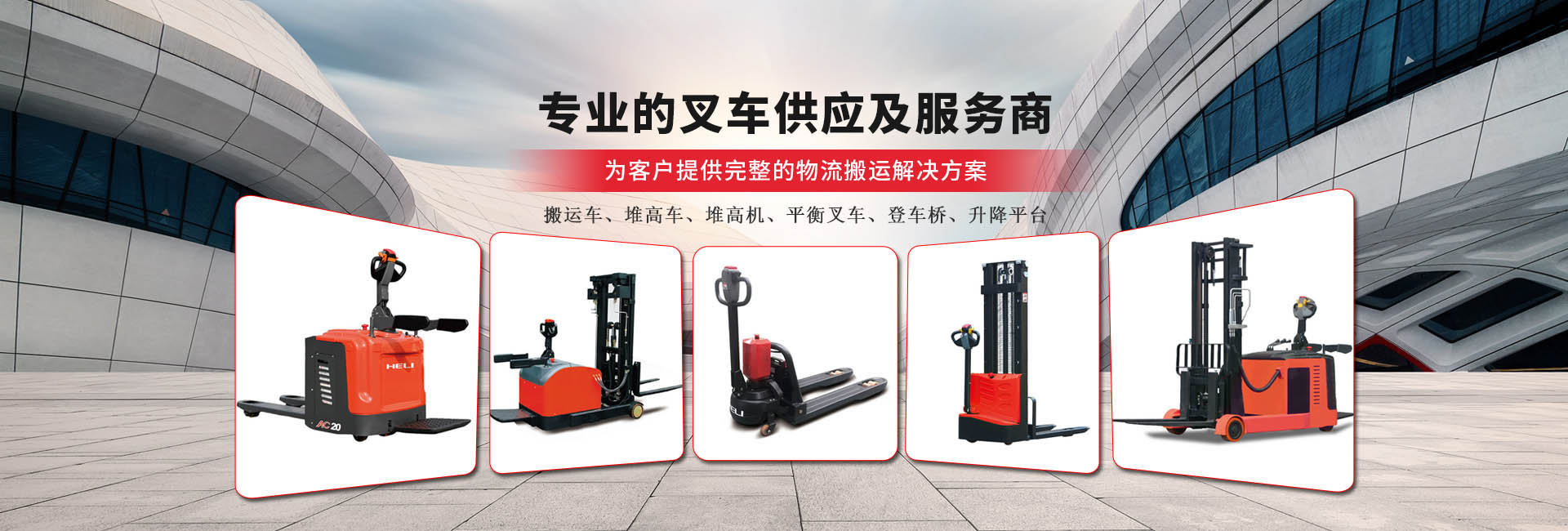

Electric forklifts are powered by electricity, primarily using batteries. Batteries are a type of power source that stores limited electrical energy for use in the right place. Their working principle is to convert chemical energy into electrical energy. The batteries within electric forklifts are of this type.
Maintenance Costs:
Maintenance cycles: The maintenance cycle for electric forklifts is two to three times longer than that of internal combustion forklifts. Typically, the maintenance cycle for internal combustion forklifts is 500 working hours, while many electric forklifts can already reach a maintenance cycle of over 1,000 hours.
Maintenance and service content: Electric forklift maintenance is much simpler than that of internal combustion forklifts. Typically, it only requires lubricating moving parts such as the mast bearing, steering bridge, and others, with a focus on checking and cleaning. Generally, hydraulic oil, gear oil, and hydraulic oil filters are replaced every 2,000 or 3,000 hours, with a limited number of other materials needed. In contrast, internal combustion forklifts, in addition to lubrication, generally require engine oil and oil filter changes every 500 hours, and hydraulic oil, engine oil, transmission oil, and these oil filters every 1,000 hours. Belts also need to be replaced.
The time required for maintenance and service is significantly reduced due to the longer maintenance intervals of electric forklifts compared to internal combustion forklifts, and each service session takes much less time. This greatly saves on labor costs associated with maintenance. More fundamentally, the downtime of the forklifts is greatly shortened, resulting in an unquantifiable economic benefit from the increased efficiency of the forklifts.
