



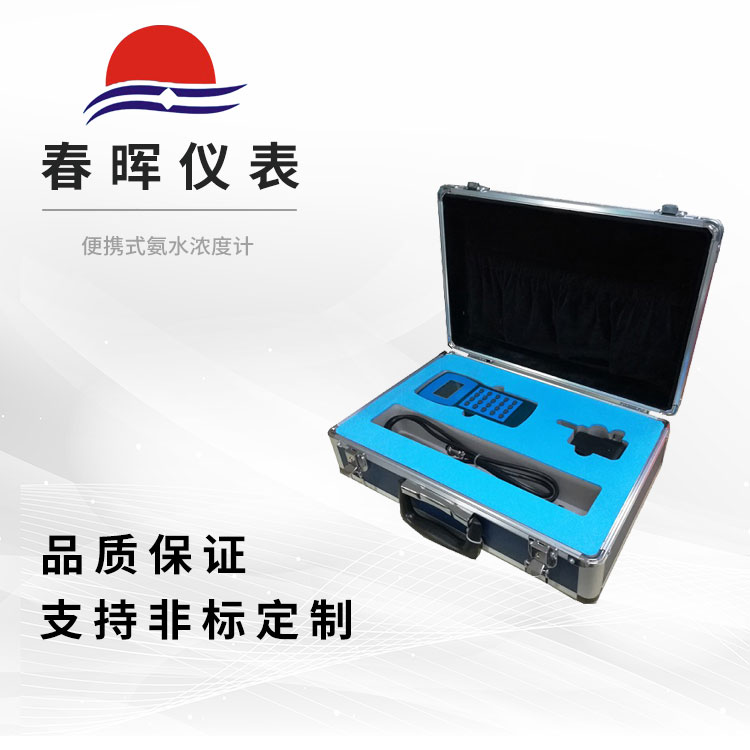

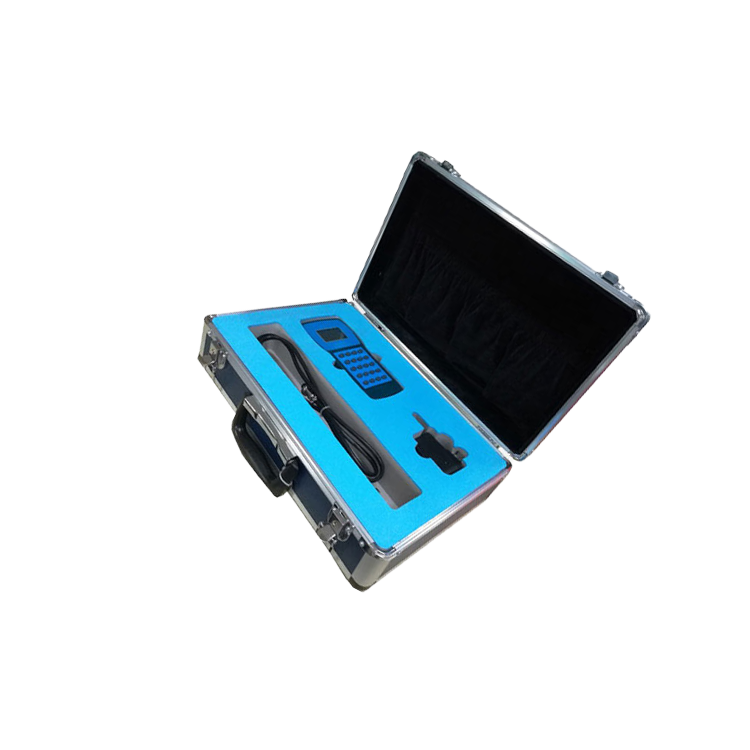
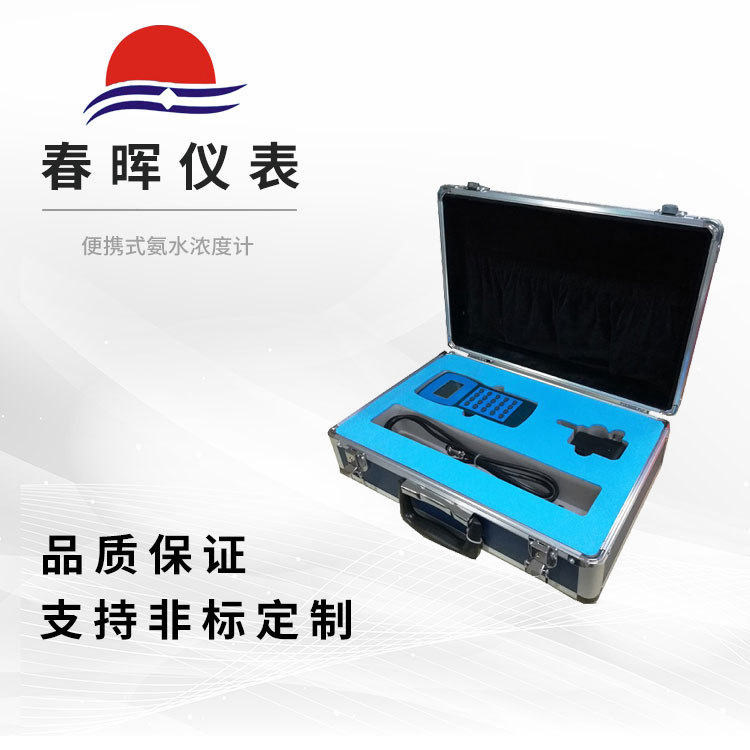
Ammonia Water Concentration Meters are primarily used for the rapid detection of the concentration of various ammonia water solution products, conveniently assisting a wide range of end-users in verifying the compliance of ammonia water solution products. The portable ammonia water concentration meter is a product designed to measure the concentration of ammonia water in desulfurization and denitrification units. The new design integrates simple professional analytical functions to ensure the best possible test results. The series of sensors can accommodate various different applications, with the SmartTest series typically capable of directly testing the concentrations of liquids, slurries, and suspensions.
Technical Features of Portable Ammonia Water Concentration Meter:
1. Simply insert the sensor into the sample, turn on the power switch, and the test value will be displayed on the LCD screen in 2-5 seconds.
2. Allow the establishment of 8 calibration tables to accommodate testing for 8 different samples.
3. Instantaneous test values can be
4. Stores test values; each calibration table features 24 data record functions
5. Read, average, and delete records; printer configuration for test record printing available.
6. The instrument features an backlight, which can be turned on for illumination in dark environments.
The portable ammonia concentration tester is equipped with 8 software calibration tables. Users can create up to 8 calibration tables for different substances according to their needs, for concentration analysis of these 8 substances. Each calibration table comes with 24 data storage units. Test values can be stored on-site. Back in the office, records can be sequentially printed using a printer.
Handheld ammonia concentration tester application
This instrument is widely applicable for rapid concentration testing in stable environments such as cement plants, oil fields, chemical and petrochemical industries, water coal slurry, building materials, food processing, and papermaking industries, involving liquid process testing and finished product acceptance. Compared to traditional laboratory methods, it offers portability, speed, no need for pen and paper records, built-in printer, and communication capabilities with computers.
