
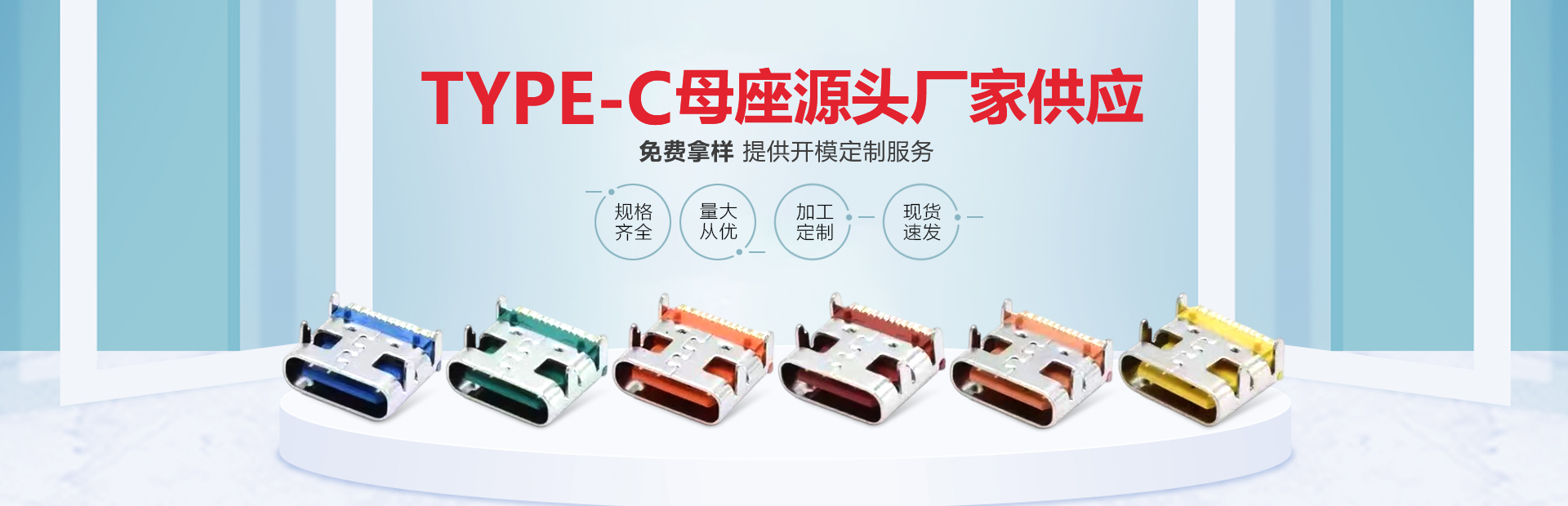

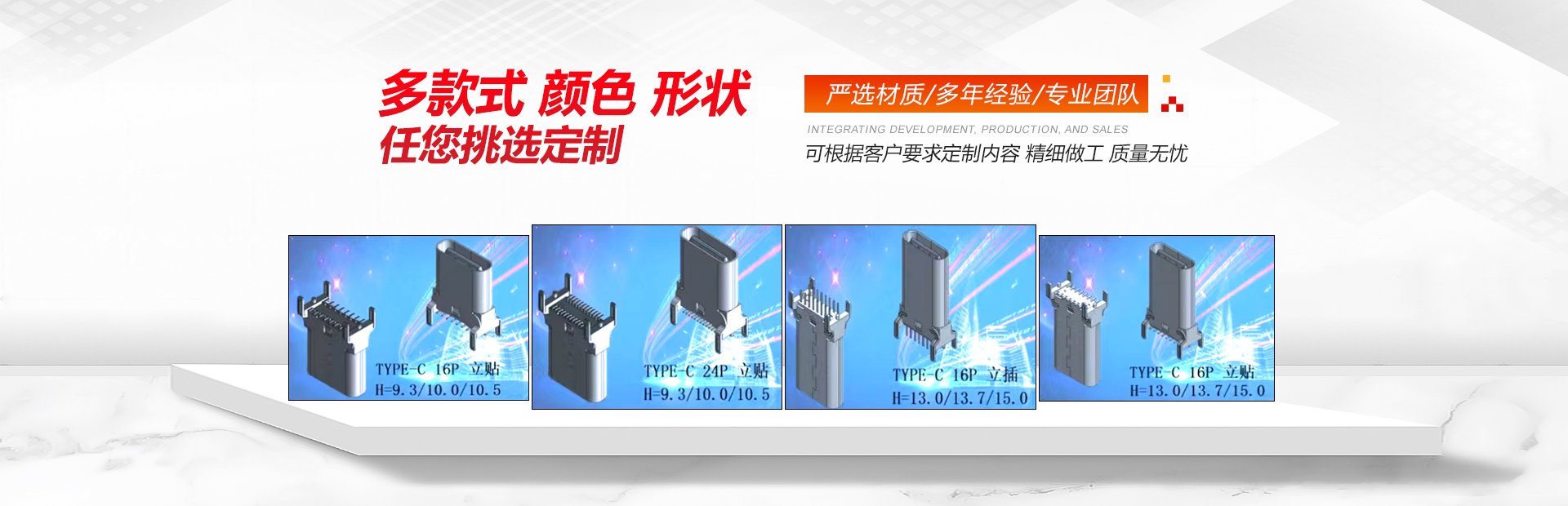

In the electronics and mechanical manufacturing industries, connectors like USBs or fasteners are typically designed with male and female ends. Simply put, the female end's function is to receive or accept the male end. A protrusion or a segment that can be inserted into another component is called the male end. Conversely, the receiving end or the one with a depression is called the female end. Therefore, the terms "male" and "female" have been consistently used. The USB male end is the plug, while the USB female end is the socket of the power outlet.
Sometimes, especially with electronic power connectors like USB male and female connectors, they are clearly defined by some rigid regulations. This is primarily to better emphasize unidirectional flow (for example, electrical current flowing from one machine to another). At this moment, the function of USB male and female connectors is to enhance safety or ensure the normal operation of equipment, preventing the occurrence of unsafe elements or improper connections. For example, most switch power supply plug types.
In the fundamental theory of mathematical graphics, the power grid router plug (male) and power outlet (female) are composed, with the power outlet flowing into the plug in a fixed position. When matched to the USB connector level, the flow is from the female to the male end. Therefore, the female power plug is designed for better safety considerations.
