
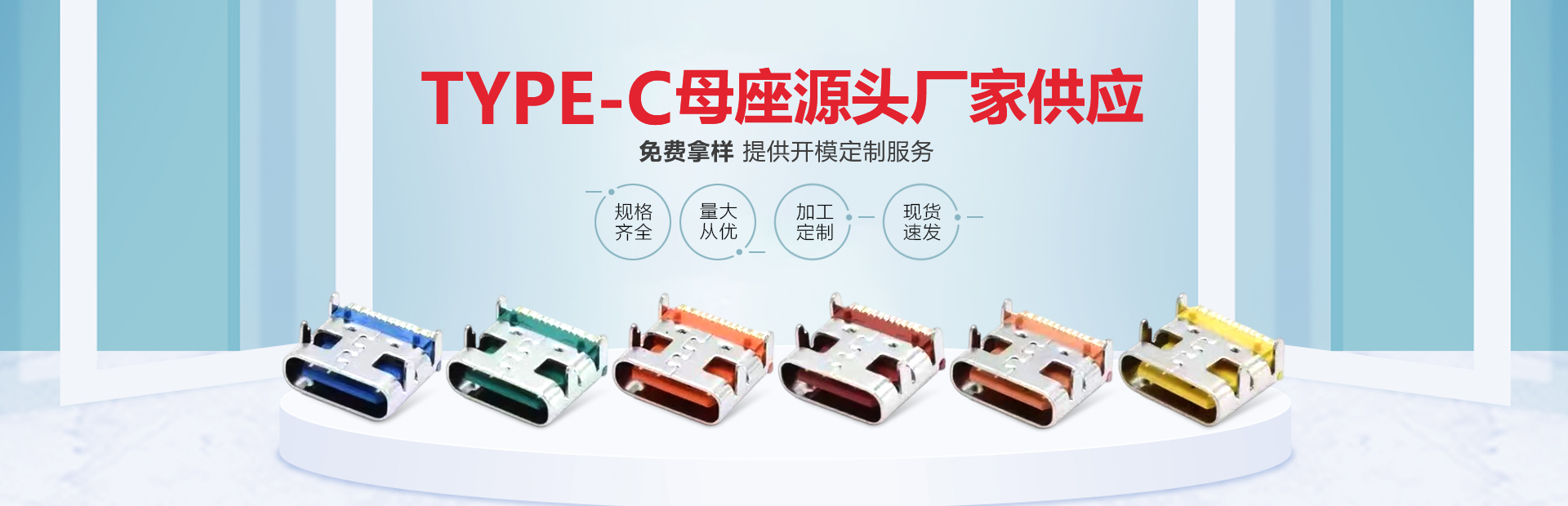

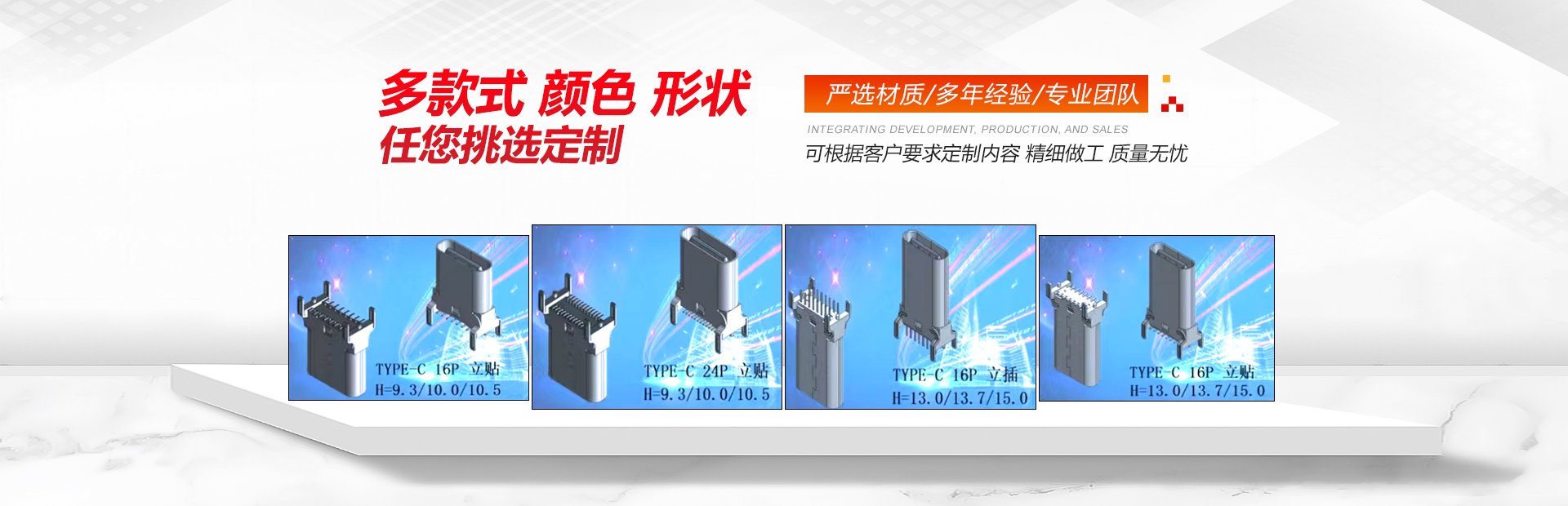

When using a waterproof Type-C connector, proper usage and storage are essential to avoid unnecessary troubles.
Upon receiving the waterproof Type-C connector, inspect the product packaging for any visible damage, then check the connector itself for any signs of damage to ensure the waterproof Type-C connector is intact and undamaged, to prevent any issues with machine connectivity.
When not using a waterproof Type-C connector, do not place it carelessly, especially not under direct sunlight. Avoid forgetting its location due to negligence. Excessive exposure to sunlight can damage the quality, affect its use, and even lead to safety hazards. Therefore, remember the storage location of the waterproof Type-C connector to prevent accidents caused by carelessness.
If the placement is too high, it's impossible to fit a waterproof Type-C socket. Prolonged high temperatures or humidity can damage the waterproof Type-C socket. Especially in a chemical environment, the connector can be corroded, causing the external metal protective layer to lose its protective function, leading to internal current circuit damage and rendering it unable to conduct electricity normally, turning it into a pile of trash.
Don't panic when moving a waterproof Type-C socket. Be cautious to avoid the socket touching any hard objects, which could damage the connector. Avoid placing it under heavy items to prevent crushing the socket.
Water-resistant Type-C sockets face another enemy: grease objects. During storage or use, if they come into contact with greasy substances, the connectors lose their original functionality, becoming a hindrance to our work.
