

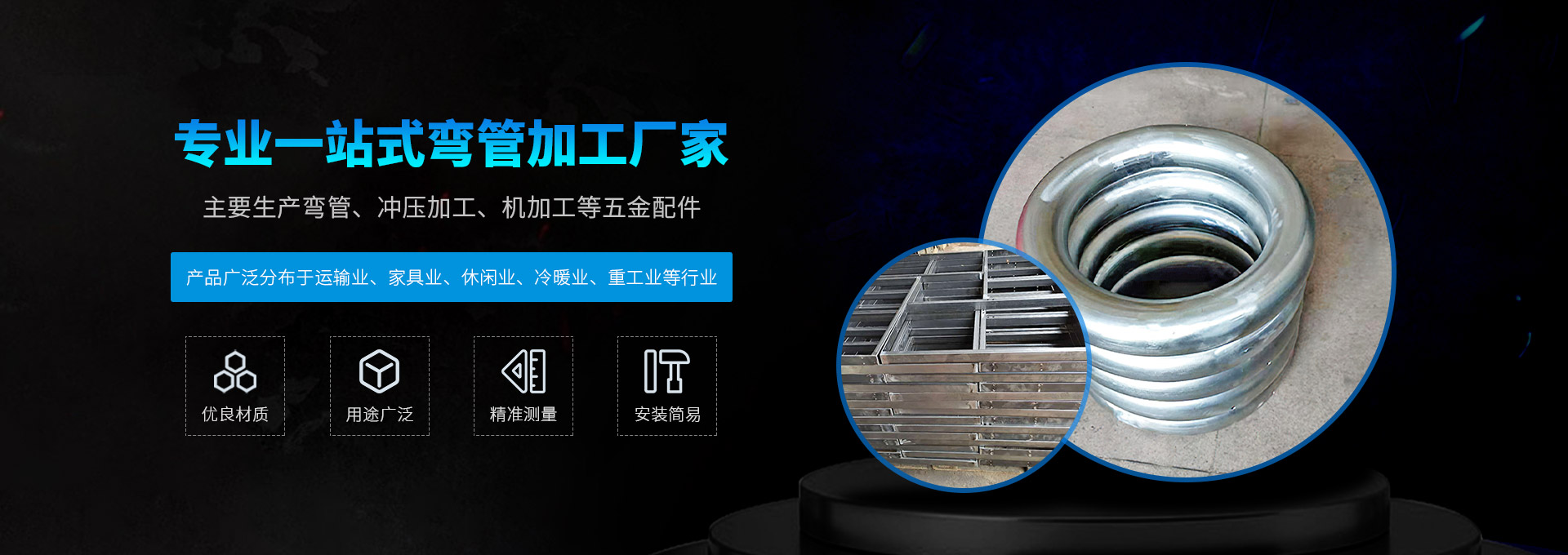
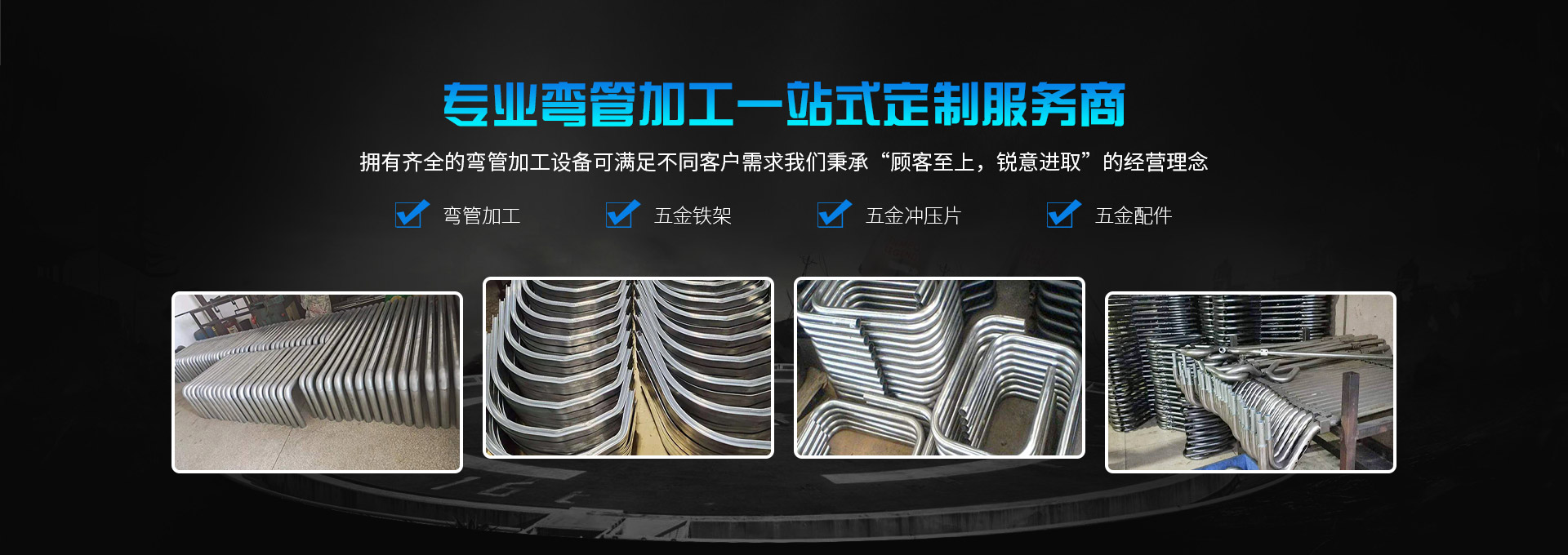

Bend pipes and elbows are pipeline accessories used to change the direction of pipes, and elbows are used more frequently than bend pipes in various engineering projects. Bend pipes are tubes that are appropriately bent to fit the application and are typically manufactured to specific requirements. Compared to elbows, bend pipes are generally longer, with an R-radius greater than twice the diameter indicating a bend pipe, while an R-radius between 1 and 2 times the diameter is considered an elbow.
During the bending process, cold bending can be used with pipes, directly shaped into the desired form using a bending machine, allowing for the production of bent pipes in one go, without the need for secondary anti-corrosion treatment. However, elbows must be custom-made by the manufacturer, requiring anti-corrosion treatment and a longer lead time for ordering; the price of bent pipes is slightly lower than that of elbows.
When the ovality or wrinkle unevenness of the bent pipe exceeds the standard requirements, it must be scrapped and re-bent. During the bending process of petrochemical pipeline pipes using heating methods, to reduce the deformation of the round tube section, heated and dried river sand must be poured into the pipe, and the pipe walls should be knocked as the sand is being poured to ensure that the dry sand is fully filled and compacted.
Heating temperatures for bent pipe sections must be controlled within a specific range; both too high and too low can affect the quality of the bent pipe. When using cold bending to form bent pipes, the choice of mold is crucial. For bending pipes with thinner walls, to prevent deformation of the cross-section, sand should be poured into the pipe and compacted, then an appropriate mold should be selected for bending.
Industrial pipelines with nominal diameters of 200mm or less should preferably use bent pipes made by bending. In cases where bending pipes cannot be used, welded bent pipes can be employed. For HDPE plastic pipes used as supply and drainage pipelines, injection-molded sharp bend elbows can be utilized. For rolled and seamless pipes with nominal diameters greater than 200mm, welded bent pipes are commonly used.
