

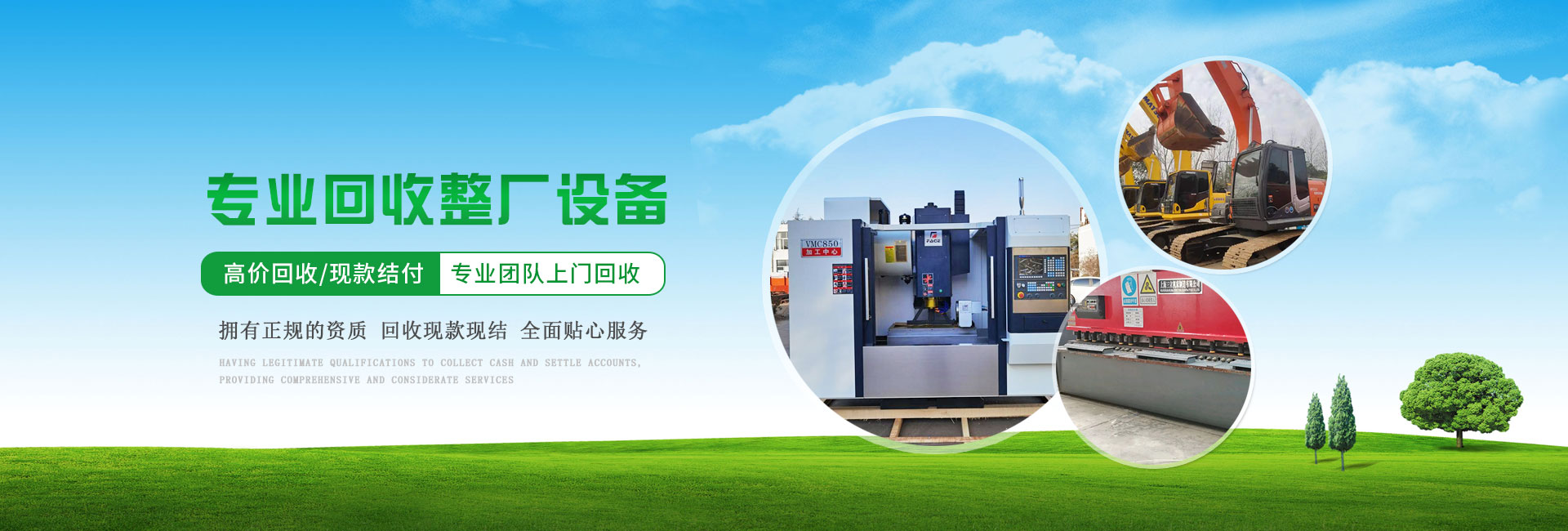
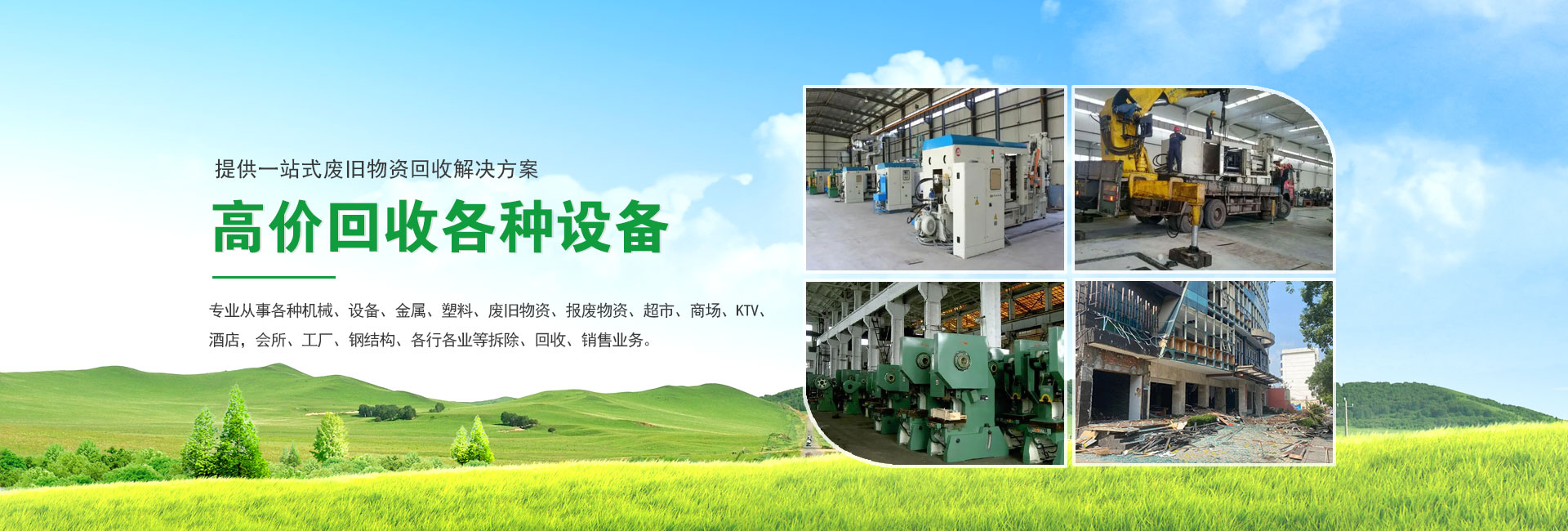

A wide variety of machinery and equipment are involved in modern industrial production. Currently, the recycling of engineering machinery and equipment mainly covers the following categories:
Agricultural Machinery Recycling: Tractors, seeders, harvesting equipment, etc.
2. Heavy-duty mining equipment recycling: metallurgical machinery, mining equipment, lifting equipment, loading and unloading equipment, industrial vehicles, cement equipment, kiln equipment recycling, etc.
3. Engineering Equipment Recycling: Excavators, forklifts, concrete machinery, compaction equipment, etc.
4.石化通用机械设备 Recycling: Oil drilling and extraction equipment, refining machinery, chemical equipment, pumps, fans, valves, gas compressors, refrigeration and air conditioning equipment, papermaking machinery, printing machinery, plastic processing machinery.
5. Electrical Equipment Recycling: Electric motors, generating machinery, wires and cables, transformers, batteries, high and low voltage switches, welding machines, household appliances, etc.
6. Machining Equipment: Metal cutting machines, forging machinery, casting equipment, woodworking machinery, etc.
7. Instrument and Equipment Recycling: Automation Instruments, Electrical Measuring Instruments, Optical Instruments, Composition Analyzers, Automotive Instrumentation, Electrical Materials Equipment, Audio-Visual Equipment, Cameras, etc.
8. Basic Machinery and Equipment Recycling: Bearings, seals, hydraulic components, gears, powder metallurgy products, industrial chains, standard fasteners, molds, etc.
Packaging Machinery Recycling: Packaging machines, case packers, conveyors, etc.
10. Environmental Protection Equipment Recycling: Water Pollution Control Equipment Recycling, Air Pollution Control Equipment Recycling, Solid Waste Treatment Equipment, etc.
For scrap metal recycling agencies, the equipment they typically purchase in larger quantities includes generators, transformers, boilers, machine tools, die-casting machines, and other outdated equipment from factories.
How are these construction machinery and equipment handled after recycling?
Firstly, the recycling of second-hand machinery equipment can be integrated with merchants to form a combined entity. From a perspective of small-scale and broadened recycling, it can establish a relatively stable supply and demand relationship with downstream consumer enterprises, which is more conducive to the industrial operation of recycled resources. At the same time, it is possible to gradually explore and develop secondary processing and reuse of waste machinery and equipment, further realizing on-site resource utilization, and thereby significantly enhancing the application of scrap materials, achieving resource recycling.
Secondly, the recycling of second-hand machinery equipment has turned waste into treasure. Through categorized collection and recycling, it is transformed back into a resource, which can reduce some pollution and benefit environmental protection. Recycling conserves resources, lessens the exploitation of energy materials, and alleviates the shortage of energy and material supplies.
