

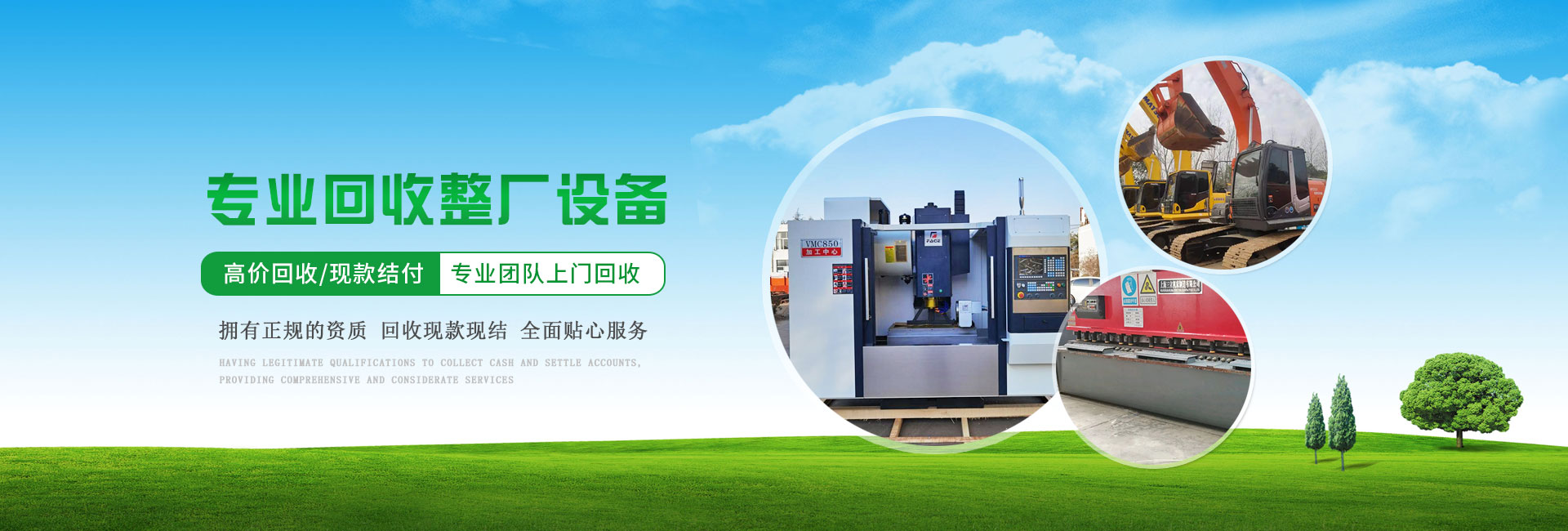
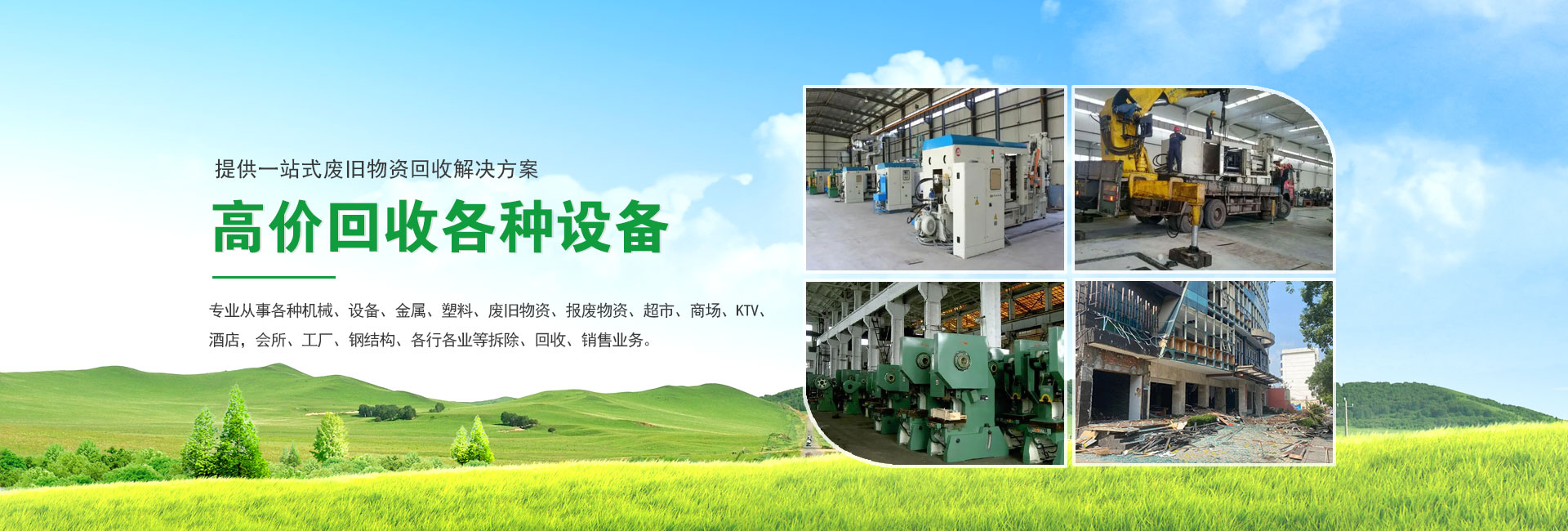

We all know there are numerous resource recycling factories out there, primarily engaged in operations such as scrap iron and scrap copper recycling. Their main objective is to achieve a sustainable resource reproduction strategy. Since metals, like many other resources, are reusable, this is why the scrap iron recycling business exists.
Metal waste from scrap iron is fed into a magnetic separator, where the magnetic particles are magnetized under the effect of an uneven magnetic field. They are then attracted by the magnetic field force, drawn into the cylinder, and discharged at the discharge end as the cylinder moves. Non-magnetic particles, due to the weak magnetic field effect, remain in the waste. The magnetic sources used in magnetic separation are generally electromagnets or permanent magnets.
2. Waste iron recycling and cleaning involves the use of various chemical solvents or hot surfactants to remove oil, rust, mud, and sand from the surface of steel components. Commonly used for the treatment of engines, bearings, gears, and other parts contaminated with cutting oil, grease, dirt, or other adhered substances.
3. Scrap metal recycling often contains oil and grease contaminants, which, if not immediately vaporized, can pollute the molten metal. Stored outdoors, scrap metal becomes damp, and the moisture mixed with oil and grease can also contaminate the molten metal.
