

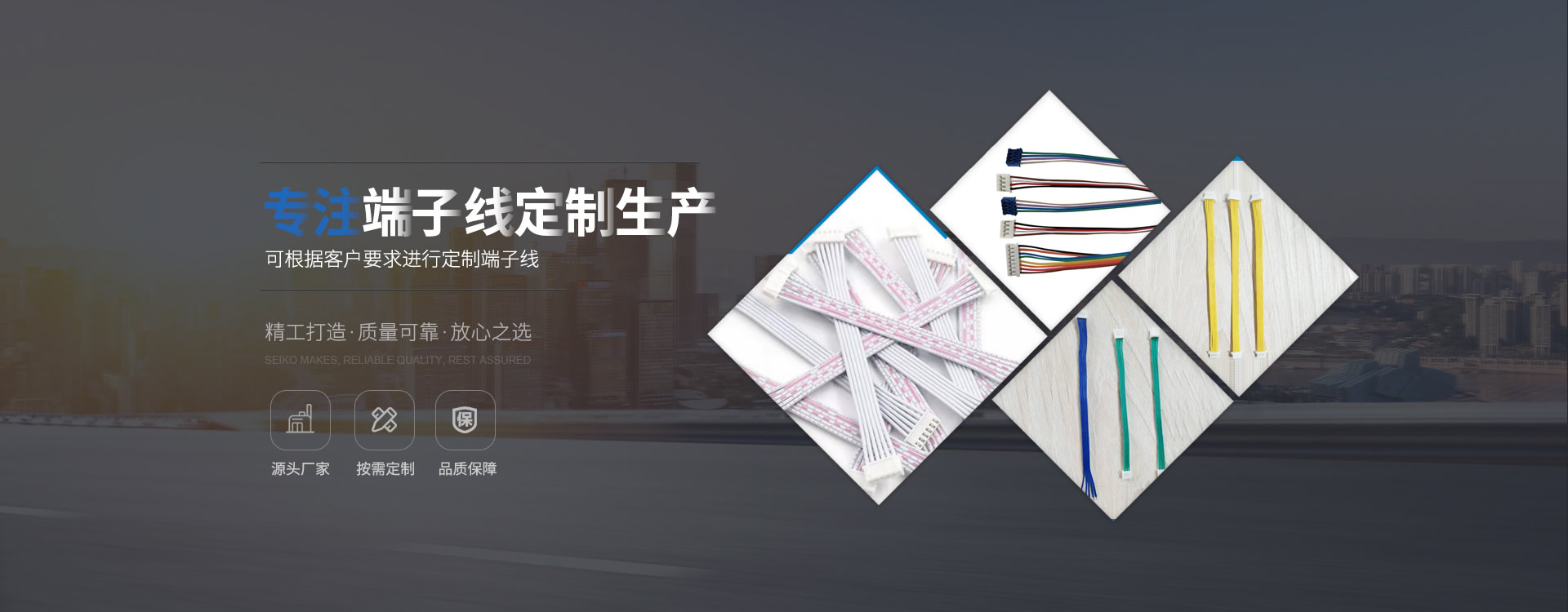
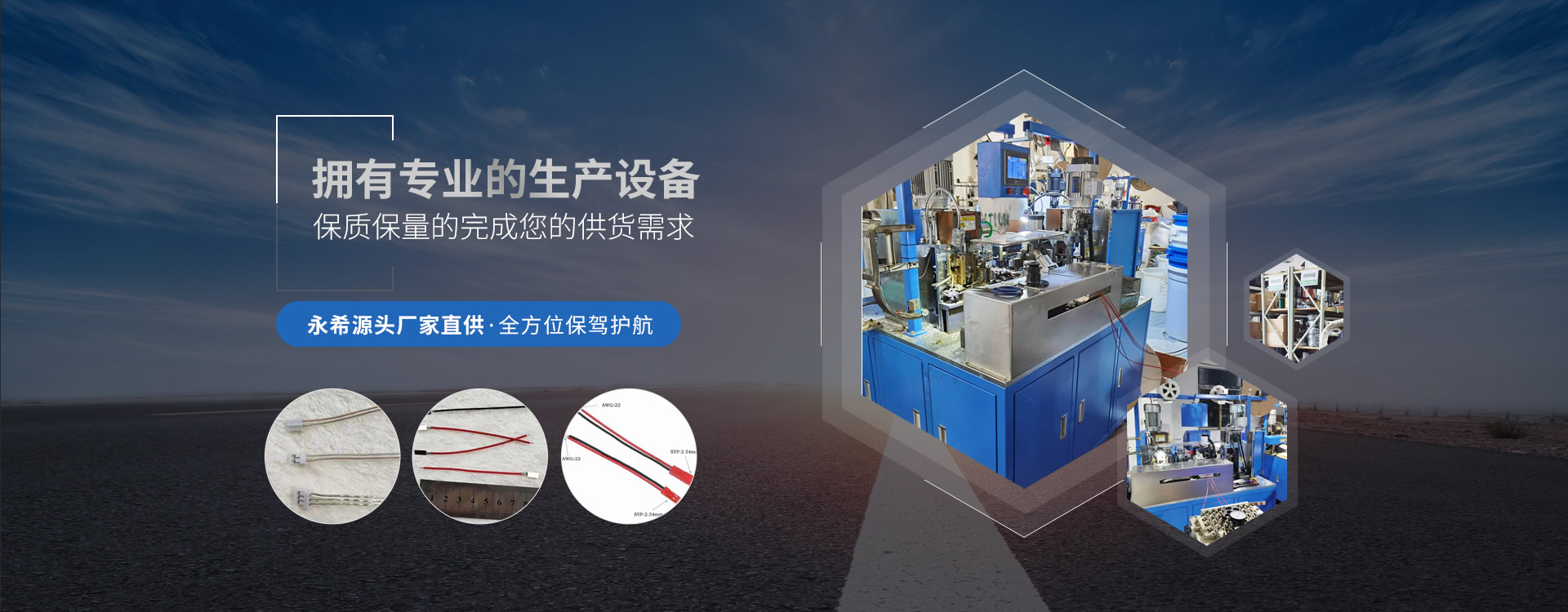

If you frequently purchase electronic wire harness products, it's essential to understand how to distinguish between good and faulty wire harnesses. After all, the quality of the harness documentation directly impacts the quality of the harness products. Therefore, the selection of harness documentation is directly linked to product quality and lifespan. So, when choosing wire harness products, avoid the temptation to go for the cheapest option. How do you differentiate between good and bad harness quality?
1. Selection of Wire Harness Wires: Choose the appropriate wire materials based on the varying usage environments.
2. Selection of Insulating Sheath Materials: Common materials for sheath (plastic parts) include PA6, PA66, ABS, PBT, and PP. Depending on the actual situation, flame-retardant or reinforcing materials can be added to the plastic to achieve the purpose of enhancing or flame-retardancy, such as adding glass fiber reinforcement.
3. Terminal Connector Material Selection: The copper used for terminal materials (copper components) is primarily brass and bronze (brass has slightly lower hardness than bronze), with brass accounting for a larger proportion. Additionally, different coatings can be chosen based on varying requirements.
4. Selection of Wrapping Materials: The cable wrapping serves the purpose of abrasion resistance, flame retardancy, corrosion prevention, interference reduction, noise reduction, and aesthetic improvement. Generally, the choice of wrapping materials is based on the working environment and the size of the space. Common wrapping materials include tape, corrugated tubes, and PVC pipes.
The above content provides an introduction on how to distinguish the quality of wiring harnesses. The quality of wiring harnesses directly impacts the quality and lifespan of the product. Wiring harnesses are generally composed of conductors, insulation sheathes, terminal connectors, and wrapping materials. By understanding this information, you will easily be able to differentiate between good and bad wiring harnesses.
