
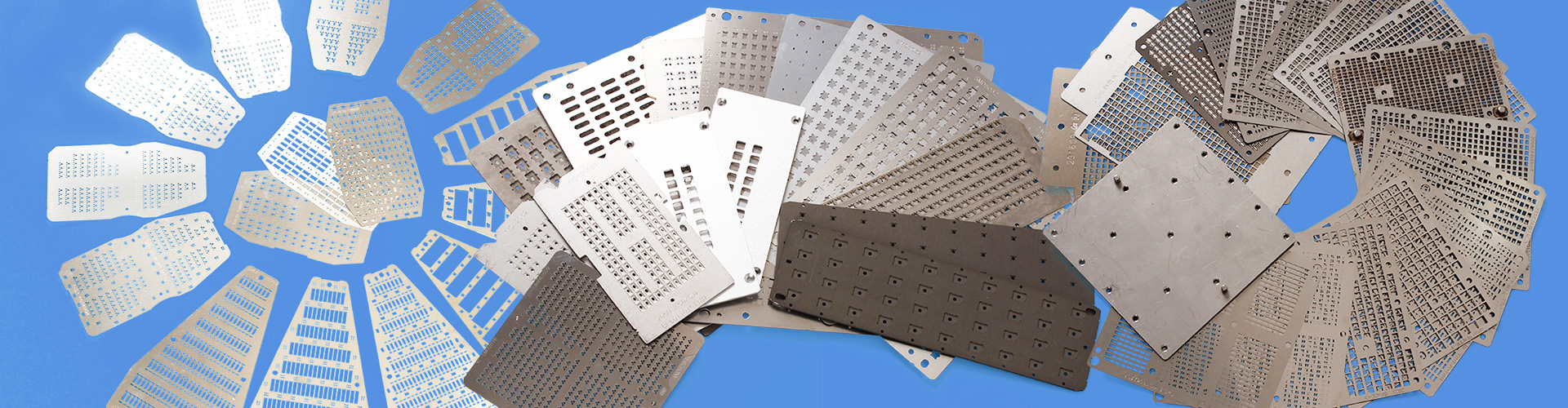
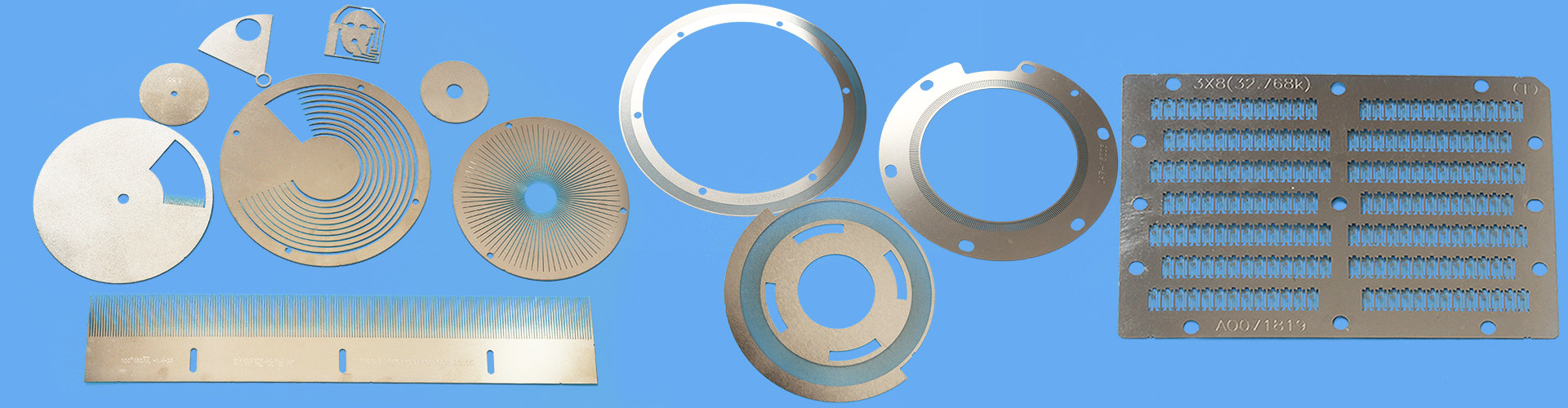
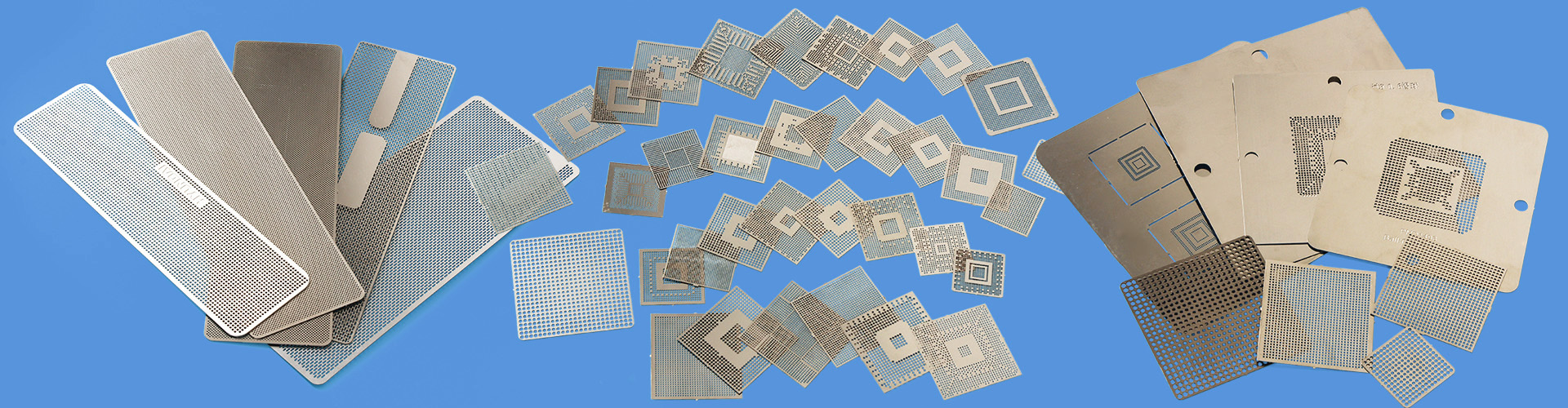

Exposure involves transferring the required etching patterns onto two identical film positives using a photolithography method, or onto two identical glass positives using a photolithography method. Next, align the positives either manually or with machinery. Place a steel sheet coated with sensitized ink or with a sensitized dry film in the middle of the positives, then apply suction for exposure.
When underexposed, due to incomplete monomer aggregation, the film swells and softens during the development process, resulting in unclear lines and dull colors, and may even delaminate, making it prone to lifting, leakage, and peeling during etching. Overexposure leads to difficulties in development,脆 film, and residual adhesive issues. Exposure can cause deviations in image line width, with excessive exposure making graphic lines finer and product lines thicker. Therefore, exposure is a crucial step in the entire process, directly affecting the quality of etching.
