
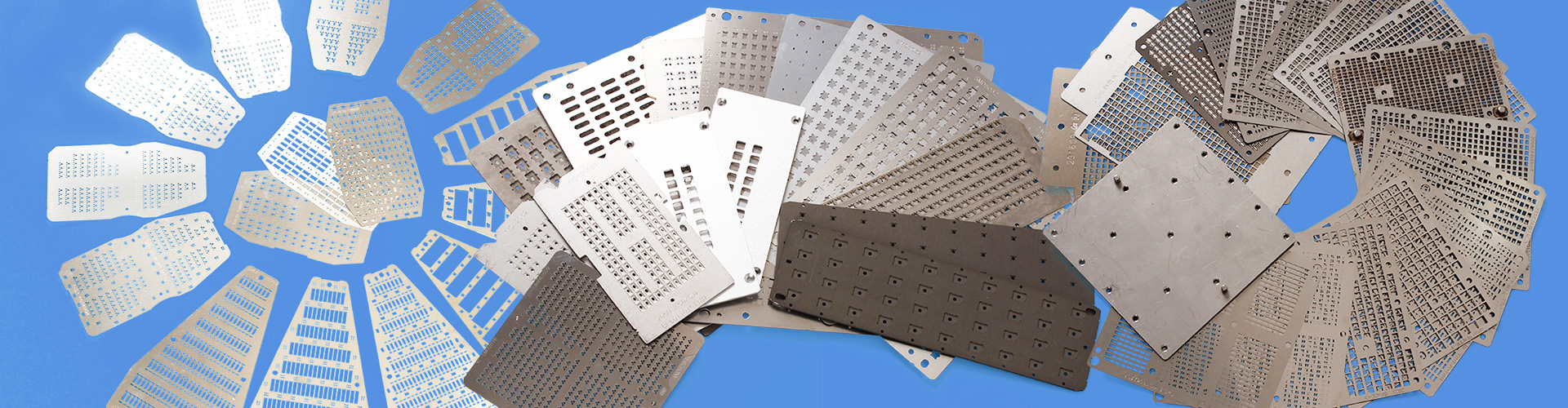
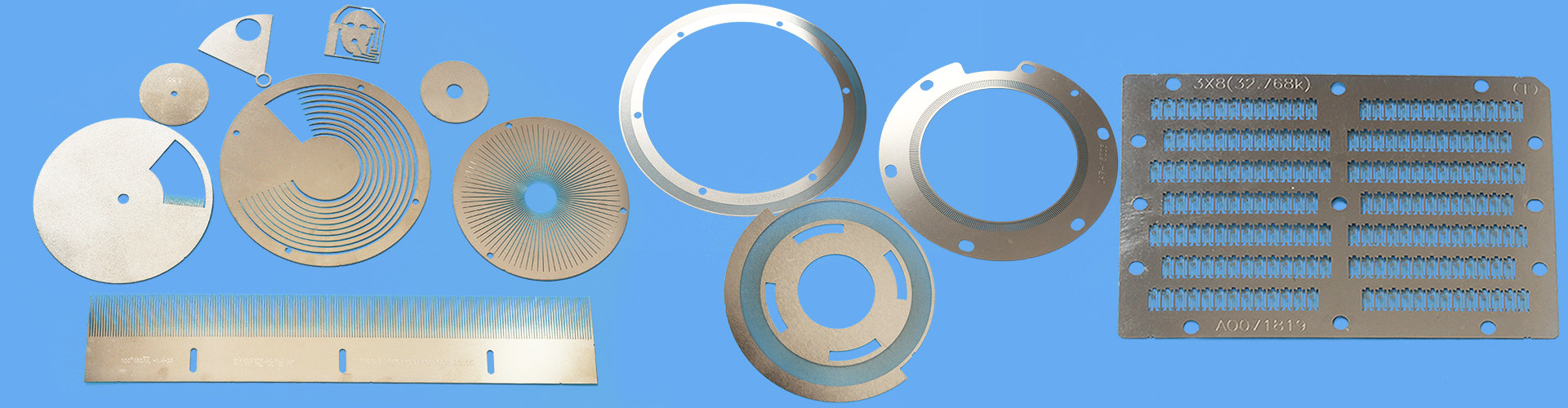
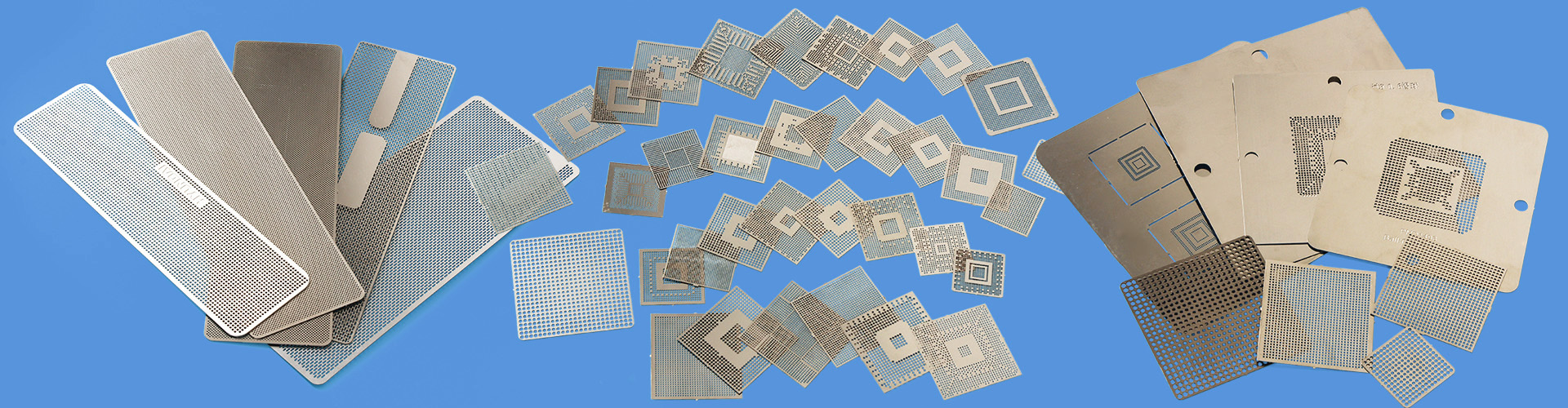

During the etching process, various factors can lead to the delamination of anti-etch coatings. Common causes are present across different metal etching processes. We have identified the reasons for this delamination and developed preventive and troubleshooting methods.
What are the causes of anti-etch layer delamination during the etching process? The main reasons for anti-etch layer delamination during the etching production process include:
Metal surface cleaning and degreasing not thorough.
2. The etch-resistant layer was not baked at the appropriate temperature or for an adequate amount of time.
3. Anti-etching layer material has exceeded its shelf life.
4. The concentration of the etching solution is too high.
5. The etching solution's temperature is too high.
To address the issue of anti-etching layer detachment during the etching process, the following preventive and troubleshooting methods have been identified:
Enhance the cleaning of metal surfaces and confirm the cleanliness of the metal surface before applying the anti-corrosion coating layer.
2. Bake strictly according to various metal processing requirements.
3. Switch to qualified anti-etching layer materials.
4. Lower the etching solution concentration according to the characteristics of the metal materials processed by etching.
Lower the temperature to the specified range for etching metal processing.
