
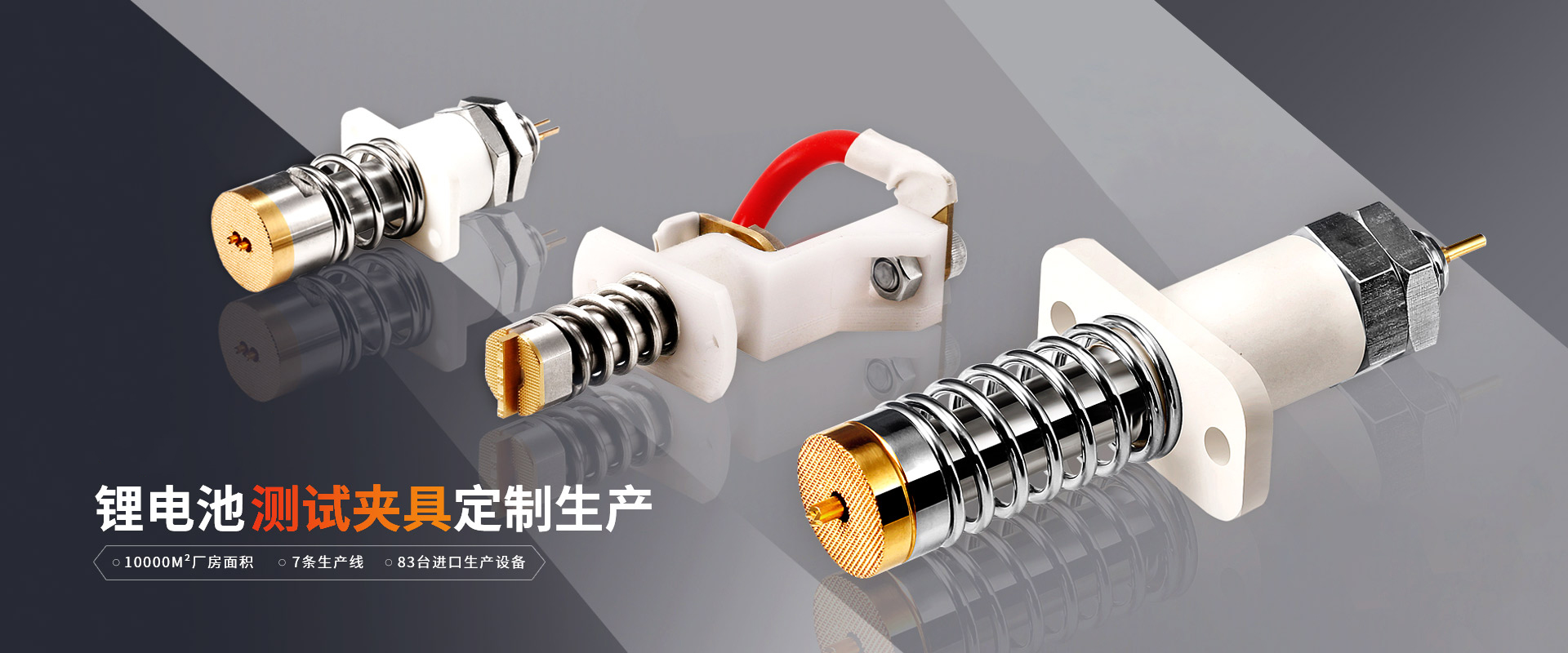
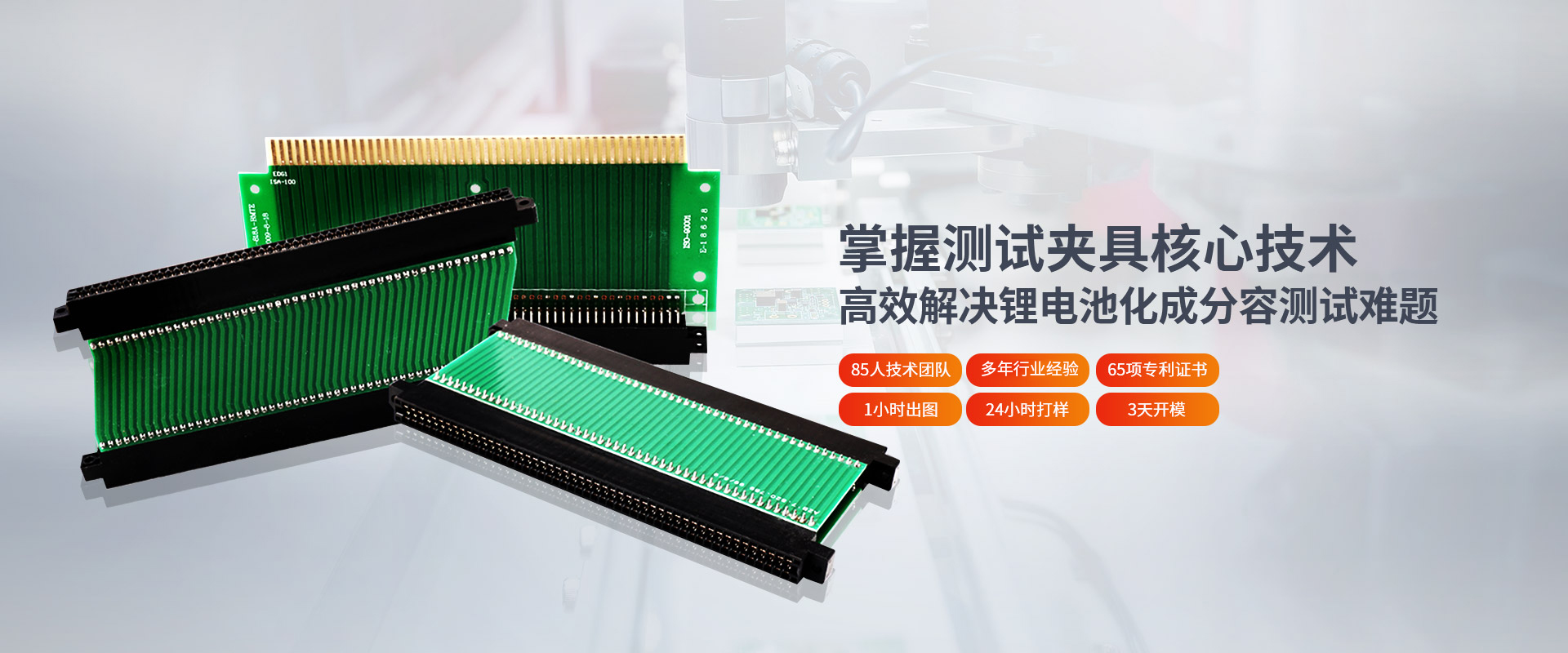
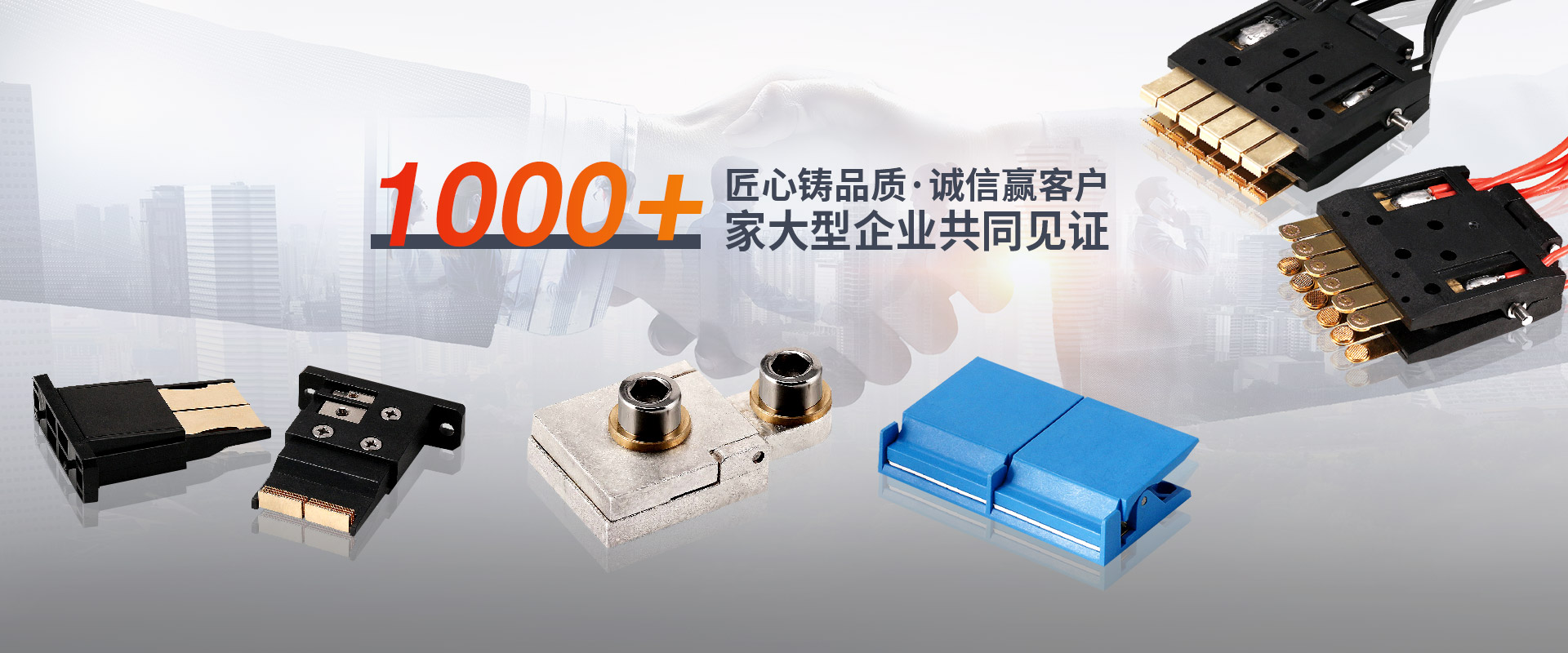

A test fixture is a tooling that performs functional testing. So, what does it rely on for the testing operation?
The functional testing of the testing fixture is based on different control modes. It can be categorized into manual control functional testing, semi-automatic control functional testing, and fully automatic control functional testing. Early functional tests were primarily conducted through traditional manual and semi-automatic methods.
Even now, for some simple functional tests of tested boards, considering simplified designs and reduced manufacturing costs, some companies still opt for manual or semi-automatic fixture testing solutions. With the advancement of technology, to save production costs, the majority of functional test fixtures today are utilizing fully automated methods.
Another more common classification is based on the type of controller used for functional testing. In functional testing, control methods such as ICT control and embedded ICT control are commonly used, with ICT control being considered a simple form of embedded control.
The characteristics of ICT and test fixture embedded control mode include: fast test execution speed; simple and direct test operations; special dedicated circuits and programs are required for display and data output; strong target-orientation of the test scheme; and easy modification of test software.
