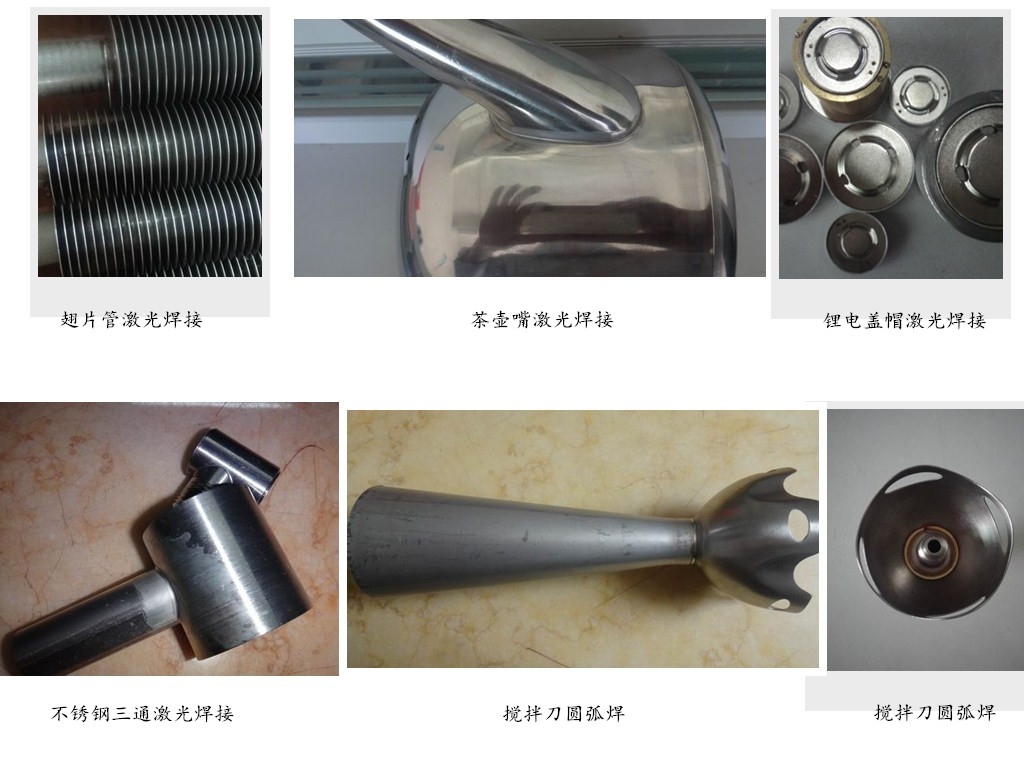



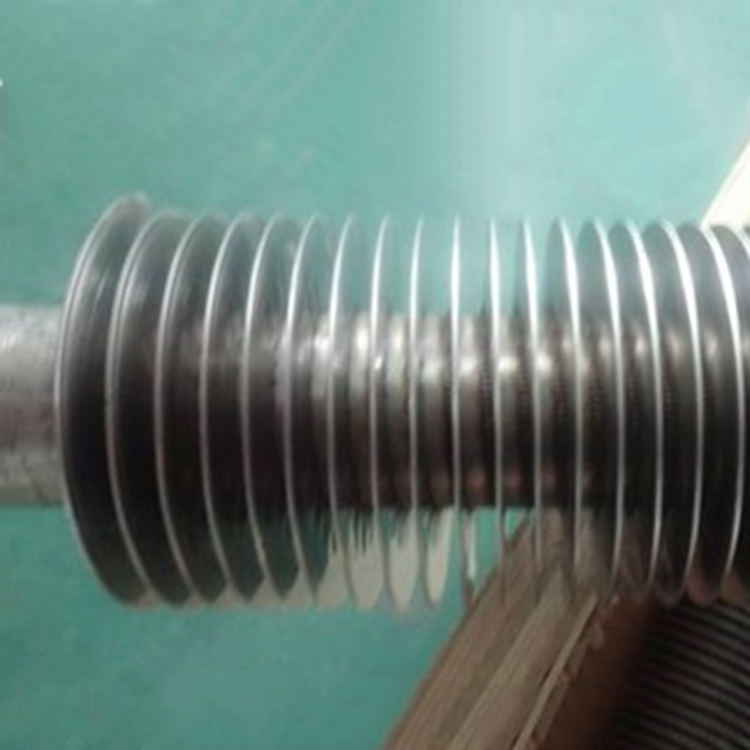
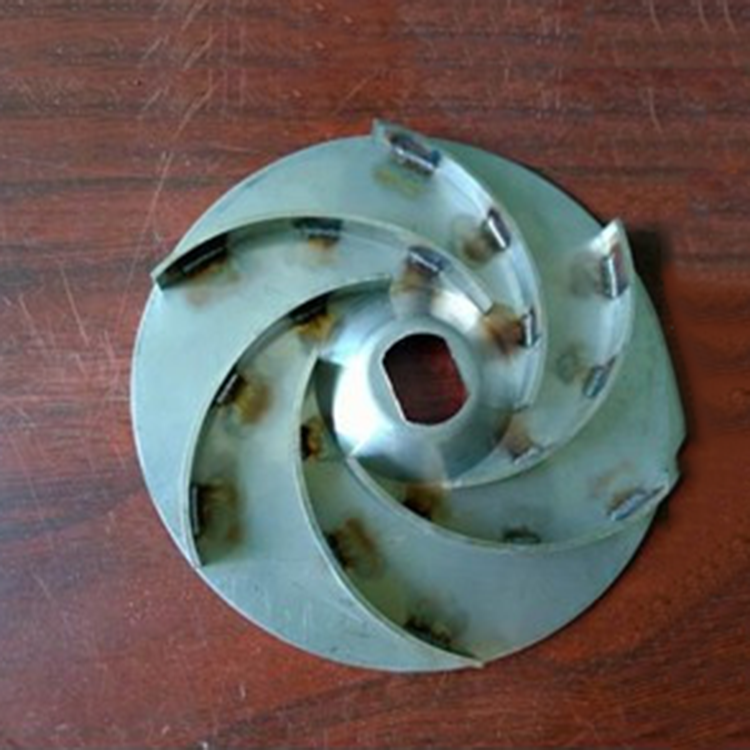
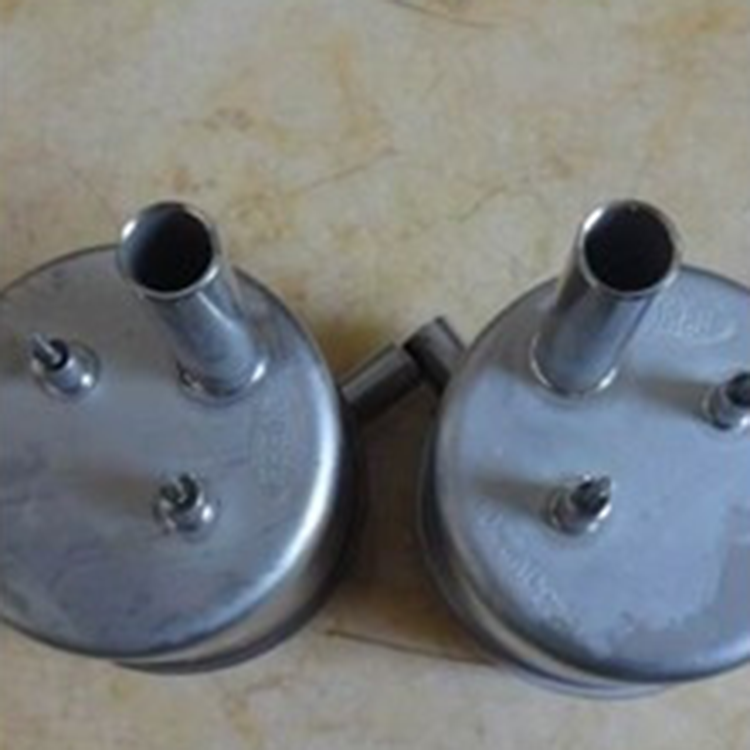
Laser welding is an important aspect of laser material processing technology. It can be categorized based on its working method into laser model welders (manual welders), automatic laser welders, laser spot welders, and fiber-optic transmission laser welders. The process involves using high-energy laser pulses to locally heat small areas of the material. The energy from the laser radiation is then transferred and diffused into the material through thermal conduction, causing it to melt and form a specific molten pool, thereby achieving the welding objective.
The principle of laser welding machines is essentially to complete welding through pulse laser beams. It can be divided into thermal conduction and laser deep penetration. The thermal conduction principle refers to the pointer heating the area to be welded through radiation. As the surface heat gradually penetrates into the material interior via thermal conduction, melting the workpiece can be achieved with relative energy, repetition frequency, and relevant laser parameters. For laser deep penetration, a continuous laser beam is required to perform the work, thus achieving material interconnection and welding depth. With technological upgrades (divided into pulse laser welding and continuous laser welding), pulse laser welding has no more than 100 spots per second, while continuous laser welding can reach up to no more than 5,000 spots per second. This welding principle, under sufficient high-density laser irradiation, allows the welding material to quickly absorb the energy of the laser beam at a point, resulting in complete melting and penetration of the metal material.
Compared to other traditional welding techniques, the main advantages of laser welding are:
1. The laser beam has a small focal spot and high power density, enabling welding of high melting point and high-strength alloys.
2. Laser welding is a contactless processing method, free from tool wear and tool change issues. The laser beam energy and movement speed are adjustable, allowing for various types of welding processes.
3. Laser welding boasts high automation, computer-controlled operation, rapid welding speed, and high efficiency, making it convenient for welding complex shapes.
4. Laser welding results in a small heat-affected zone and minimal material deformation, eliminating the need for additional processing steps.
5. Lasers can weld workpieces inside vacuum chambers and those located within intricate structural interiors.
6. Laser beams are easy to guide and focus, allowing for transformations in all directions.
7. Laser welding is more convenient than electron beam processing, as it does not require a stringent vacuum equipment system.
8. Laser welding offers high production efficiency, stable and reliable processing quality, and good economic and social benefits.
Application:
The laser welding process is suitable for welding metals such as gold, silver, titanium, nickel, tin, copper, aluminum, stainless steel, galvanized steel, and their alloys, enabling precise welding between the same type and different types of metals. It has been widely applied in industries such as aerospace equipment, shipbuilding, instruments and meters, electromechanical products, hardware accessories, kitchenware, digital accessories, fitness equipment, precision machinery, and automotive manufacturing.