

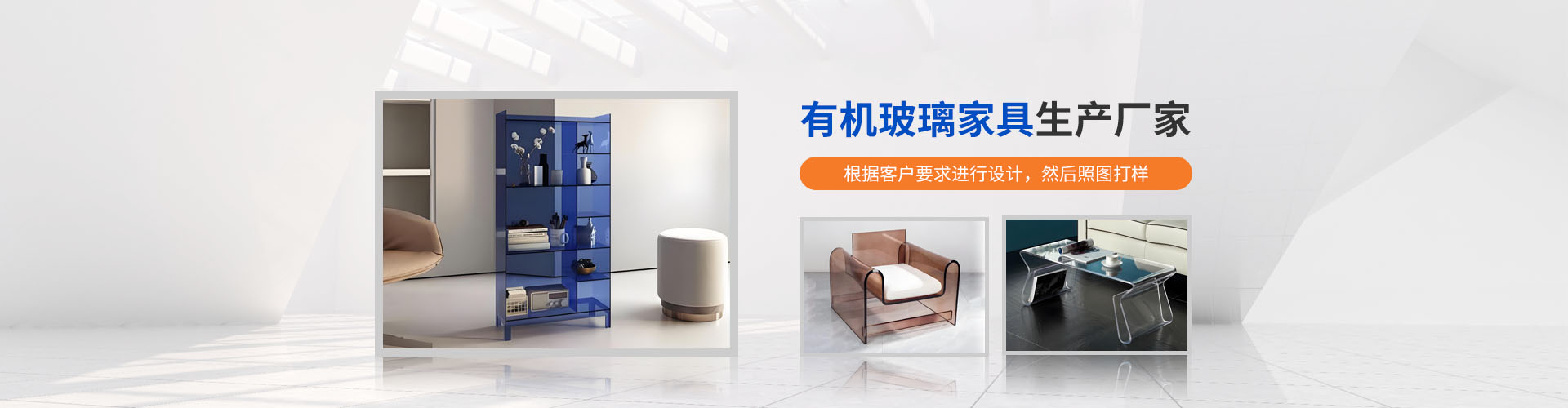
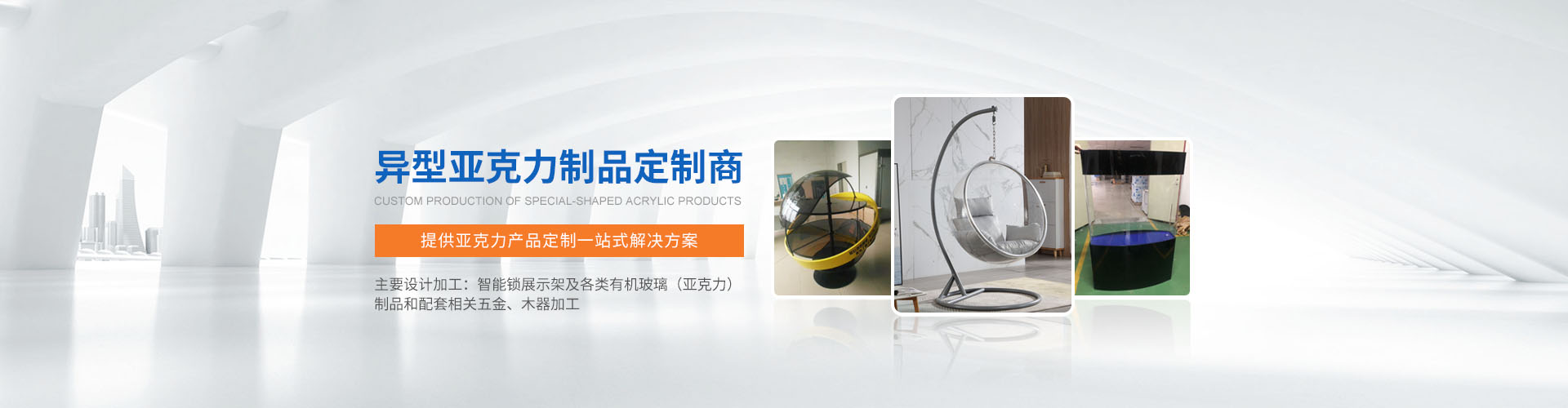

Acrylic products, we all know, are made from PMMA, also known as organic glass. Their applications are vast, deeply integrated into our daily lives. They can be used to create display racks, showcases, cabinets, cosmetic cabinets, advertising signs, picture frames, hotel supplies, authorization badges, product panels, equipment covers, protective panels, handicrafts, boxes, and more.
Due to the high transparency, strength, wear resistance, and ease of machining, acrylic sheets are widely used in our daily lives. When processing and using acrylic craft products, what issues should be taken into consideration?
1. Standard acrylic plates have a thermal deformation temperature of around 100 degrees Celsius, so when using acrylic crafts in daily life, it's important to be aware of this temperature and avoid long-term placement in high-temperature environments.
2. Due to the acrylic craft's surface hardness being comparable to aluminum, it should be handled with care to avoid surface scratches during processing or use. Minor scratches can be polished to restore the original luster.
3. To clean acrylic craftwork that is blurred or dirty due to static-generated dust attraction, simply wipe it clean with a soft cloth dampened with 1% soap water.
4. Considering that acrylic sheets have a certain expansion coefficient, it is crucial to be mindful of the effects of thermal expansion and contraction on acrylic craftwork during production. Allowing for a certain amount of space for expansion and contraction is highly necessary.
