
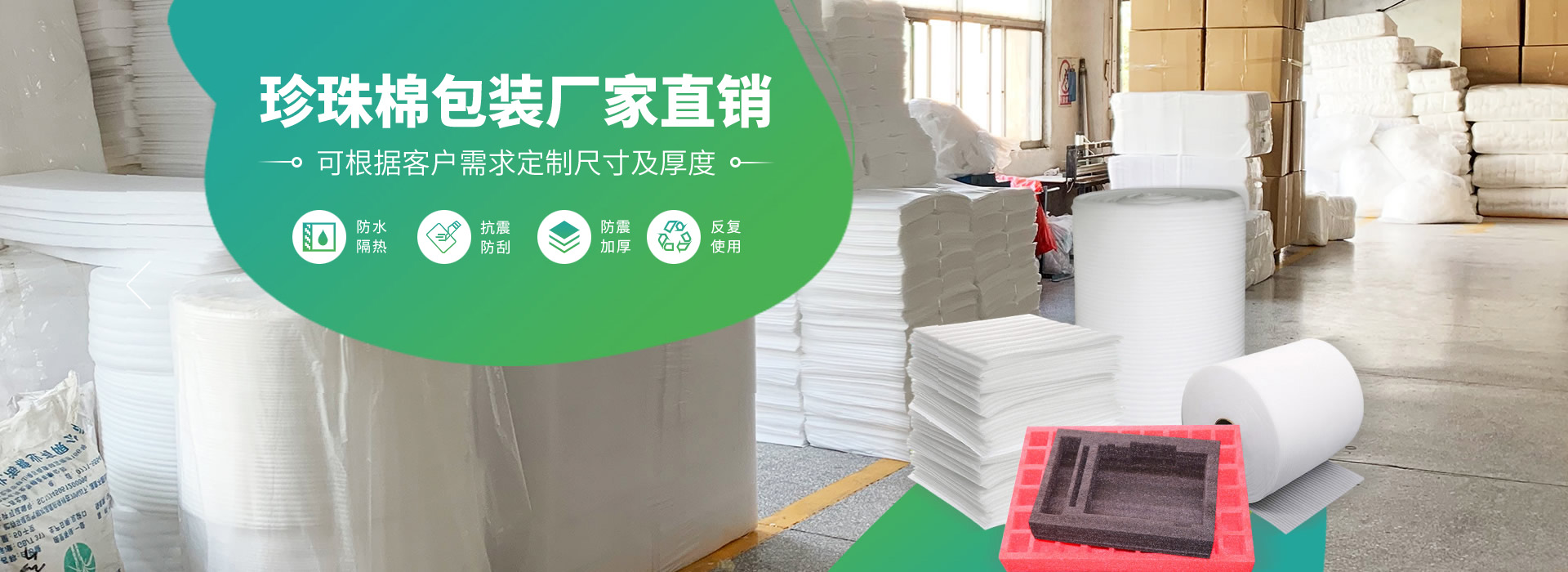
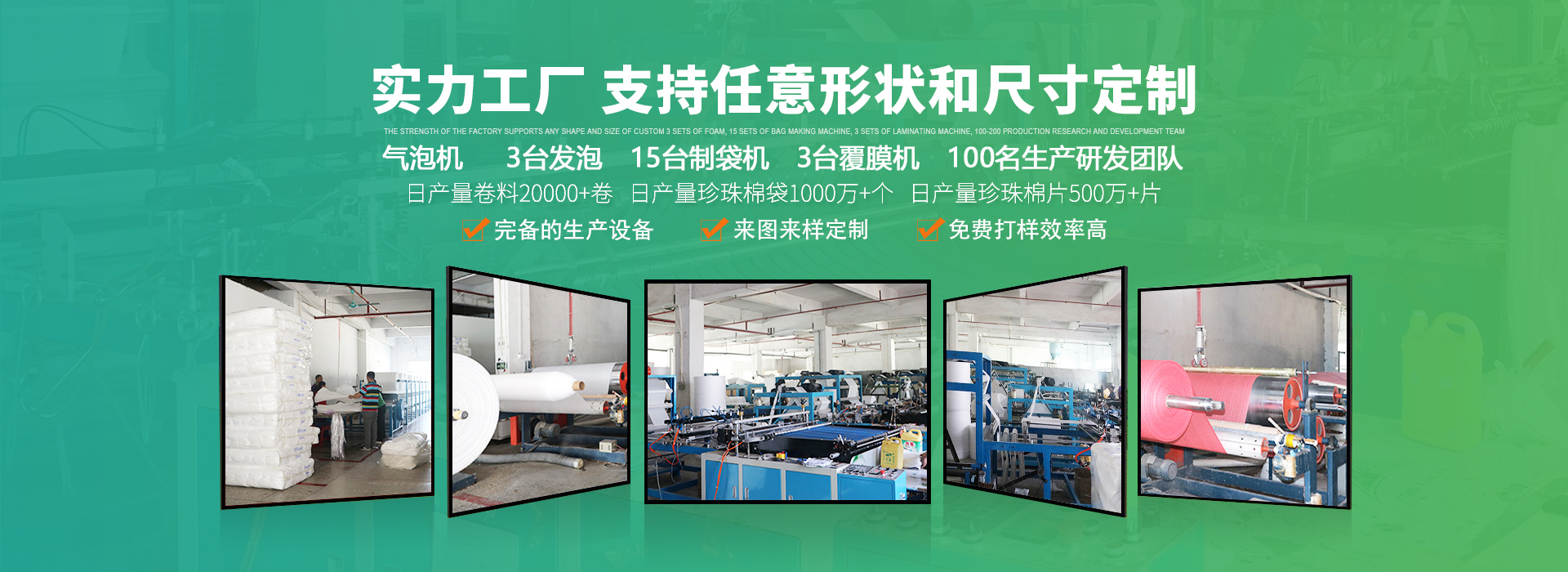
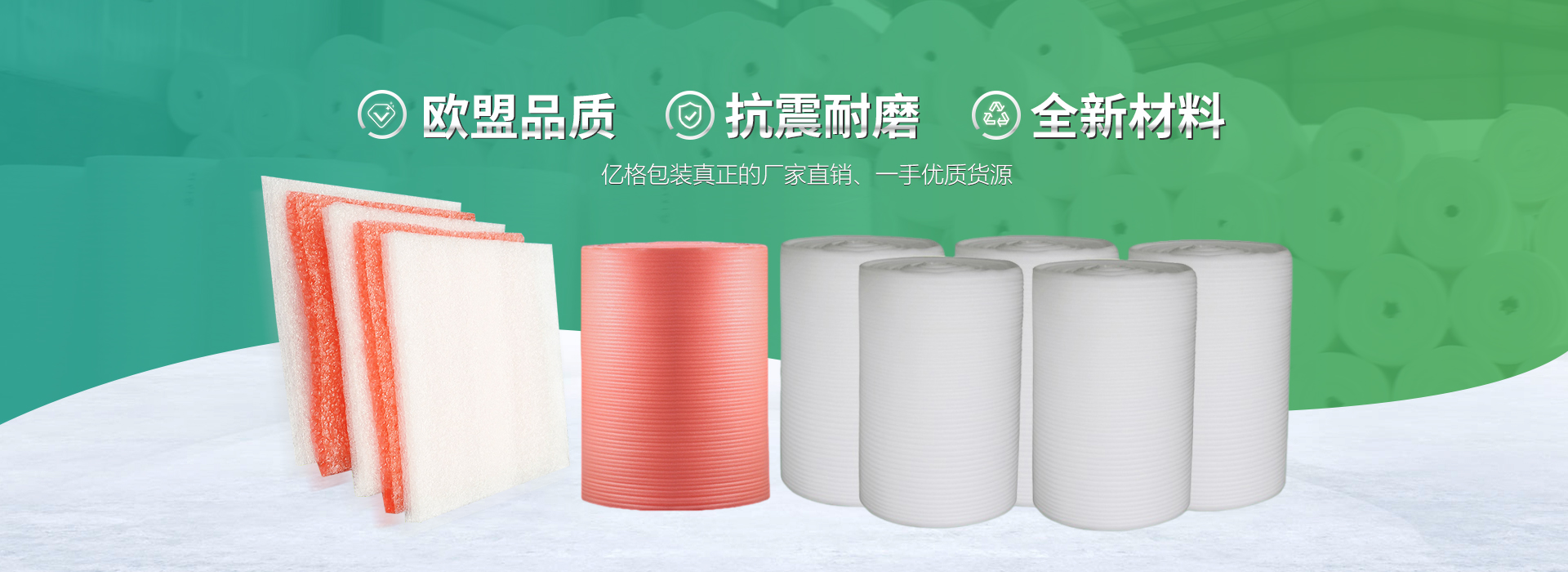

Pearl foam, also known as EPE pearl foam, is a non-crosslinked closed-cell structure and a new type of environmentally friendly packaging material. Composed of countless independent bubbles produced by physical foaming of low-density polyethylene, it overcomes the drawbacks of common foam, such as fragility, deformation, and poor resilience. It boasts many advantages, including waterproofing, shock absorption, noise insulation, thermal insulation, good plasticity, high tensile strength, recyclability, environmental friendliness, and strong impact resistance. Next, let's see the application range of pearl foam lining from pearl foam manufacturers.
Our daily-used pearl cotton lining is primarily used for packaging fragile items such as electronics, instruments, computers, audio equipment, industrial control boxes, hardware lighting, crafts, glass, ceramics, household appliances, coatings, furniture, alcohol, resins, and other delicate gifts. It is also used for the inner packaging of products like hardware goods, toys, fruits, leather shoes, and daily necessities. With the addition of colorant anti-static agents and flame retardants, its superior performance becomes even more pronounced. Not only is it aesthetically pleasing, but it also effectively prevents static electricity and fires.
Pearl cotton lining boasts the advantages of being lightweight, durable, aesthetically pleasing, and environmentally friendly, with low costs for bulk purchases. Adding static dissipative and flame-retardant agents can also endow it with anti-static and flame-retardant properties.
The raw materials and properties of EPE foam lining directly affect its quality. High-quality EPE foam linings use superior, high-grade materials, offering moisture-proof, heat-insulating, thermal-insulating, corrosion-resistant, and high resilience properties, especially for the packaging of electronic products where stringent performance requirements for the foam lining are essential.
