




In recent years, functional masterbatch has emerged as a significant member of the masterbatch family. It boasts superior qualities not found in standard masterbatches, enhancing the functionality of plastics and garnering widespread popularity.
Functional masterbatch is a product produced by blending, plasticizing, crushing, and granulating after the coloring agent and surfactant of general masterbatch undergo surface treatment and are combined with functional and dispersing additives.
Functional color masterbatches are high-concentration colored granules made from colorants, carrier resins, dispersants, coupling agents, surfactants, and additives. In addition to the above materials, functional color masterbatches must also incorporate auxiliary agents such as light stabilizers, antistatic agents, flame retardants, and foaming agents according to the specific functional requirements.
Function masterbatch is a specialized product that enhances a specific characteristic of a color masterbatch, with its variety differing to cater to different application fields and basic functions. It is a masterbatch that not only retains the functions of a regular color masterbatch but also imparts additional functionalities to plastic products.
Functional color masterbatches feature weather resistance, antistatic properties, flame retardancy, foaming capabilities, and more. Producing plastic products with these masterbatches ensures good colorant dispersion, vibrant hues, surface-free from discoloration or shade variations, easy color changes, lower costs, environmental friendliness, and reduced labor intensity. This method of plastic coloring is widely applicable and has a promising future.
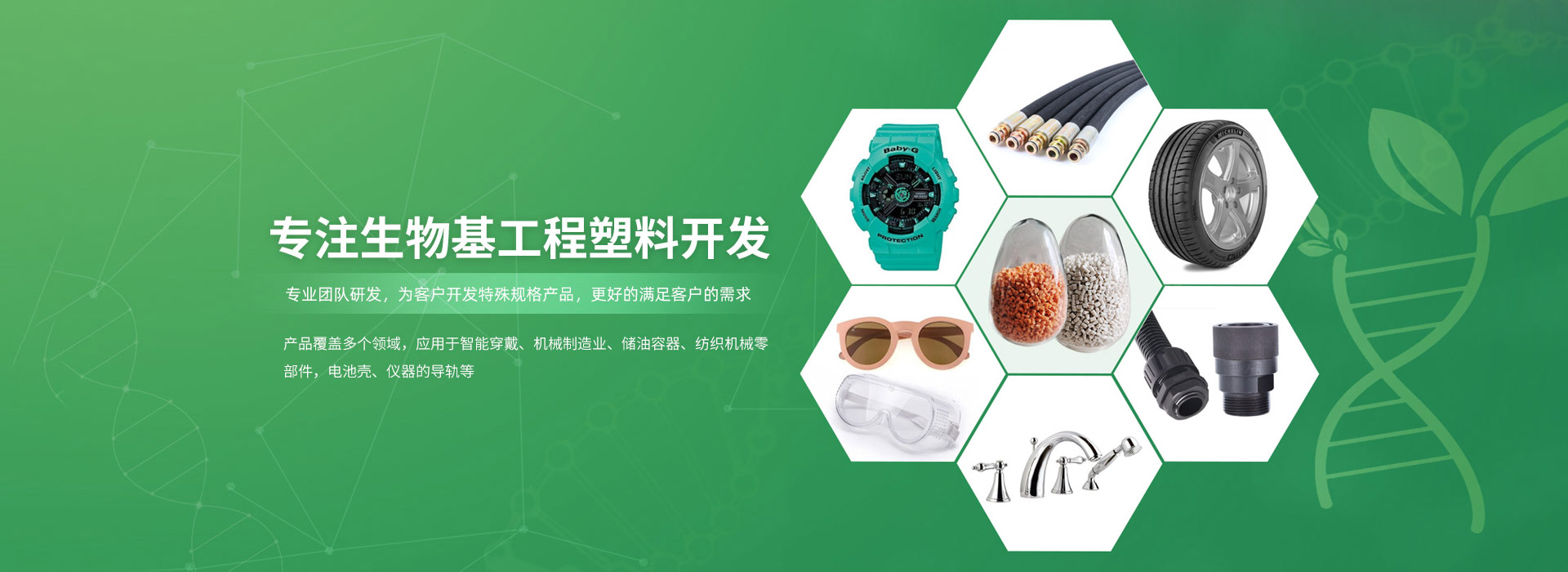
Functional masterbatches are extensively used in resins such as polyethylene, polypropylene, polystyrene, ABS, nylon, PC, PMMA, PET, etc., producing a wide array of colorful fibers, garments, daily plastic products, wires and cables, household appliances, agricultural films, and automotive components.
