


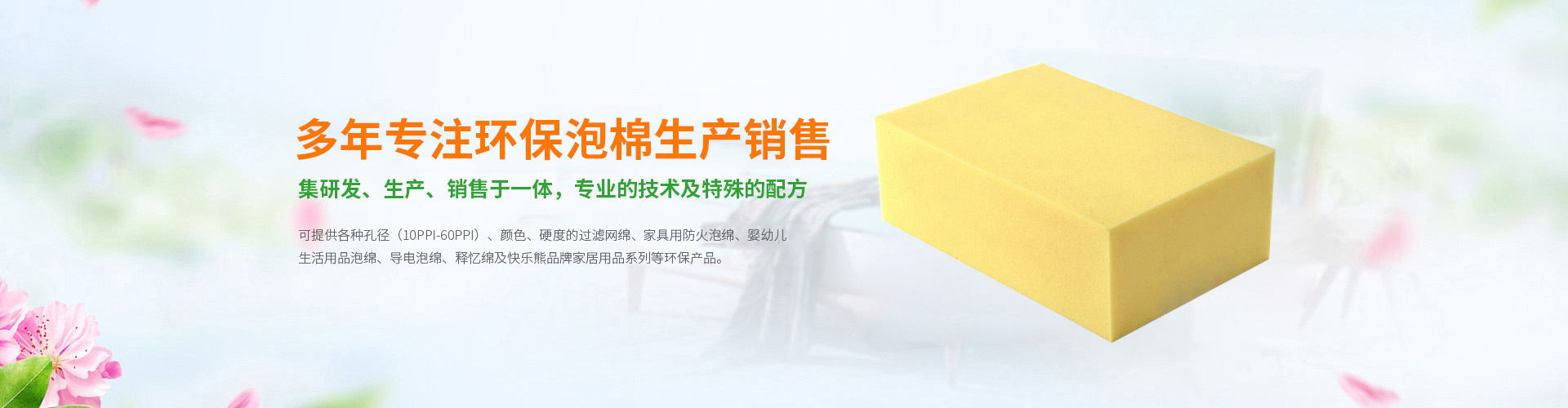

Slow-rebound foam, also known as memory foam, is primarily made of polyurethane. Polyurethane is a high polymer material with excellent elasticity and abrasion resistance, as well as good compressive strength, capable of withstanding the weight pressures of daily use.
Characteristics of Memory Foam
Good Adaptable: The slow-rebound sponge can adapt to the shape and weight of the human body to some extent, accommodating the body's curves for support and comfort.
2. Effective Stress Relief: The slow-rebound foam releases some compressed air when under pressure, evenly distributing the pressure points to surrounding areas, thereby effectively alleviating physical stress and reducing fatigue.
3. Slow Rebound: Slow-rebound foam features excellent memory, allowing it to quickly return to its original shape after being compressed.
4. Excellent Ventilation: The internal structure of the slow-rebound foam is relatively loose, thus offering good ventilation and reducing moisture and odors.
5. Excellent Abrasion Resistance: The polyurethane material of the slow-rebound foam features great abrasion resistance, which can extend its service life.
In summary, the slow-rebound foam material, polyurethane, offers excellent adaptability, pressure-relieving properties, slow rebound, good ventilation, and excellent wear resistance, making it an excellent material for both mattresses and cushions.
