
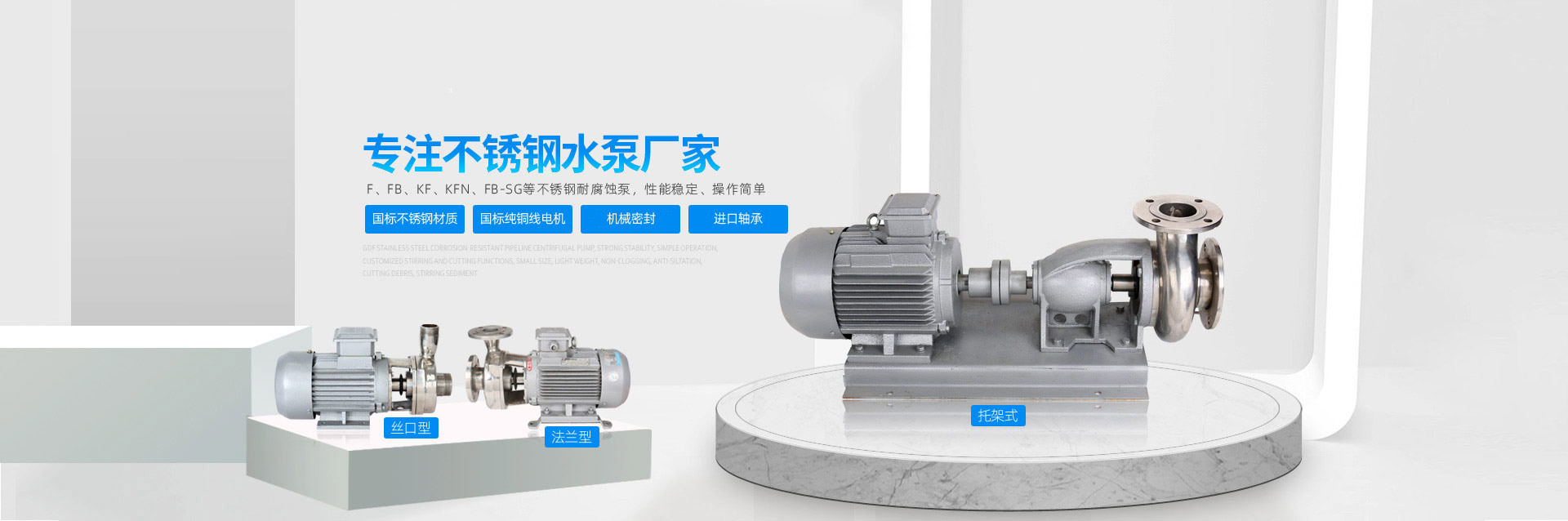

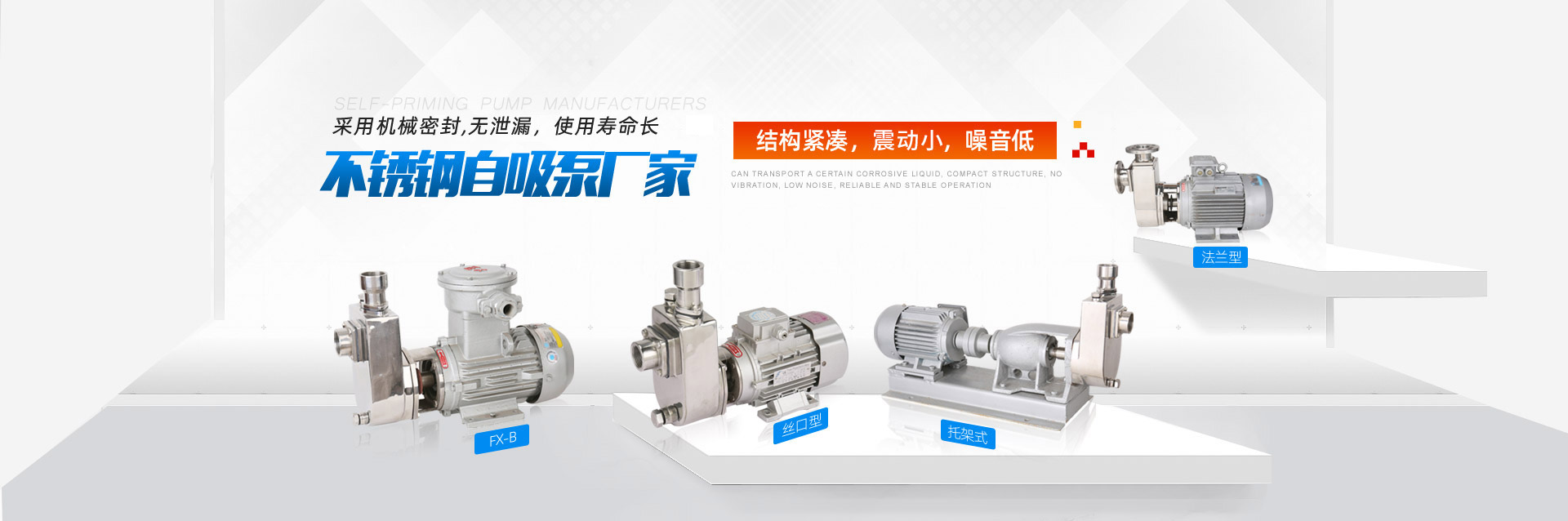

Submersible sewage pumps are an essential water lifting equipment for geothermal development projects, known for their heat resistance, corrosion resistance, and aging resistance. They operate at temperatures up to 120°C and have passed the national ministerial level assessment. The submersible motor housing is made of stainless steel and tin bronze materials.
When a humidity sensor or temperature sensor triggers an alarm, or when abnormal vibration and noise occur during the pump operation; or when the output water volume and pressure decrease, and the electrical energy consumption significantly rises, immediate shutdown and maintenance of the sewage submersible pump should be conducted.
(2) Some submersible sewage pumps with poor sealing may experience a gradual decrease in insulation value even when not in use, after prolonged submersion in water. Ultimately, these pumps may become unusable, and in some cases, insulation failure can occur in a shorter period than that of continuously operating submersible sewage pumps. Therefore, standby pumps in the sump may not always serve their purpose. If conditions permit, dry standby pumps can be placed outside the pool. In the event of a pump failure during operation, the faulty pump should be immediately shut down and lifted out, followed by the deployment of the standby pump.
(3) Pumps should not be frequently turned on and off, as this may affect the service life of the submersible pump. When the pump stops, water in the pipeline recirculates, and immediately restarting it can cause excessive load during the electric pump's startup, as well as unnecessary shock loads. Moreover, frequent on/off cycling of the submersible pump can damage components with poor shock resistance and lead to the overall failure of the electric pump.
(4) Do not restart before the motor has completely ceased operation after shutdown.
Ensure power is disconnected when inspecting electric pumps.
(6) When operating a sewage submersible pump, avoid washing items nearby, swimming, or placing livestock in the water to prevent electric shock incidents in case of electrical leakage from the pump.
