

Electric Furnace Microcomputer Automatic Blending System
The Electric Furnace Microcomputer Automatic Blending System includes: lifting electromagnetic iron, cable drum, cable connector, remote rectifier control cabinet, wireless microcomputer control instrument, wireless hook sensor, digital LED display screen, and central control console. The workflow of the microcomputer blending control system is as follows: input the required material values for each furnace into the microcomputer blending control instrument, start the crane, and according to the input material type and sequence of the microcomputer blending instrument, lift the material into the corresponding material pool. The microcomputer blending instrument automatically blends the materials according to the input formula, gives an instruction after blending, and the crane runs to the top of the feeding car, unloads the material into the feeding car, and then returns to lift the corresponding material type for blending according to the next material number. After the unit material is blended, a signal is sent to the feeding system, and the feeding car system starts the feeding program. This process repeats. The system uses a 16/32-bit multi-microprocessor system, which is faster, more precise, more functional, and more reliable in operation. It can wirelessly automatically transmit blending processes, states, parameters, and data, and work with upper computer software to achieve on-site configuration and real-time data management, facilitating on-site composition and melting management. It employs wireless weighing sensors with shock resistance, anti-magnetic, automatic sleep-saving power-saving functions, and the weighing body automatically zeroes out upon startup. The microcomputer control instrument uses a touch screen display with a Chinese interface, allowing for intuitive, simple, and friendly human-machine interaction, with operators learning and operating it easily. It is equipped with an LED weighing digital display screen with a large visible range and long distance; the weighing digital display is separated from the blending control display. The operation and maintenance are simple and convenient; wireless data transmission, high integration, low failure rate, stable and reliable, flexible installation, and simple debugging.
Automatic Feeding System
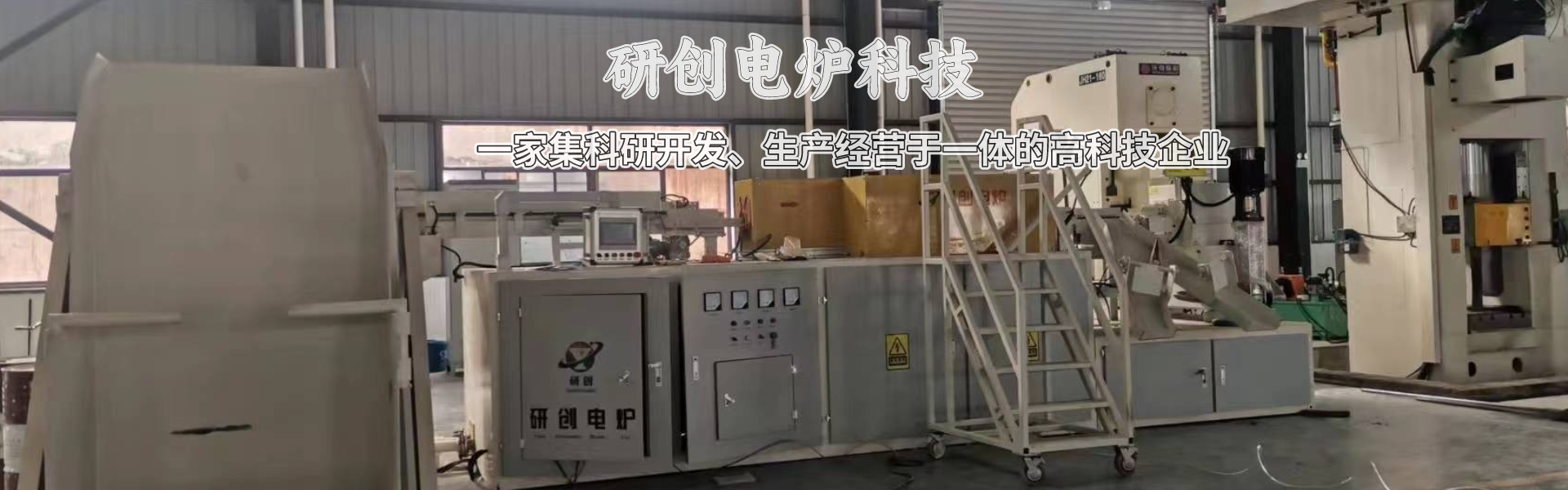
The automatic feeding system includes: vibration feeders, receiving bins with anti-jamming covers, cable trolley, electrical control cabinet and operating components, limit switches and safety sensors, vibration motors, driving motors, and walking tracks. The feeding vehicle's drive mechanism uses a cone motor with a braking device, ensuring smooth operation, stable stopping, accurate positioning, and reliable dual-motor drive. The storage bin and vibration feeder hopper are divided into three-layer structures, with the middle layer using noise-insulating materials. The overall frame structure and hopper are double-layered, equipped with noise reduction measures. The design of the feeding opening must be integrated with the melting furnace for comprehensive consideration, facilitating feeding, preventing material flow from impacting the furnace wall, protecting the furnace body, and enhancing the dust extraction effect. The front end features side guards that connect with the dust extraction cover, effectively removing dust, preventing molten iron splash, and includes an observation window for convenience. The discharge opening uses manganese plate, which is heat and wear-resistant, anti-magnetic, and has splash prevention and auxiliary dust collection baffles. It is removable, can be equipped with a dust filtration and separation unit, and can be designed to match the electric furnace dust extraction equipment and the furnace cover style. The intelligent feeding system is stable, reliable, and easy to maintain, offering diverse and flexible working modes, including automatic, semi-automatic, and manual operations. It provides uniform feeding, fast speed, no clogging, no molten iron splash, operator safety, low labor intensity for workers, and a clean and tidy work site.
