
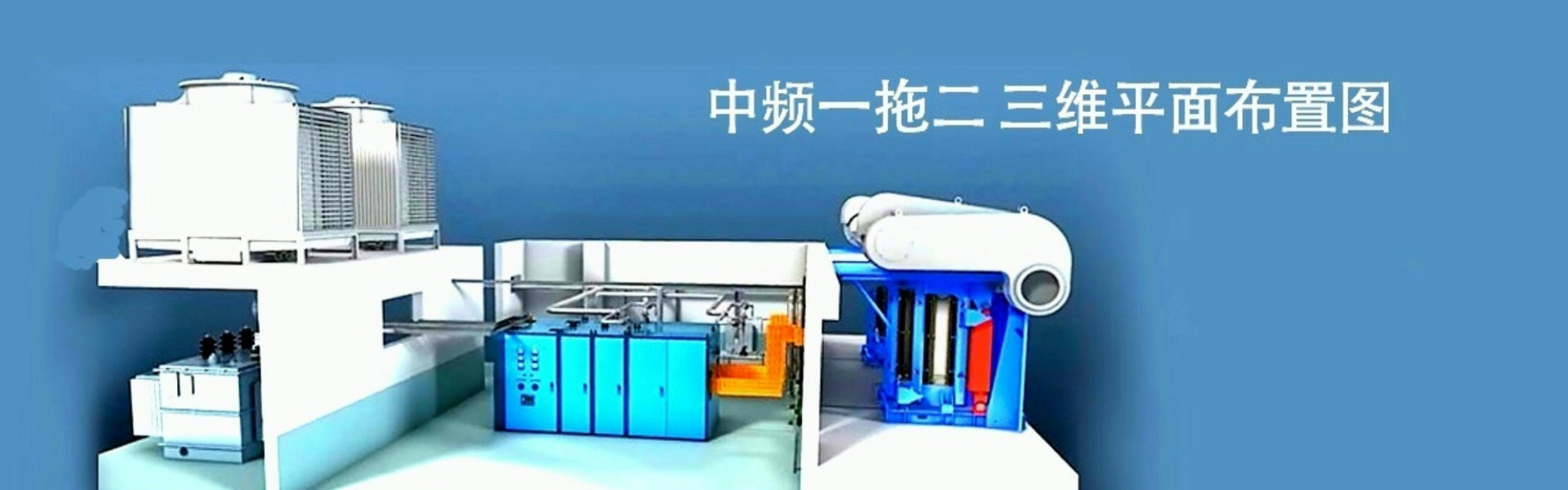
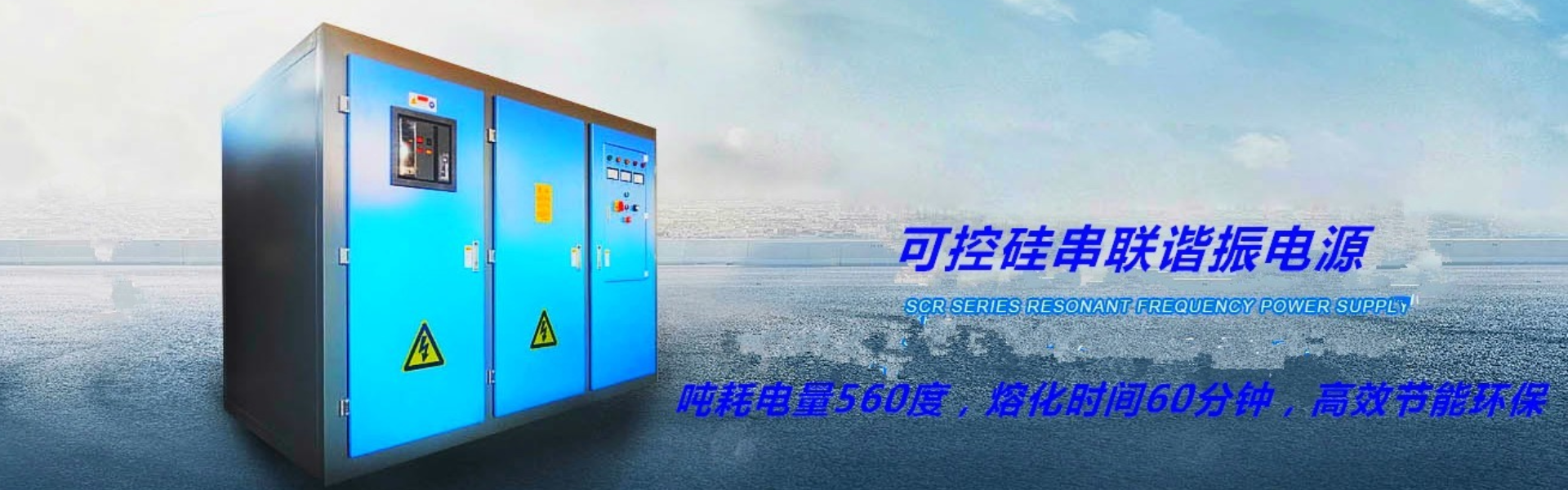
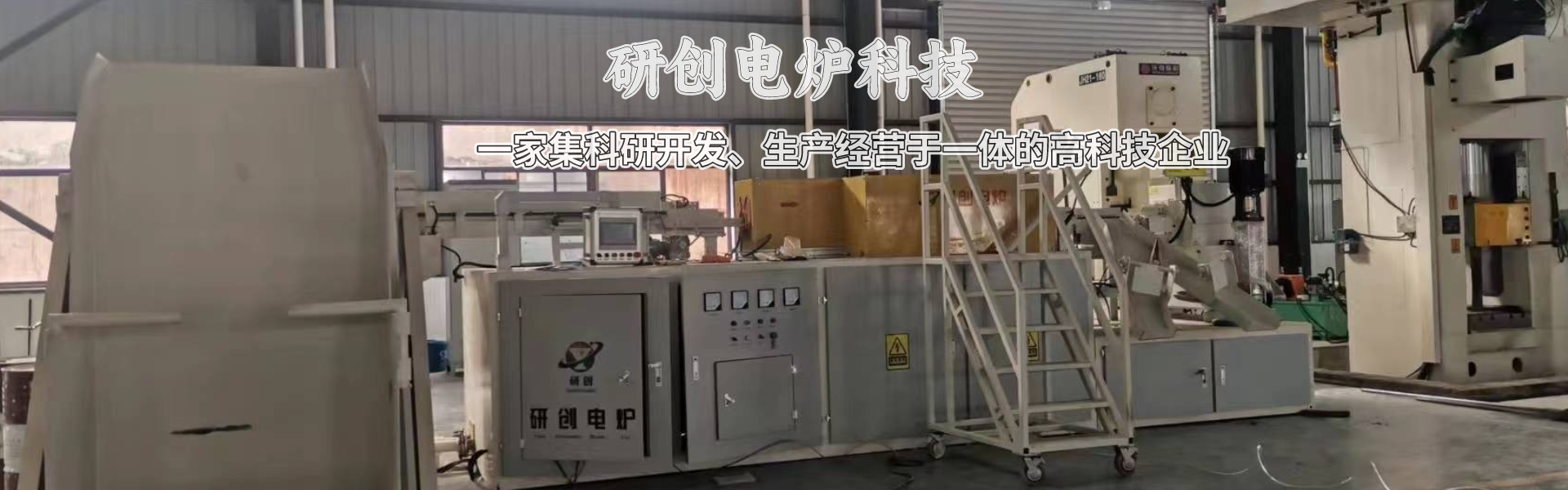

The automatic pouring machines are categorized into: bottom-gated insulating pouring machines, bottom-gated pouring machines, and pressure-insulating pouring furnaces; the bottom-gated pouring machines are suitable for large-scale continuous line pouring, especially for vertical line matching; the pressure-insulating pouring machines are ideal for static pressure line applications.
Automatic Injection Control
The casting machine allows for both automatic and semi-automatic casting, enabling operators to perform various useful operations to optimize the furnace and casting process. A key feature is the ability to save casting mode parameters (via the "Save Mode" button) and directly load these data during subsequent castings in the same mode (using the "Load Mode" button). This method significantly saves time during the "mode change" stage and reduces the likelihood of operators making errors when setting casting parameters. All parameters can be edited at any time before the mode is saved or before data is transmitted to the casting. Each combination of parameters in a mode is called a "menu." You can store up to 500 menus, divided into eight menu groups.
All menus can be stored on an external memory card (CF card or USB) for the display, allowing customers to access, review, modify, or back up the data.
Automatic Conception
The frequency of inverters is typically set manually by the operator or loaded from a menu. Upon initiating the "Automatic Maturation Parameter Calculation," detailed PLC menu data is combined with the pouring time to calculate the maturation agent variables optimized for the pouring mode.
Gate cup injection system
The size of the injection nozzle cup is determined by the injection speed, with the injection speed parameter representing the ideal kg/s ratio; by inputting this parameter, the injection cup can manage the flow rate.
By entering weight and pouring speed, the self-pouring system also manages high flow rates to maintain a constant KG/S throughout the optical pouring curve (automatically calculated during the self-learning period of the self-pouring system) while still adhering to the pouring stop time.
Pouring Curve
During the debugging process, the pouring curve was set according to the production process. The plunger opens slowly and then accelerates, and closes quickly and then decelerates. This design effectively controls the phenomenon of molten iron splashing during pouring, reducing the impact of molten iron on the sand mold. The furnace pressure and weight, the status lights of the mold line, and the optical camera display are shown. The table in the upper right corner presents some very important parameters, which are the parameters for the plunger and the manual pouring system during automatic pouring (the managers' passwords are protected). These must be set together by the melting technology guidance personnel and the furnace operator during the furnace debugging and the start of production in the customer's workshop.
Screw Rod System
Operators can adjust the running speed of the plunger rod via a variable frequency drive, monitor the status of the servo motor (green - enabled/gray - disabled), and when the plunger rod wears down to a certain extent (alarm/disabled).
Our design incorporates a buffer spring for the plunger action, reducing wear between the plunger and the sprue cup; the system also indicates the current position of the plunger in compliance with the zero-point reset value.
We've designed a rotating feature for our plug rod, which allows for debris removal by simply turning the rod when there's sticking residue between the sprue cup and the plug rod.
