

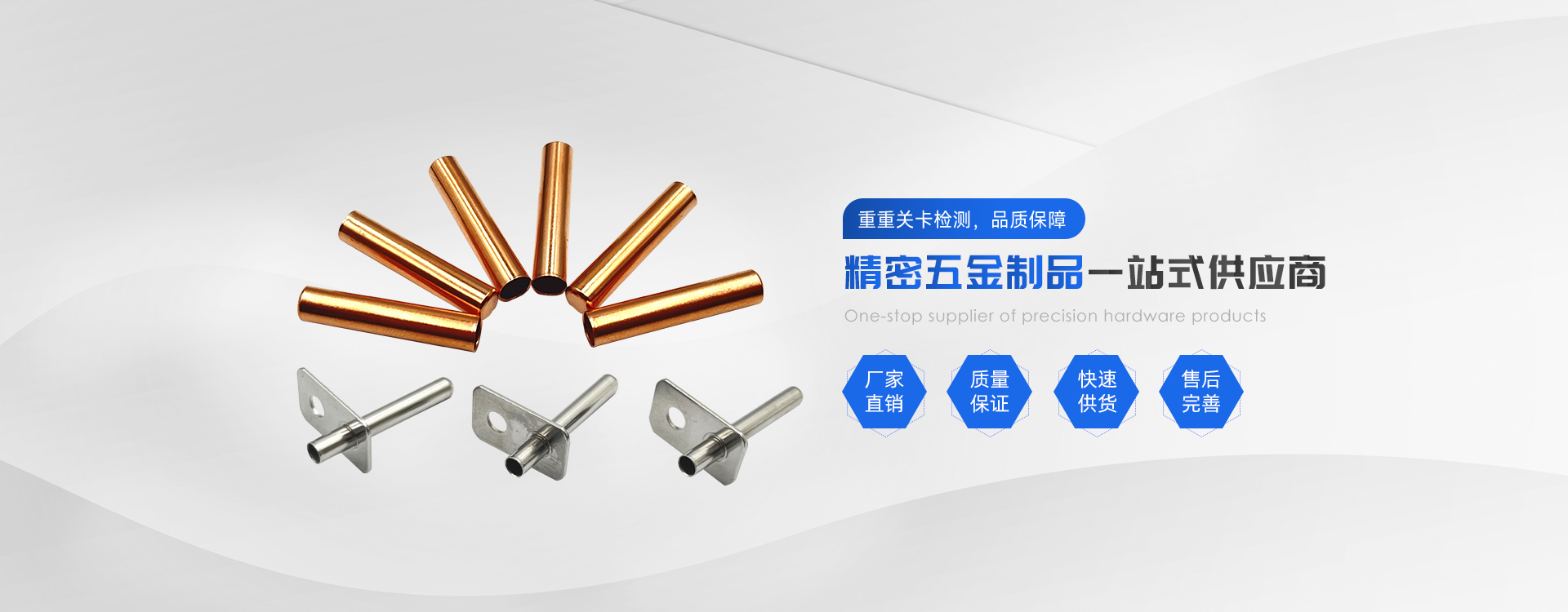
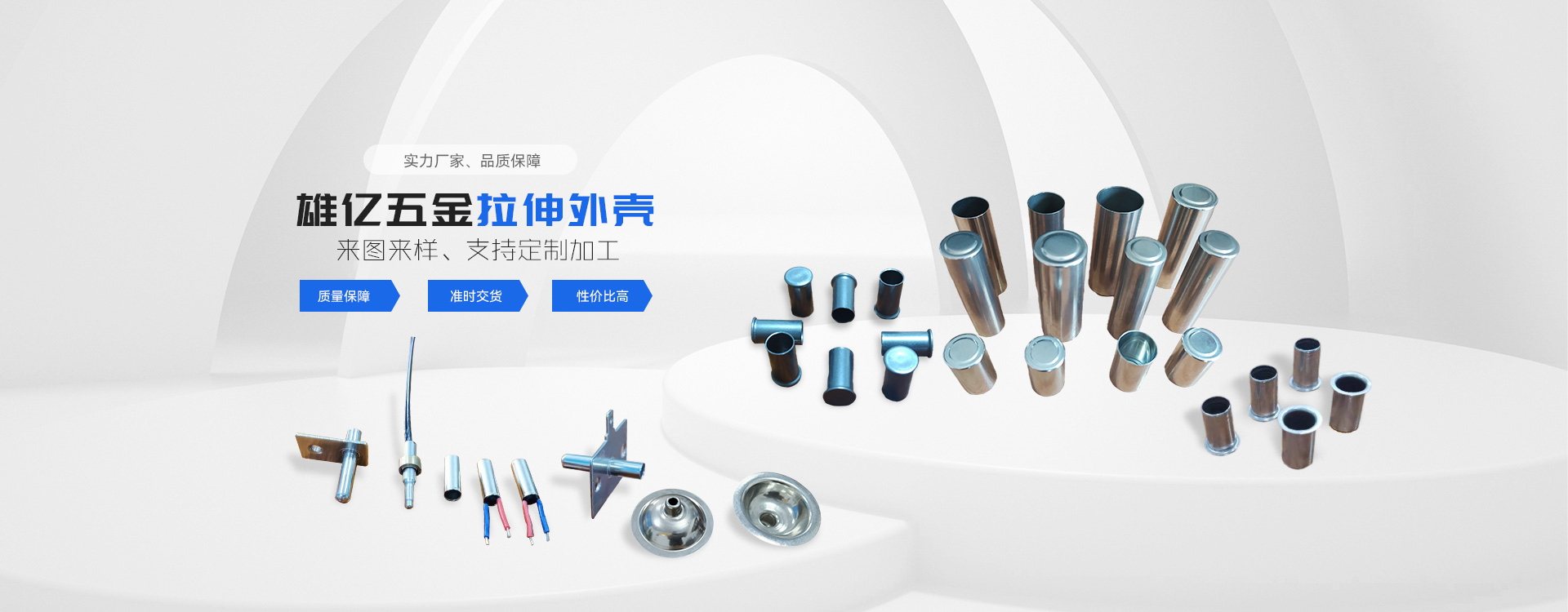

As social trends develop, stamping products have expanded into various industries. So, what causes brass stretching parts to crack, and how can we prevent it? Let's let the editor analyze this for you.
Several causes of wall cracking during the drawing process of brass stretchers:
The axial tensile stress the raw materials experience during deep drawing should not be overly great.
2. The fillet on the negative mold may be very small.
3. Poor wettability during stretching
4. The raw materials used exhibit poor plastic deformation properties.
5. Relates to the compressive strength of the筒壁传力区area.
6. Related to the tensile stress in the筒壁传力区;
When the tensile stress of the筒壁 exceeds the compressive strength of the筒壁 material, brass stretched parts will crack at the "risk section" located at the bottom corner and the tangent of the筒壁 circle.
Preventive Measures for Brass Drawn Parts Cracking
Reduce the allowance for trimming edges.
2. Slightly increased mold rounding with slight over-bend;
Proper Use of Lubricants During Production and Processing
4. Utilize high-plastic deformation raw materials or improve the workshop quenching process.
5. Improved the physical properties of raw materials to enhance the pressure resistance of the cylinder wall.
6. By defining the draw deformation level effectively with suitable drawing process and die design, achieving rounded corner semi-upturn in molds, and improving standard wettability, we can reduce the tensile stress in the force transmission area of the cylinder wall.
