
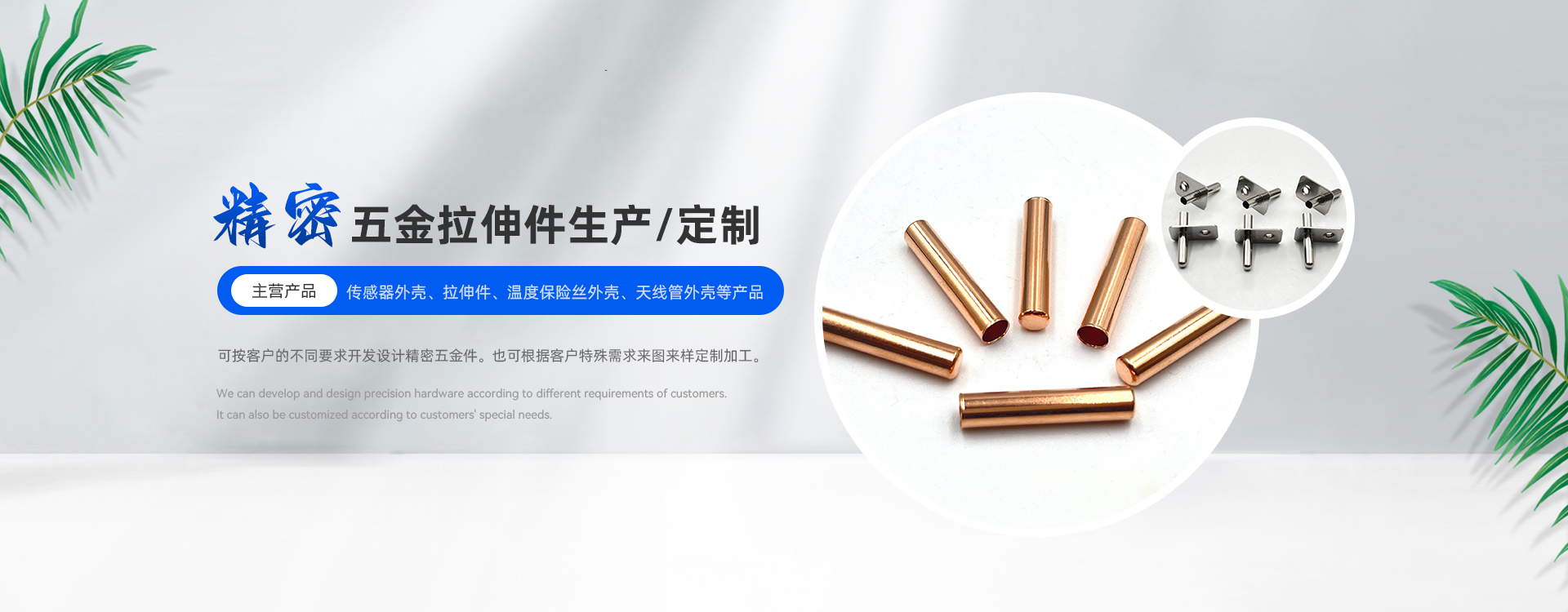
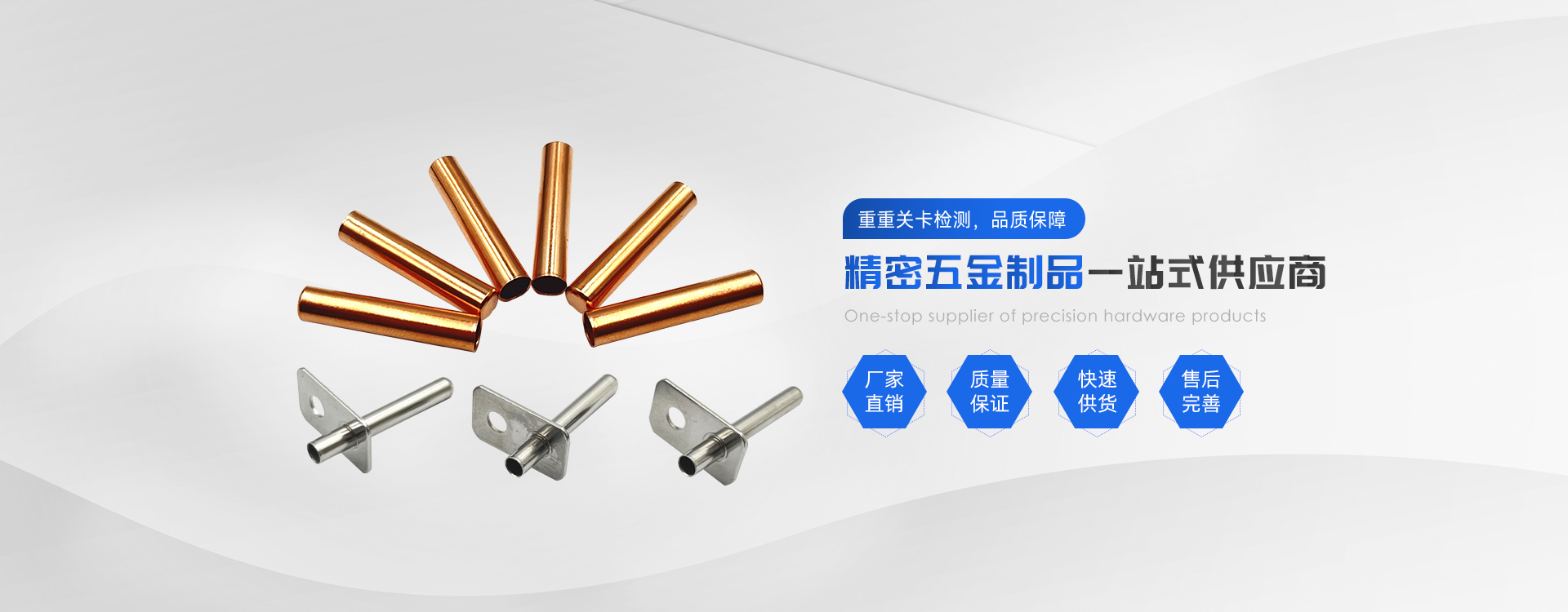
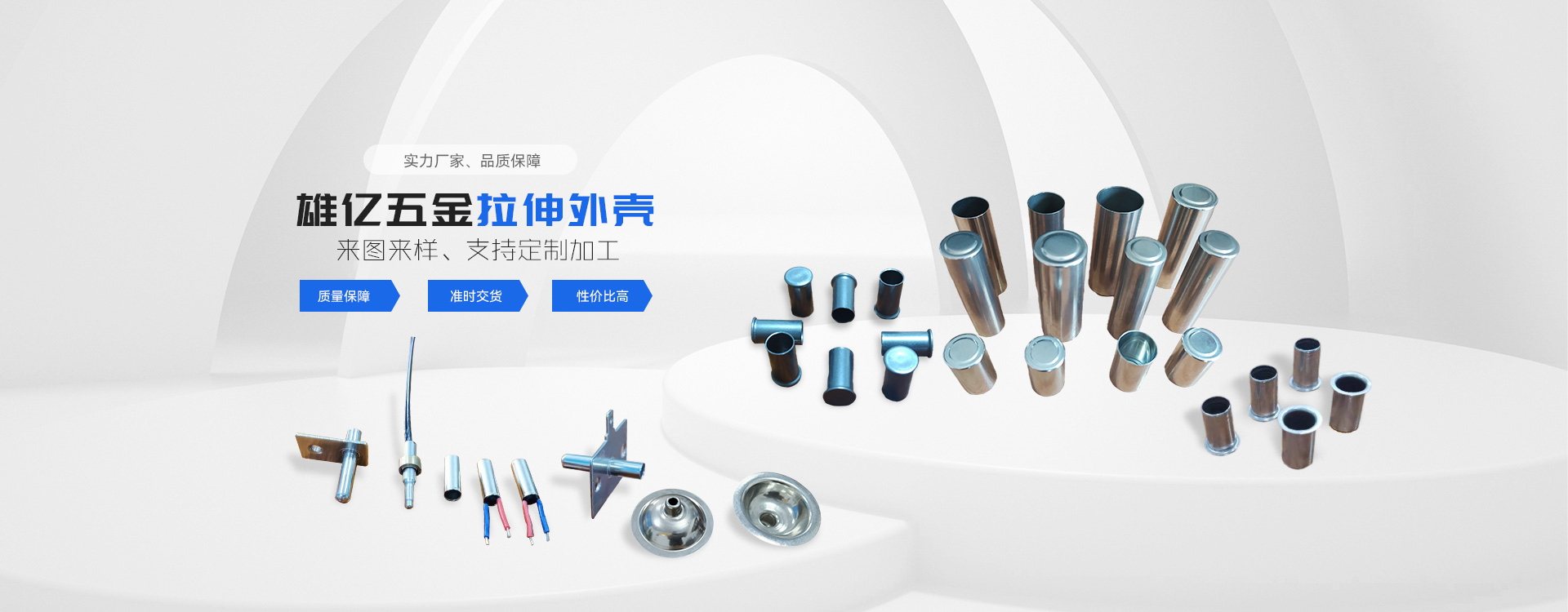

Sensor housings are typically made from stainless steel grades such as martensitic, ferritic, austenitic, austenitic-ferritic (duplex), and precipitation-hardened stainless steels, offering properties like resistance to acidity, fatigue, oxidation, and heat. As protective enclosures, sensor housings can be used in harsh environments. They are easy to install, convenient for replacement, and have good maintainability.
The diverse field applications of sensor enclosures dictate that such sensors have flexible installation characteristics: simple and with minimal use of additional accessories. Therefore, an ideal product design should allow for unobstructed observation from both the vertical and horizontal directions of the installation location. Not only should it display measurement parameters and related information, but it should also allow for on-site programming without the need for additional equipment. Such a product, when used in the field, is not only extremely convenient but also helps prevent malfunctions and enhances equipment efficiency.
