


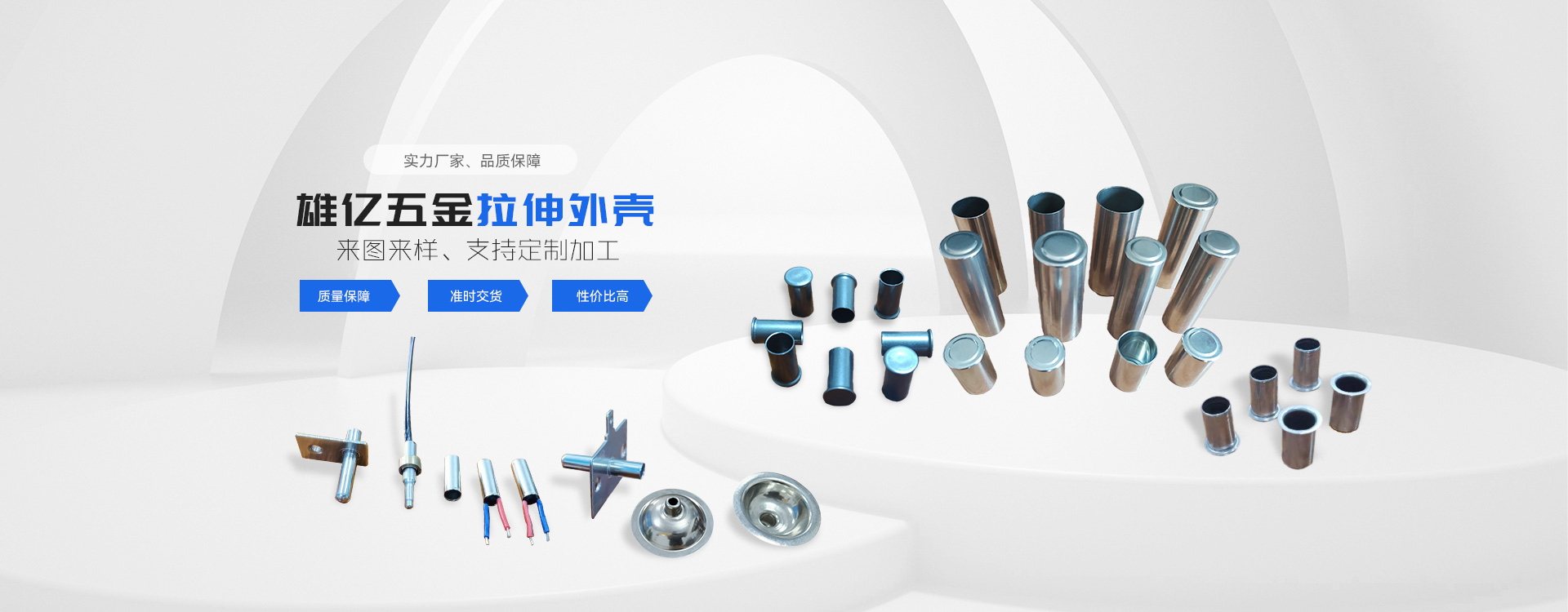

The sensor housing undergoes precision processing through techniques like stretching and stamping to achieve the required workpiece. There is a significant amount of waste during production. Why is that?
Defective sensor housings are caused by poor quality stamping materials. Incorrect installation, adjustment, and use of the stretching die; operators placed the strips inaccurately without maintaining consistent spacing. Excessive die lifespan leads to wear and tear on die components or guide parts. Long-term impact and vibration from the stretching die cause fasteners to loosen, leading to other changes in the mold assembly position. The operator's carelessness in not following standard operating procedures.
Countermeasures for sensor housing to prevent waste: The procurement of raw materials must comply with relevant quality inspection standards, and the dimensional accuracy and surface quality of the raw materials should be inspected and verified. We should strictly adhere to the regulations at each stage of the workflow. Ensure that all equipment used can operate under normal conditions.
Before mass production of the sensor housing, the first piece must be inspected, and only upon passing the inspection can the mass production steps begin. Enhanced patrols and inspections should be conducted to identify issues promptly. Adhere to safety production regulations and standards. Another point is that the mold cavities must be kept clean during the processing, and the workplace organization must follow the 5S standards.
