
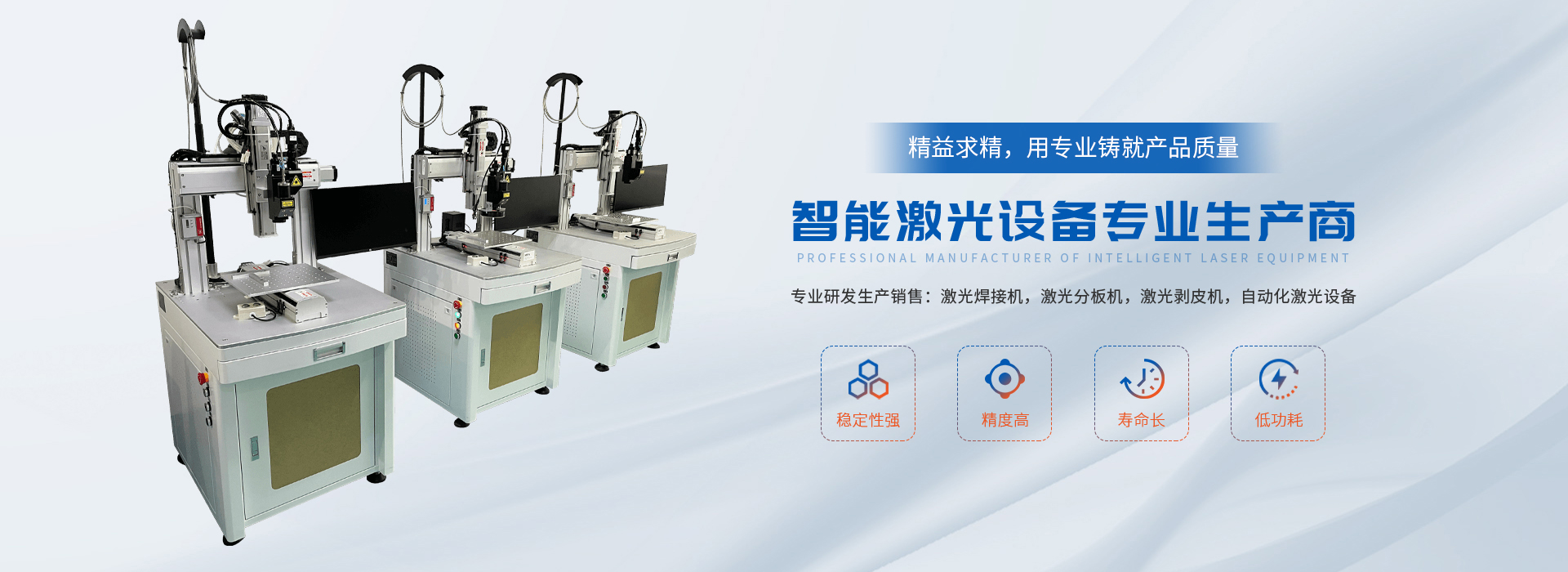
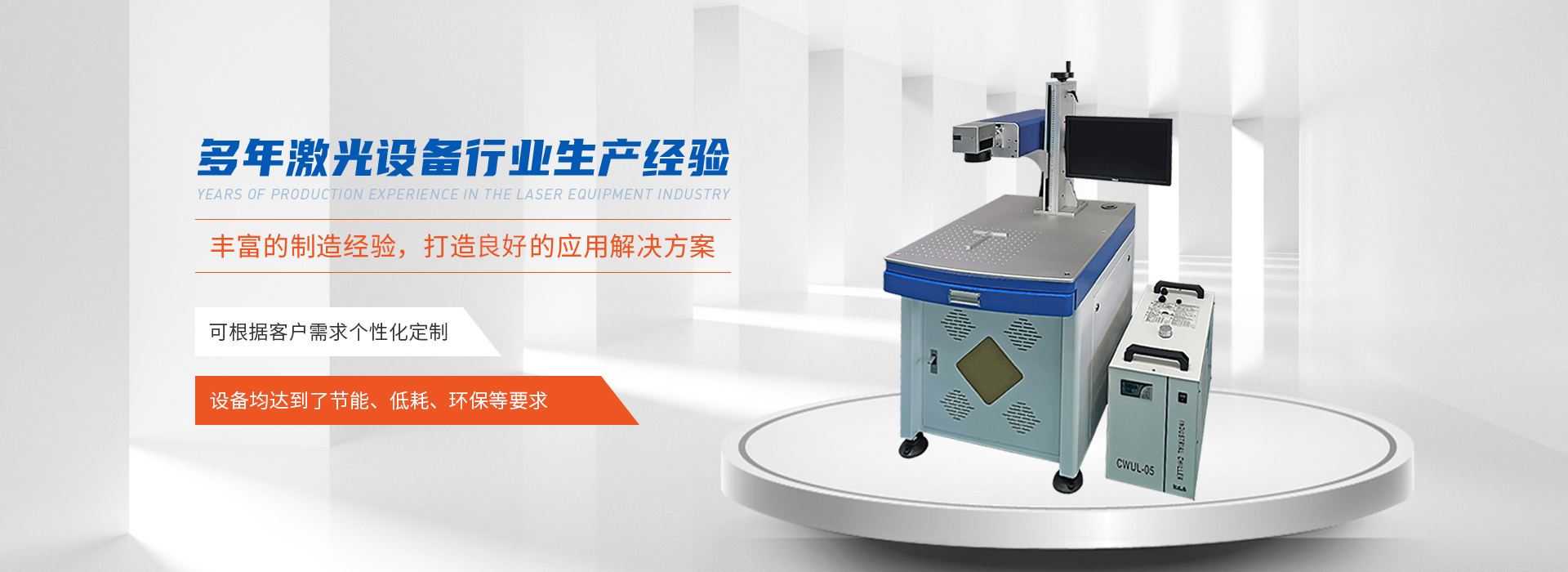
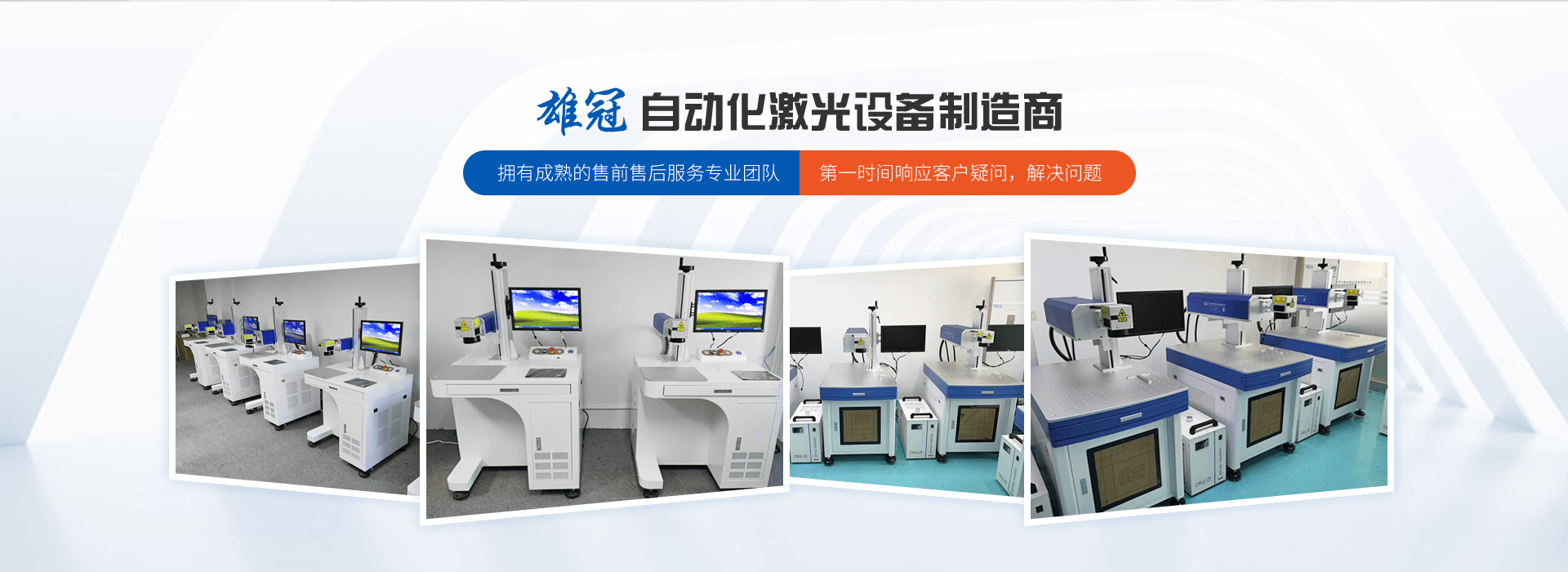

Fiber laser marking machines employ rare earth element-doped glass fibers as the gain medium, and have recently become a hot topic in laser physics research. They are widely regarded as the next-generation product that may replace solid-state lasers. What are the main advantages of using fiber laser marking machines?
Low cost of glass fiber manufacturing, mature technology, and the flexibility of the fiber for miniaturization and compactness advantages.
Glass fiber does not require strict phase matching for incident pump light as crystals do, due to the non-uniform broadening caused by Stark splitting in the glass matrix, which results in a broader absorption band.
Glass materials have a lower volume-to-area ratio, which allows for fast heat dissipation and low loss, resulting in higher upconversion efficiency and a lower laser threshold.
The wide range of laser wavelengths is due to the abundant energy levels of rare earth ions and the variety of rare earth ion types.
Tunable Nature: Due to the broad energy levels of rare earth ions and the wide fluorescence spectrum of glass fibers.
Optical fiber lasers boast the advantage of being free from adjustment and maintenance, thanks to the absence of optical mirrors within their resonant cavity, offering unparalleled stability compared to traditional lasers.
Optical export enables lasers to effortlessly handle a variety of multi-dimensional arbitrary space processing applications, simplifying the design of mechanical systems.
Withstanding harsh working conditions, it boasts high tolerance for dust, vibration, shock, humidity, and temperature.
No need for heat exchange or water cooling; just simple air cooling.
High Electro-Optical Efficiency: The overall electro-optical efficiency exceeds 20%, significantly reducing power consumption during operation and saving operational costs. The high-power, commercial-grade fiber laser is a 6-kilowatt model.
