
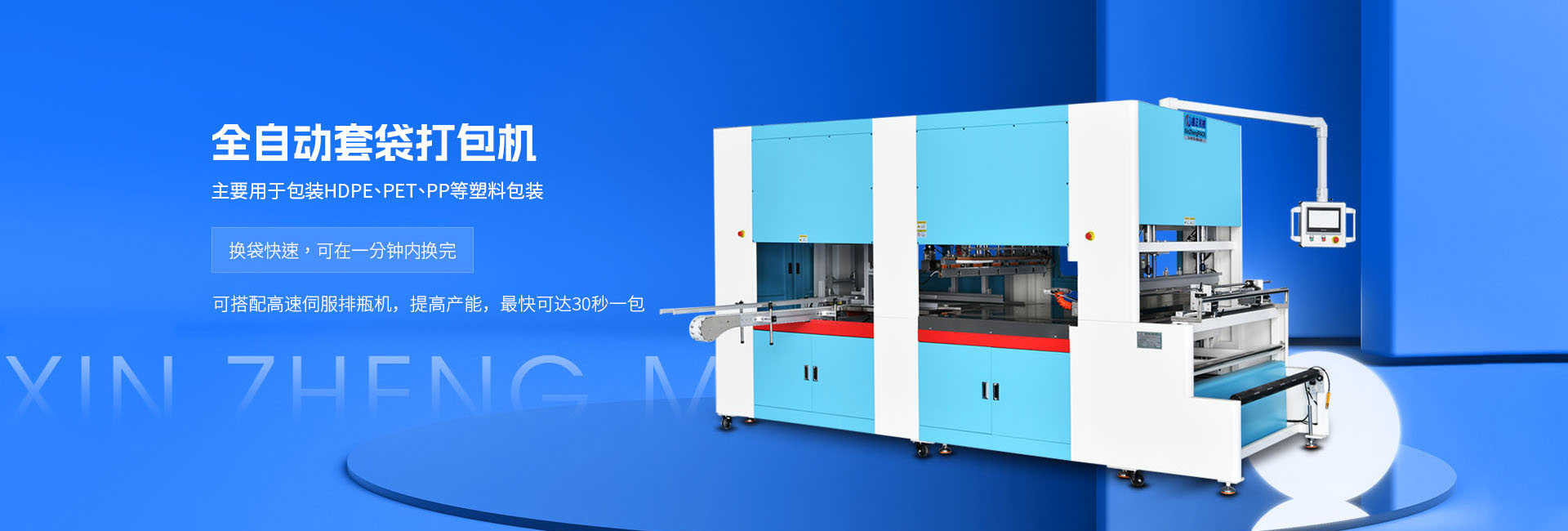
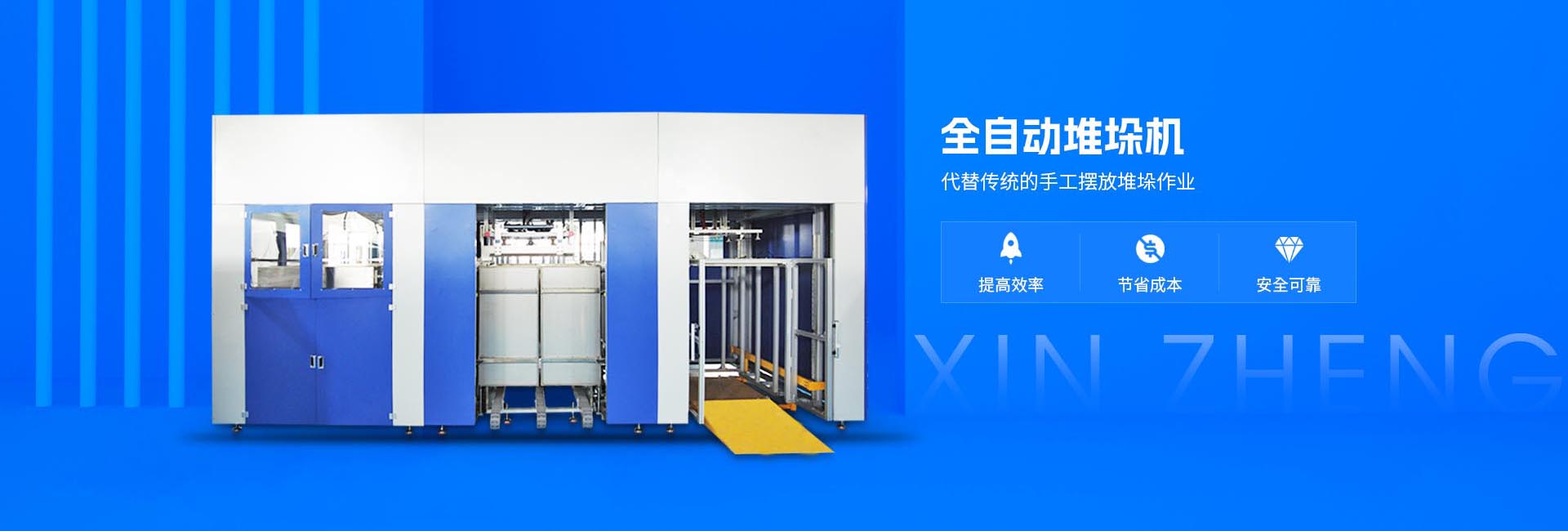

The packaging machine is a widely-used device across various industries, primarily designed for packaging and stacking products or materials. Here are some of the main application scenarios for packaging machines:
In the logistics and warehousing industry, packaging machines are a crucial component of automated warehousing systems. They can automatically package and stack goods, significantly enhancing storage efficiency and dispatch speed in warehouses.
In the food and beverage industry, packaging machines can automatically package food or beverages, ensuring the hygiene and safety of the products during transportation and storage.
In the chemical industry, packaging machines are utilized for bagging and stacking materials such as chemicals, ensuring stability and safety during transportation and storage.
In the steel industry, packaging machines on the steel production line automatically package and stack pipes, plates, and other materials, reducing manual operations and enhancing production efficiency.
In addition to the aforementioned industries, coding machines are widely used in fields such as building materials, hardware, electronics, and tobacco. In these sectors, coding machines play a crucial role, enhancing production efficiency, reducing labor costs, and improving product quality and safety.
As technology continues to evolve, packaging machines are also being upgraded and improved to cater to the needs of more industries. For instance, modern packaging machines are typically equipped with sensors and control systems, enabling superior packaging and stacking operations, while also being more intelligent and user-friendly.
Please note that specific industry requirements and material characteristics may lead to variations in the design and functionality of coding machines. Therefore, when selecting a coding machine, it is essential to customize and optimize it based on the actual application scenario and needs.
