

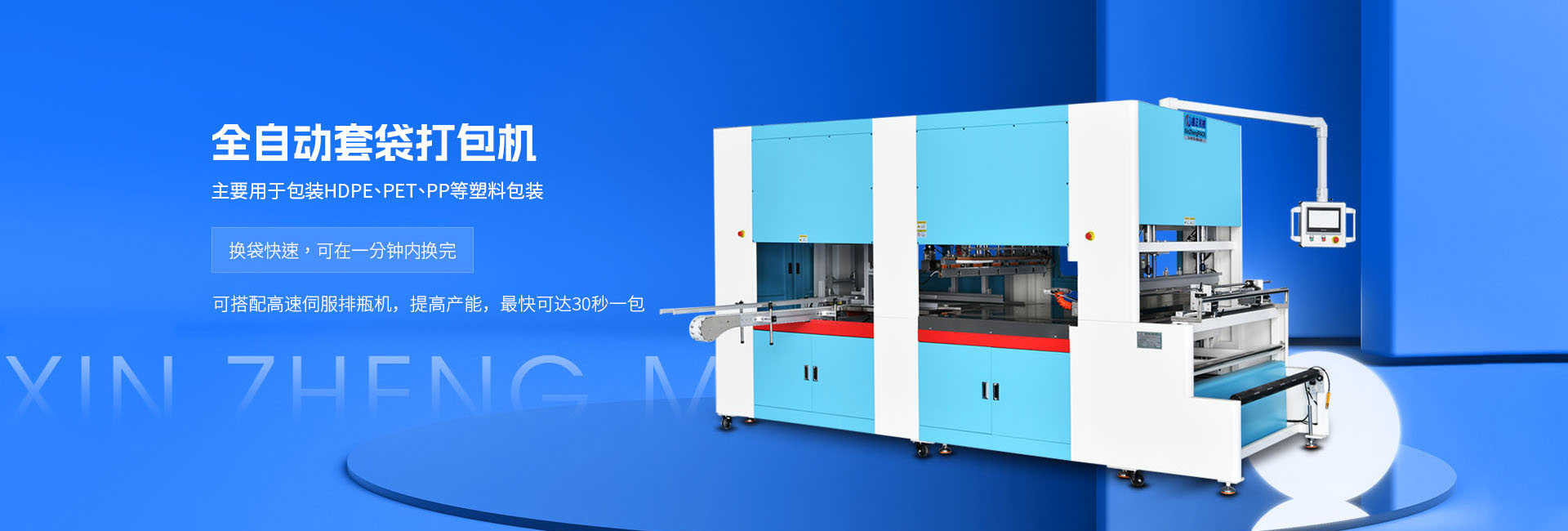
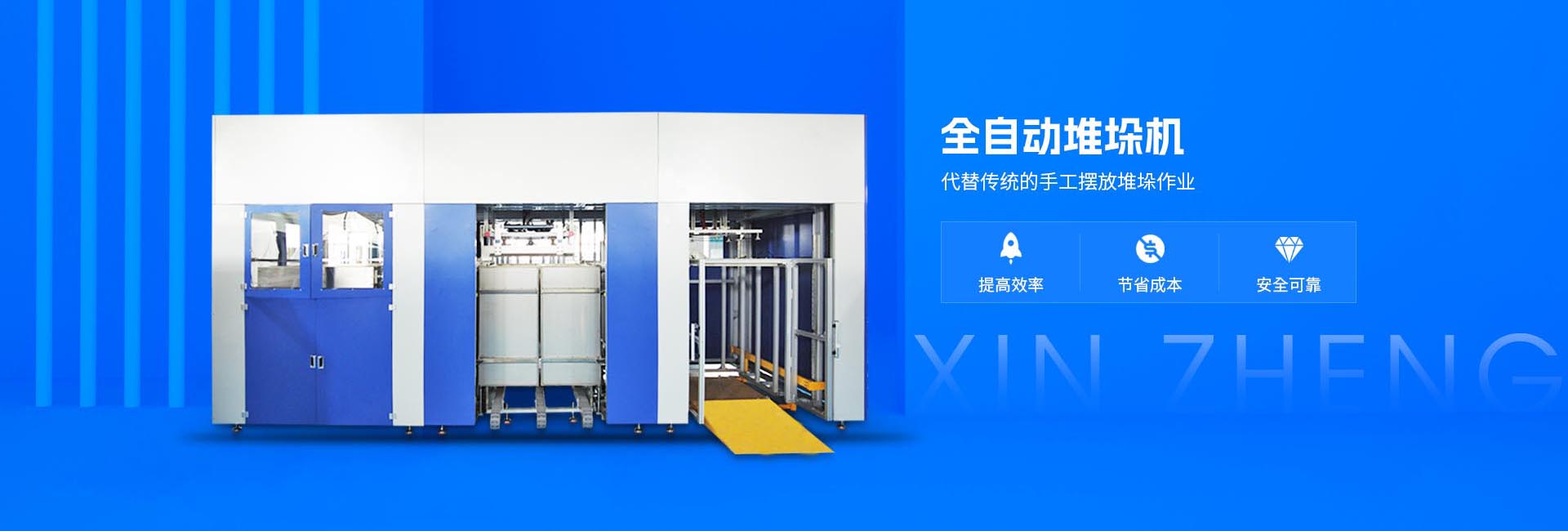

The working principle of the de-stack machine is primarily based on the collaborative function of the mechanical structure and control system.
Firstly, the de-stack machine is powered by an electric motor that drives the reducer, initiating the movement of the chain. Rollers are mounted on the chain, which can smoothly roll along specific tracks under the chain's action. When the stacked items to be separated are placed on the tracks, the operator activates the de-stack machine through the control system.
As the chain turns, the rollers begin to engage and push the stacked items. While the rollers push the items forward, the tracks behind them lift accordingly to assist in smoothly separating the items from the pile. This process continues until all items are dislodged.
Throughout the process, the control system plays a crucial role. It adjusts the de-palletizer's operating parameters based on actual conditions, ensuring a smooth de-palletizing process. Additionally, the de-palletizer is equipped with various sensors to monitor real-time information such as position, speed, and force during the de-palletizing process, feeding this data back to the control system for real-time adjustments and optimization.
It's noteworthy that the working principle of de-stack machines can vary depending on the specific model and application scenario. For instance, some advanced de-stack machines may employ more complex mechanical structures and control systems to achieve higher efficiency and accuracy in de-stacking. Moreover, when operating de-stack machines, strict adherence to safety operating procedures is essential to ensure the safety of operators and the stable operation of the equipment.
In summary, the de-stacker achieves automated separation and processing of stacked items through the collaborative action of its mechanical structure and control system, significantly enhancing the efficiency of logistics and production processes.
