

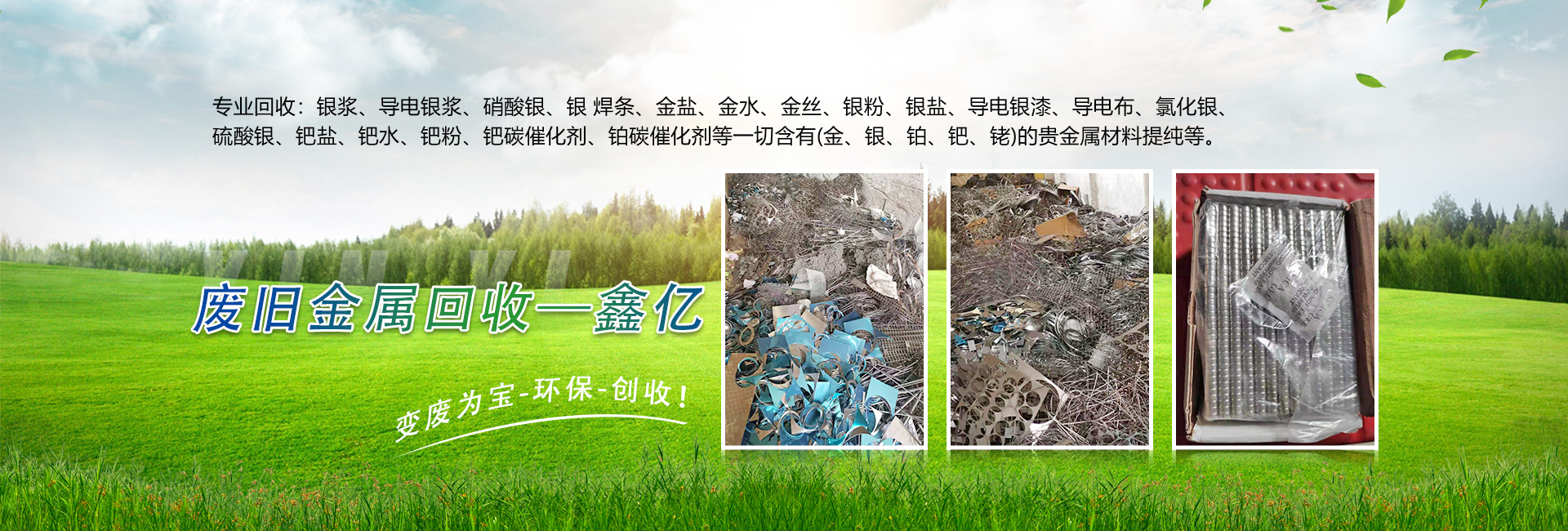


Scrap metal recycling serves the following purposes:
Reduce dependence on primary metal mineral resources. Metal recycling can decrease reliance on primary metal mineral resources, thereby reducing the amount of ore mining and minimizing environmental damage.
2. Reducing Energy Consumption and Emissions. Metal recycling can reduce energy consumption and emissions, such as during the recycling of scrap steel, where molten iron can substitute for a large amount of electricity, resulting in significant energy savings.
3. Reducing Environmental Pollution. Metal recycling can decrease environmental pollution, such as the recycling of scrap copper can minimize its impact on the environment and protect the quality of the environment.
4. Resource Reuse: Waste metals can be recycled, such as used aluminum cans, which can be collected and remanufactured into new aluminum products, thereby conserving aluminum ore resources.
5. Economic Benefits. The recycling of scrap metals can yield economic returns, such as the reprocessing of scrap metals to gain certain economic value.
Overall, scrap metal recycling can have multifaceted impacts, including environmental, economic, and resource utilization aspects.
