
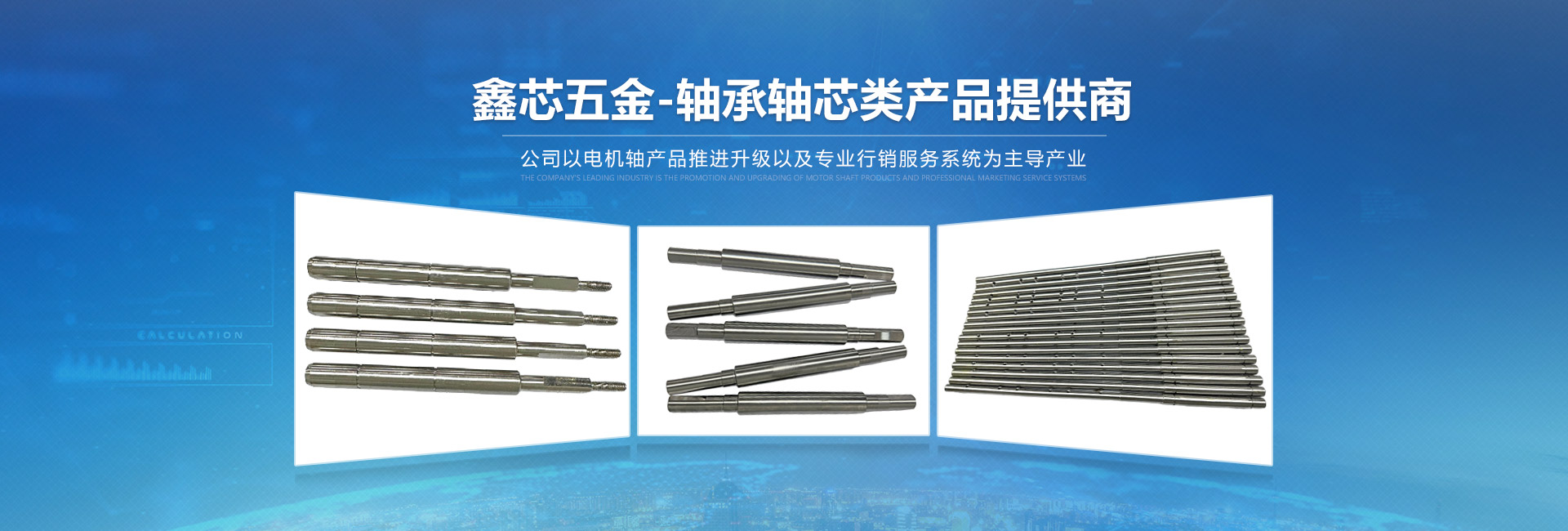
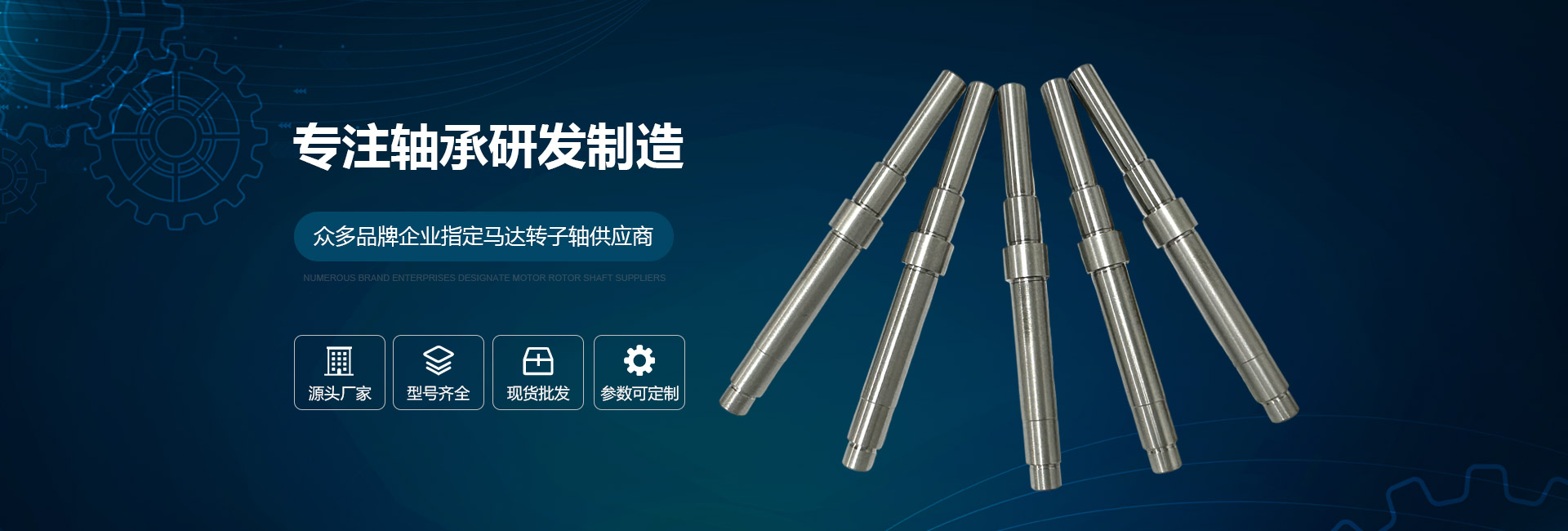


In everyday life, most of us have come into contact with motors, and they are not unfamiliar to us. Motors often contain motor shafts, which are an indispensable part of the motor. During the operation of the motor, it plays a significant role. However, after prolonged use, motor shaft fractures may occur. What causes this phenomenon?
Material Defects.
We can select a portion of the broken shafts for material analysis and mechanical property tests. From the material analysis, it is found that if the selected carbon structural steel and alloy steel are of high quality, but have not undergone proper heat treatment, the material performance is relatively poor, and the strength is not high either.
Improper processing and welding techniques.
The circumferential ring cracks on the shaft are caused by the use of low-carbon steel welding rods during the welding of the plate and shaft, which forms a softened surfacing layer on the shaft surface. Under the continuous cyclic alternating stresses, continuous distributed ring cracks form along the circumference. Over time, the crack area continues to spread, leading to the complete fracture of the shaft.
During the machining process, the non-coaxial surface of the shaft is often overlooked, and the rounded transition area between the shaft surface and the shaft shoulder frequently leaves tool marks. This results in a rough surface, which further decreases the coefficient of state and reduces the shaft's fatigue resistance, potentially leading to fractures.
Additionally, failure to strictly adhere to the specifications outlined in the drawings during the manufacturing process can also lead to the shaft breaking prematurely.
