
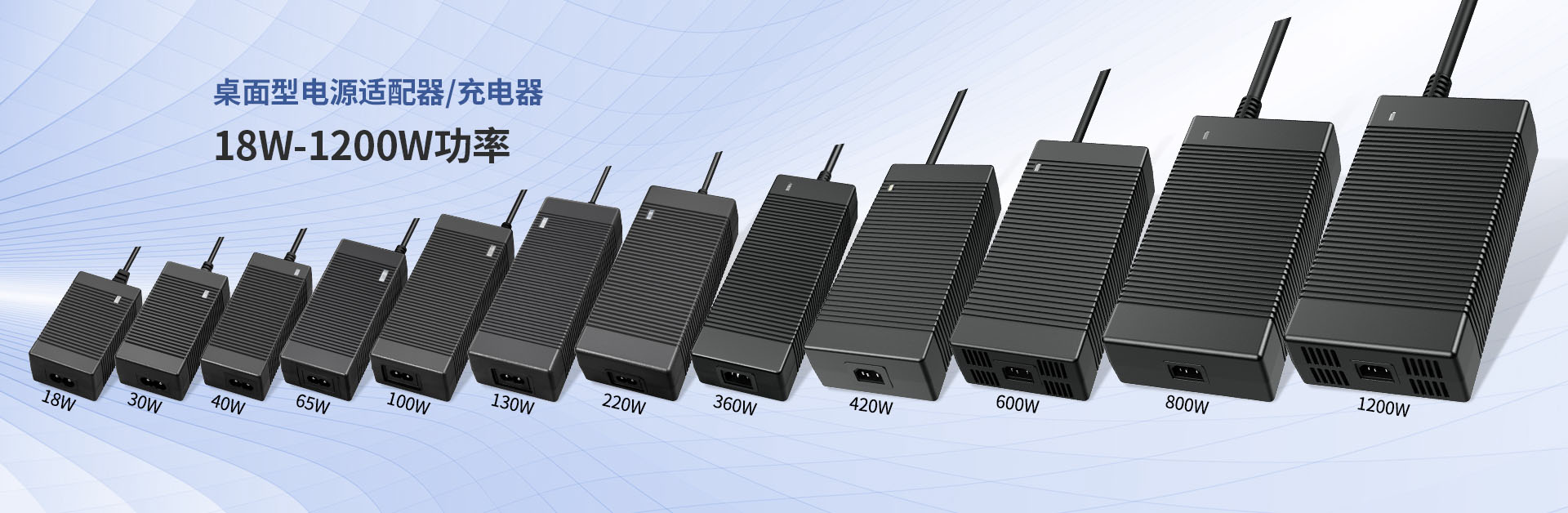
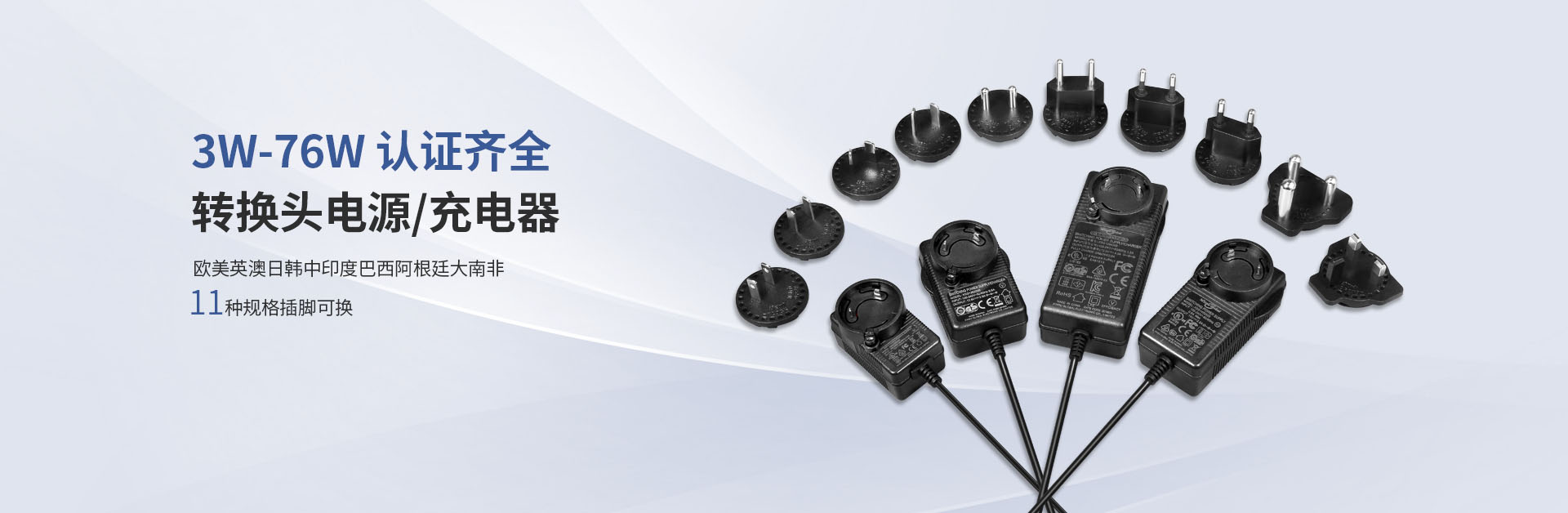
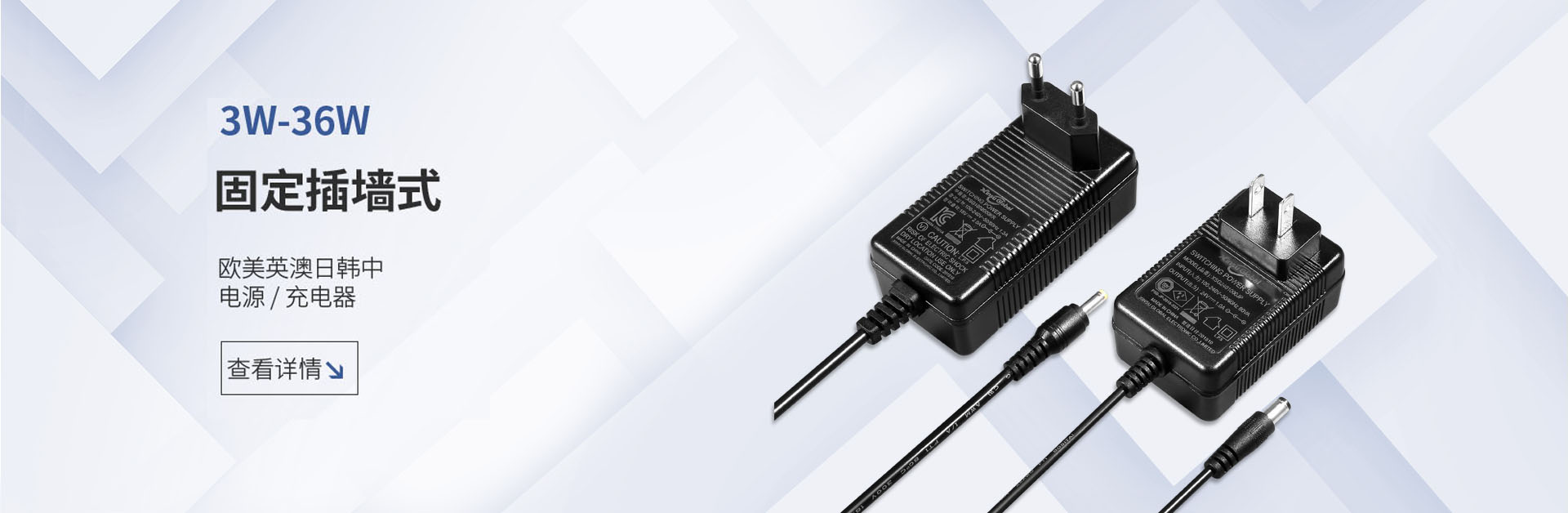


Lithium-ion battery chargers are devices designed to charge various types of lithium-ion batteries. They supply power to the battery via a cable or charging dock, maintaining its required charge and discharge duration, and ensuring the battery's lifespan and performance are optimized to the fullest.
1. The working principle of a lithium-ion charger
The lithium-ion battery charger achieves charging through the charging and discharging cycles of the lithium-ion battery, which is accomplished by converting current into voltage. When the battery requires charging, the charger connects the direct current power source to the positive and negative terminals of the battery, and controls the output voltage and current within a certain range to charge the battery.
2. Characteristics of Lithium Battery Chargers
Compared to other types of chargers, lithium-ion battery chargers feature the following characteristics:
Quick Charging: Lithium-ion charger enables rapid charging for time-saving convenience.
Reversibility: The lithium-ion battery charger is reversible, preventing overcharging and over-discharging scenarios.
Battery Safety: Lithium-ion batteries offer high safety due to their protection mechanisms against short circuits, overcurrent, overheating, and overvoltage.
3. Selection Principles for Lithium Battery Chargers
When selecting a suitable lithium-ion battery charger, consider the following factors:
Battery Types: Different types of lithium batteries require different types of chargers.
Battery Capacity: Choose the correct charger based on battery capacity and charging time.
Quality: Choose reputable brands and reliable products to ensure the charger can safely and quickly charge the battery.
Features: Some chargers offer expanded functionality, including USB device and charging for other devices like smartphones.
