

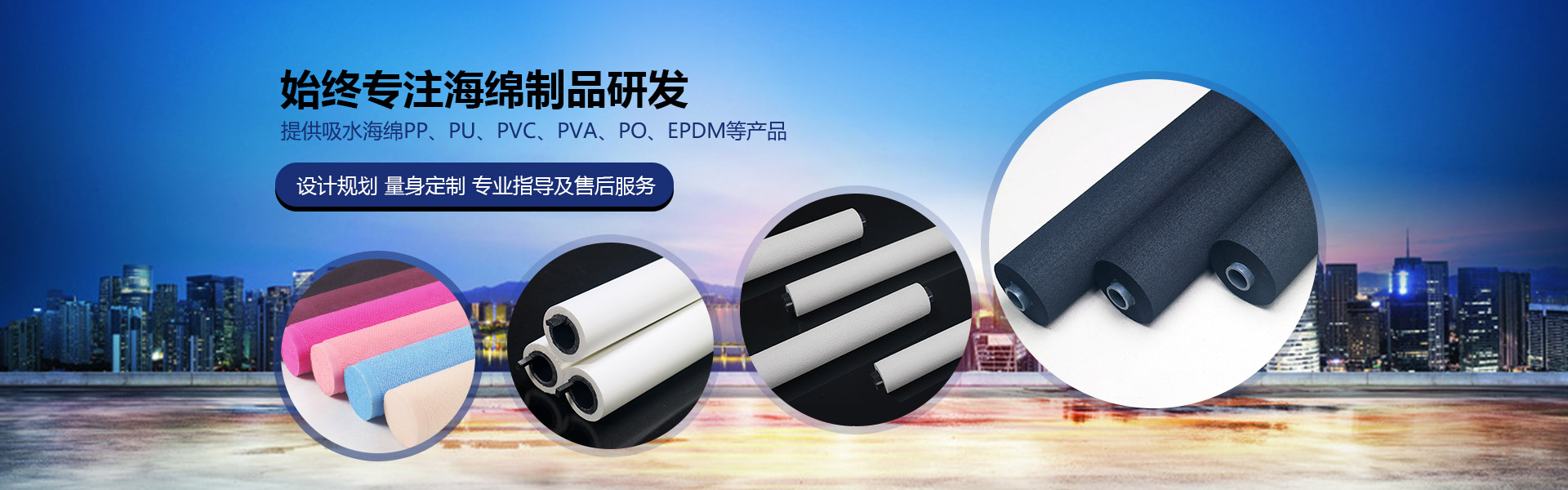


A sponge roller is a commonly used cleaning and polishing tool with features like elasticity, good water absorption, and easy cleaning. It is widely used in various grinding and wiping operations. The specifications of a sponge roller are generally determined by factors such as diameter, width, and hole size.
Diameter: The diameter of the sponge roller is usually available in sizes such as 2 inches, 3 inches, 4 inches, 5 inches, and so on. The larger the diameter, the greater the surface area of the roller, which can accommodate more friction and result in faster grinding speeds. However, it also requires a more powerful motor to drive.
2. Width: The width of the sponge roller is typically 1 inch, 2 inches, etc., and it's not always better to have a wider width. Choosing the right width depends on the specific work content, processing material, and grinding effect.
3. Bore Size: The bore sizes for sponge roller are generally available in various specifications such as 6mm, 8mm, 10mm, 12mm, and so on. Larger bore sizes require the selection of a corresponding motor and consideration of compatibility with the machine interface.
When selecting the right sponge roller, consider the following aspects:
Working Load: Select the appropriate diameter and width of the sponge roller based on the specific job content, material, and time.
2. Motor Parameters: Select the specifications of your motor, such as power, speed, and speed range, to determine the hole size.
3. Application Environment: Select sponge roller types that match specific scenarios, such as indoor or outdoor use, wet or dry conditions, etc.
4. Quality and Brand: Choose sponge roller products from reputable brands and ensure reliable quality. Pay attention to after-sales service and warranty duration.
5. Material and Durability: Opting for high-quality, durable sponge materials can effectively extend the lifespan of the roller and enhance work efficiency.
In summary, selecting a suitable sponge roller requires considering multiple factors, aligning with your needs and budget, and meeting work requirements.
