

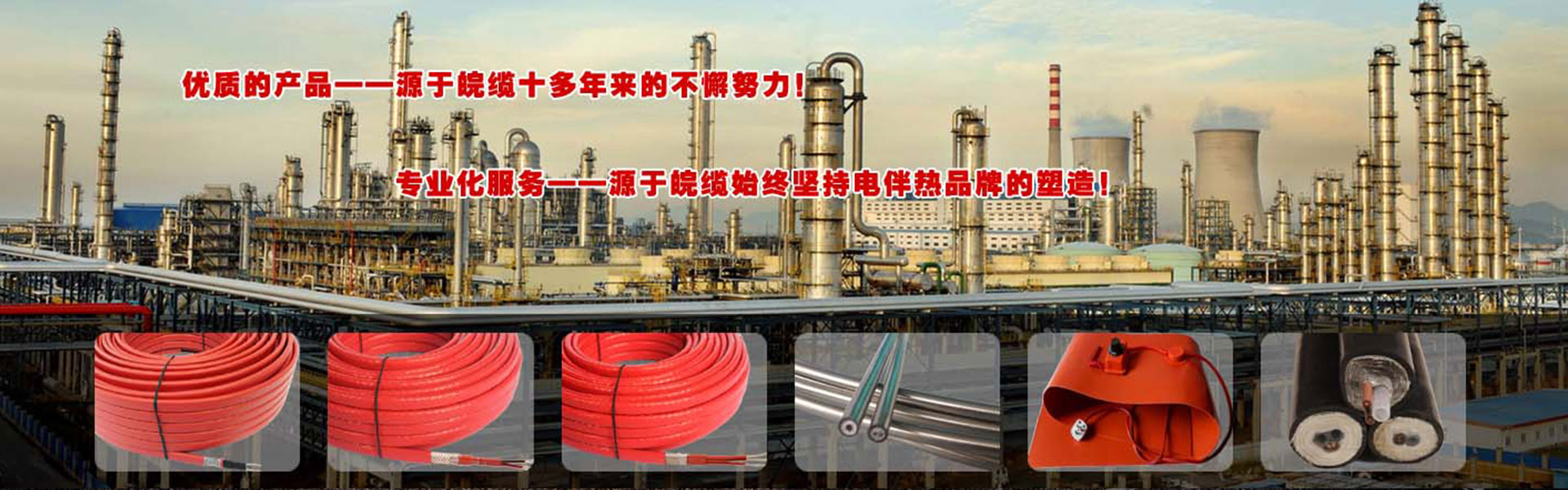

Electric heat tracing is a thermal insulation product that converts electrical energy into heat to compensate for the heat loss in pipeline media. Its application ranges widely across industries such as power plants, chemical, oil, fire protection, construction, and civil solar pipeline systems. The electric heat tracing serves as frost prevention and insulation, and can be categorized into self-limiting temperature electric heat tracing and constant power electric heat tracing.MIOur company offers four main types of heating cables, each with distinct functions and applications, and their heating principles vary as well. How does the self-limiting temperature heating cable's heating principle work?
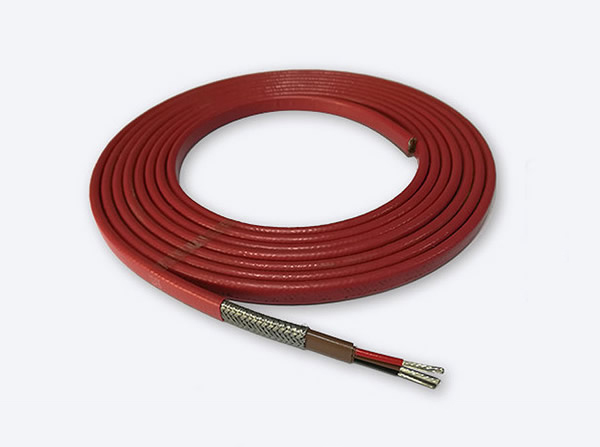
Self-limiting electric heating tape utilizesPTCThermal elements convert electrical energy into heat, and the principle of positive temperature coefficient allows this electrically heated tape to self-regulate its power based on temperature changes. Visually, the true technology of the self-limiting temperature electric heating tape is evident.PTCThe black conductive plastic layer between the parallel busbars serves merely as a conductive function; the two busbars themselves are not essential. This characteristic allows for the installation of self-limiting temperature electric heating tapes to overlap and cross without risk of burning due to excessive heat.
In the field of heat tracing applications, self-limiting temperature electric tracing belts are more energy-efficient than other electric heating products. They feature automatic adjustment capabilities, which can automatically regulate the output power in response to changes in the temperature of the traced medium, whereas constant power tracing belts...MIHeating cables and heating cables, among other products, utilize heating wires to convert electrical energy into heat. They are unable to regulate temperature on their own and require a thermostat for active temperature control. This confirms that safety spacing must be considered during installation and that they cannot be installed in a crossing or overlapping manner.
