
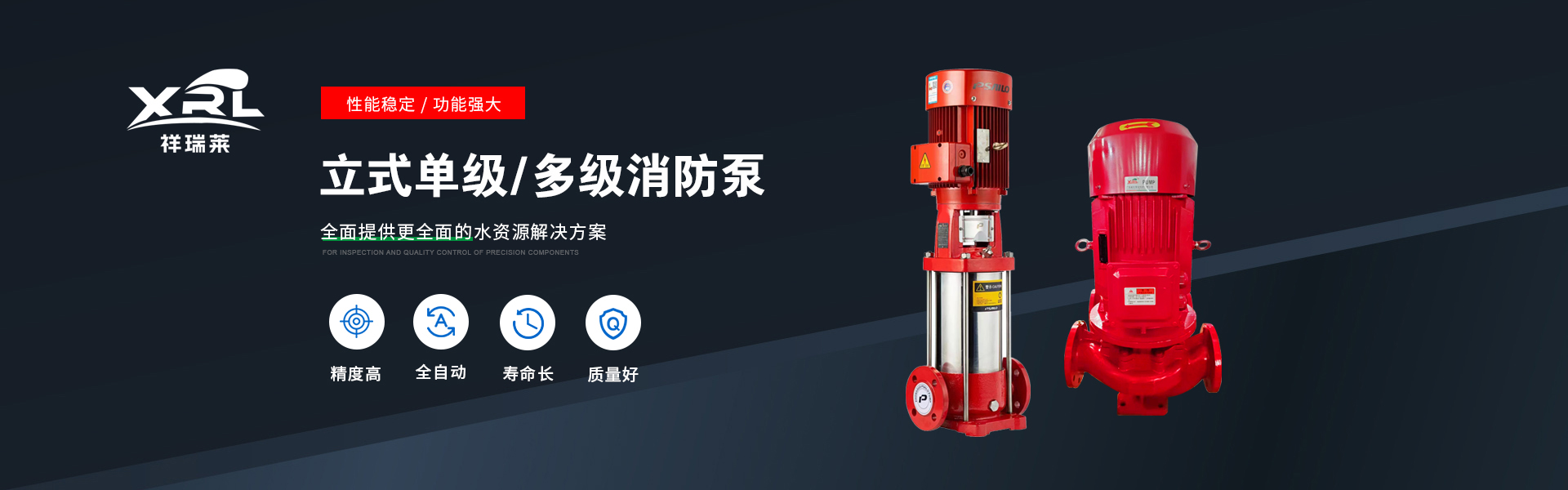

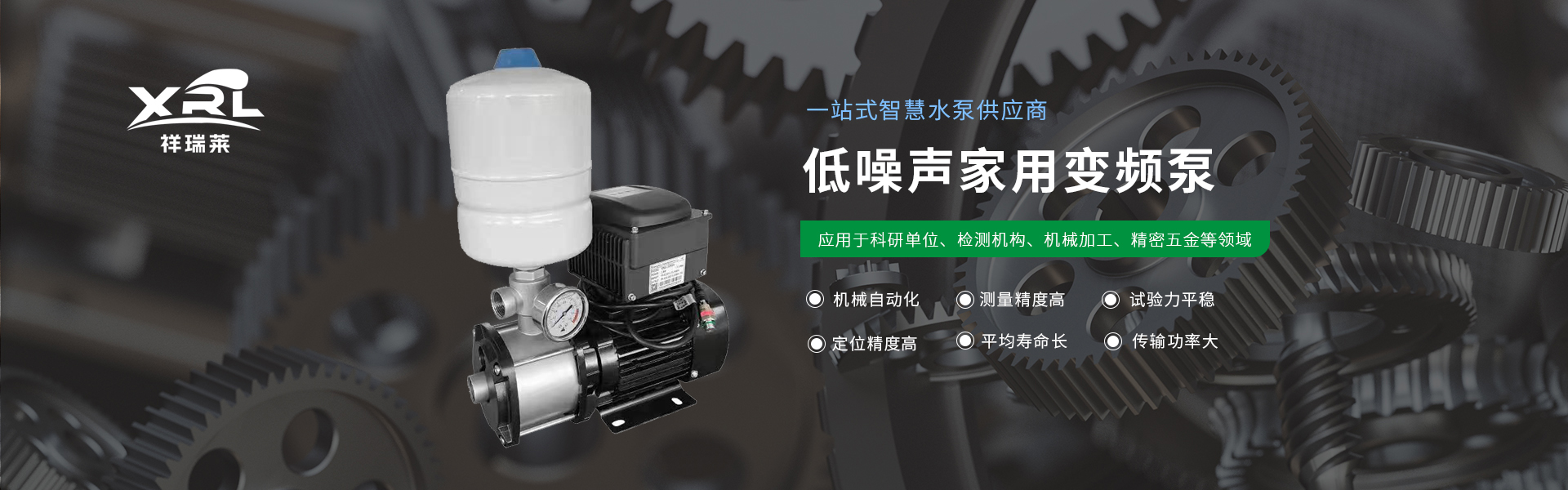

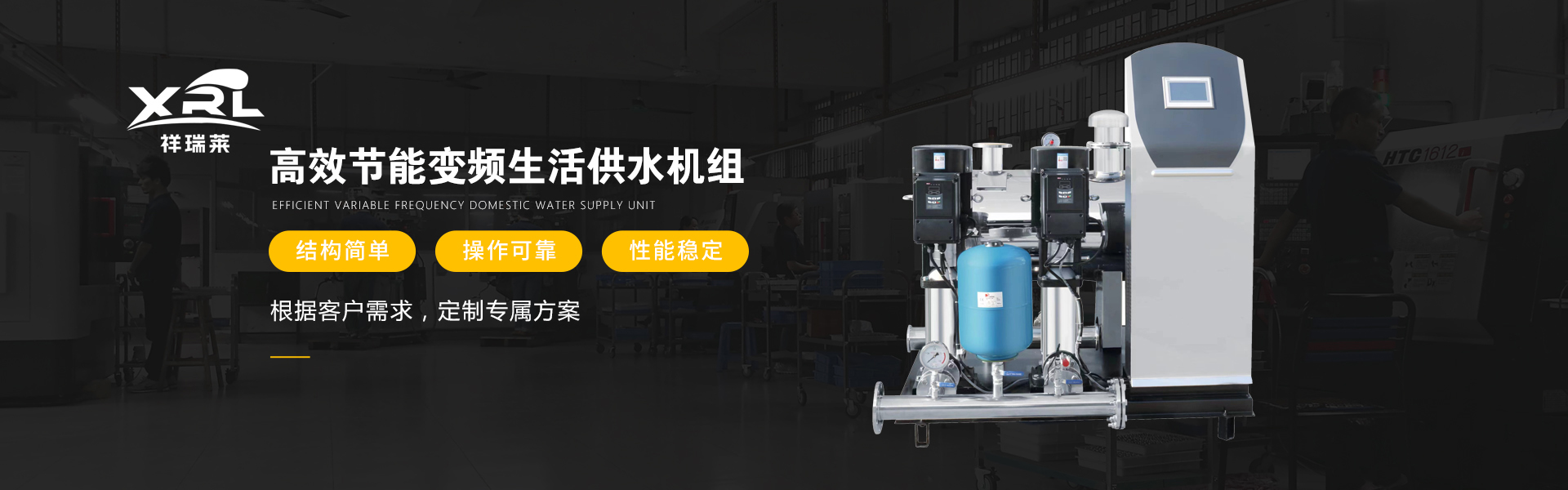

Energy-saving water pumps offer numerous advantages over traditional pumps, including but not limited to the following:
High energy efficiency ratio: The energy-saving pump utilizes advanced design and technology to enhance energy utilization efficiency, converting electrical energy into fluid kinetic energy more effectively than traditional pumps, thereby reducing energy consumption.
2. Energy-Saving: The energy-saving water pumps incorporate energy-saving components, such as motors and variable frequency controllers, during design and manufacturing, effectively reducing energy waste and thus lowering operational costs.
3. Variable Operation: Energy-saving water pumps are typically equipped with variable frequency drives or intelligent control systems, allowing them to automatically adjust operating speed and load based on actual needs, achieving intelligent operation and further energy conservation.
4. High Durability and Stability: Our energy-saving water pumps are made with high-quality materials, offering a longer service life, and operate stably and reliably, reducing the frequency of maintenance and replacement, thereby lowering maintenance costs.
5. Eco-Efficiency: Our energy-saving pumps utilize green technology and materials, reducing environmental impact and cutting down on energy consumption and carbon emissions, aligning with the principles of sustainable development and green environmental protection.
6. Versatile: Energy-saving water pumps are suitable for various industrial and commercial applications, meeting different flow and pressure requirements with good adaptability and flexibility.
7. Bright Market Prospects: With the widespread adoption of energy-saving and environmental protection concepts and the continuous rise in energy costs, the demand for energy-saving water pumps is gradually increasing, presenting a promising market outlook and development potential.
In summary, energy-saving water pumps offer numerous advantages such as high energy efficiency, cost reduction, adjustable operation, durability and stability, environmental friendliness, versatility, and a promising market outlook. They are suitable for widespread application in various industrial and commercial settings, contributing to enhanced energy utilization efficiency, reduced operational costs, and the achievement of sustainable development goals.
