


For micro-reduction motors, noise is an unavoidable technical issue. The main sources of noise in micro-reduction motors include:
One: High-speed operation of motors can lead to excessive noise if the rotor is unbalanced. It is necessary to perform dynamic balancing on the rotor during the production process.
The gear meshing in the gearbox generates noise, the magnitude of which is related to the output speed and the material and precision of the gears. Noise can be reduced by decreasing the output speed, changing the gear material, or improving precision.
The friction between the output shaft and bearing of a miniature reducer can generate noise, and if there are installation errors in the bearing, the noise can increase dramatically. The noise can be reduced by using a smaller radial clearance, selecting lubricating grease with an appropriate viscosity, and controlling the bearing assembly error below the critical value.
Four: Electromagnetic Noise. Electromagnetic noise constitutes a relatively small portion of the noise in micro-reduction motors. Generally, it is not necessary to take special measures to reduce electromagnetic noise. However, for micro-reduction motors with high noise requirements, increasing the stator and rotor slots and decreasing the magnetic flux density can be employed to decrease electromagnetic noise.
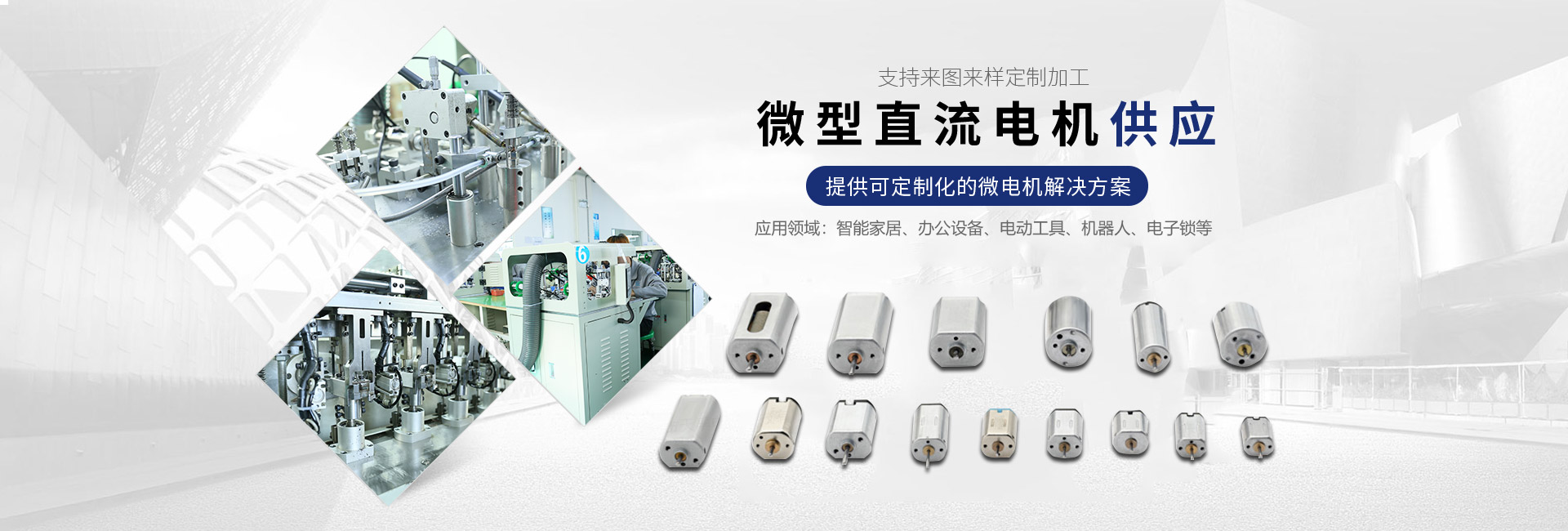
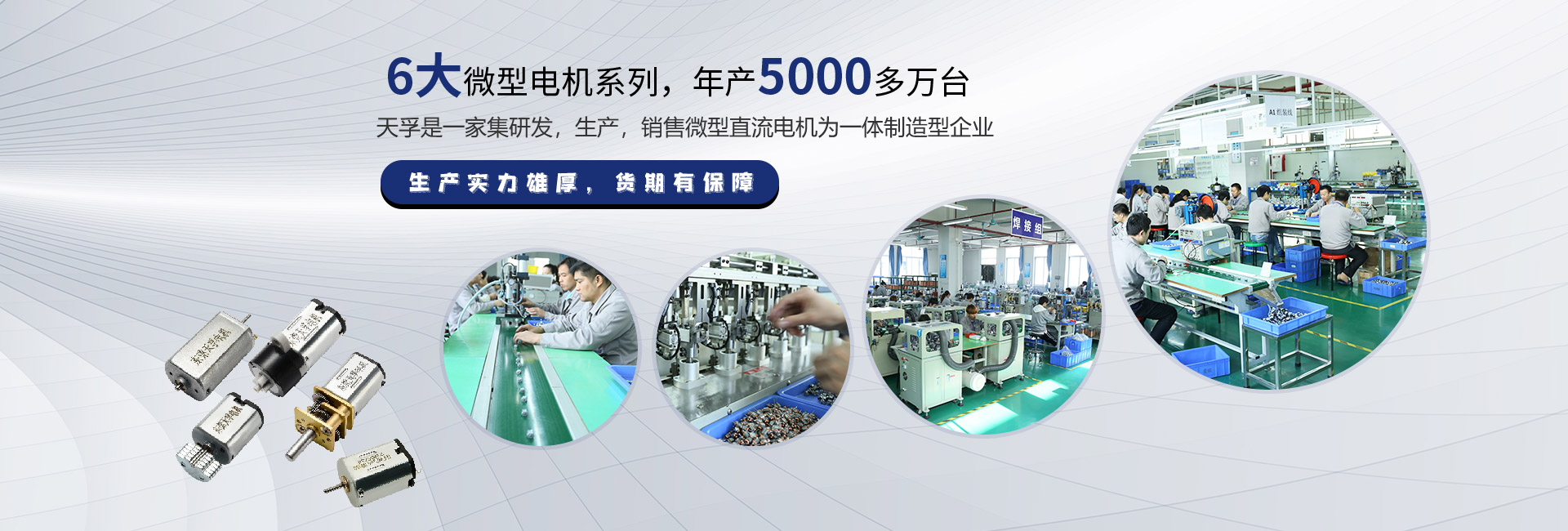
Tianfu Motor Technology Co., Ltd. of Dongguan is a micro-motor company that integrates research and development, production, and sales of products such as micro DC motors, micro vibration motors, and micro reduction motors. We produce micro gear reduction motors, micro planetary gear reduction motors, and micro worm gear reduction motors in models including M10, 1012, N10, N20, N30, 030, 050, 130, 180, 310, 320, 330, 370, 365, 380, 390, 520, 545, and 550.
