
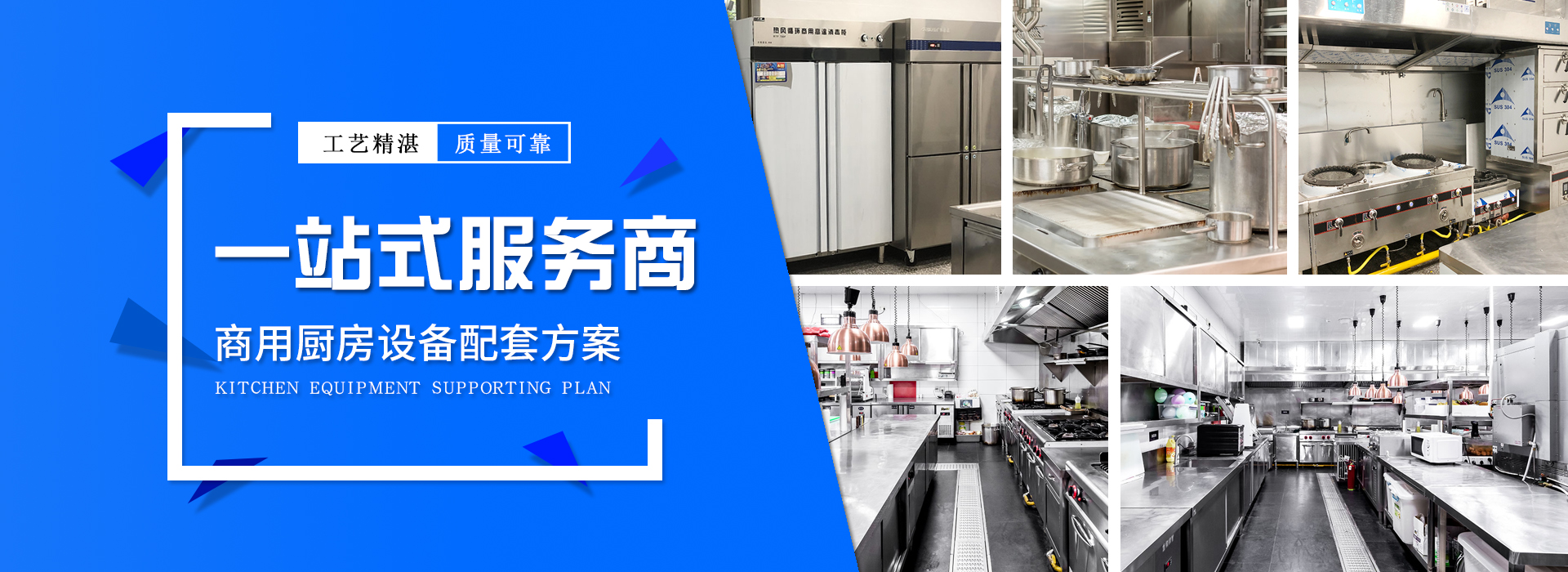



Commercial kitchen projects include civil engineering and decoration and renovation work. In essence, the main part is the kitchen equipment engineering. As long as the civil and decoration work meets the requirements of the kitchen equipment, the project is considered to pass the inspection. What are the specific standards for the inspection of commercial kitchen projects? They can be divided into three aspects.
Civil engineering-related
1. Water Level
Water pipes are neatly arranged, with ample water inlets provided. The sewage trench has a depth of 0.6 meters or more and a length less than 10 meters, with a certain gradient greater than 0.5%.
Established a three-level grease trap,预留 wall openings required, including those for exhaust pipes, ensuring compliance with specified dimensions. Constructed wall partitions and a countertop to meet the kitchen design requirements.
2. Voltage
The cable conduit is neatly arranged, with ample power outlets to meet the power requirements of the kitchen's equipment layout. The electrical distribution box must accommodate the high power demands of all appliances in use, without overloading, and must be properly equipped with overload protection devices.
3. Install air conditioning to meet usage requirements, complemented by the use of a fresh air ventilation system, ensuring the kitchen remains cool and not stuffy.
4. Doors must comply with design specifications, ensuring access for equipment and smooth passage for staff, with a minimum width of 1.2 meters. The size of the windows must also meet the kitchen equipment engineering requirements for fresh air supply.
The gas pipeline must be set up in accordance with national standards, with the pipes arranged neatly to meet the simultaneous gas consumption needs of all kitchen gas equipment.
During operation, water, electricity, gas, air conditioning, and doors and windows all function normally without any malfunctions or unreasonable occurrences.
II. Decorative and Renovation-Related
Primarily lighting and requirements for floors, walls, and ceilings.
Ensure adequate lighting to maintain a bright kitchen and special illumination requirements for key areas such as the prep station, sink area, cutting station, display counters, etc. Central lighting should use fluorescent tubes, while explosion-proof lighting is required for cold storage areas.
The ground is mostly made of anti-slip tiles, which also need to be corrosion-resistant, water-repellent, and wear-resistant, with an inclination of more than 1.5% towards the storm drain. The ground in the central kitchen is predominantly made of epoxy flooring that is wear-resistant, anti-slip, and corrosion-resistant.
The walls are also clad in smooth tiles, corrosion-resistant, and easy to clean.
Kitchen ceilings should not be too low to avoid affecting the installation of the exhaust system.
Section III: Kitchen Equipment Engineering Related
The kitchen utility space is well-arranged, meeting usage requirements as well as hygiene and fire safety standards.
The kitchen equipment meets the specifications and quantities required for use, boasts high quality, and is all certified products. It's user-friendly and not prone to malfunctions. The arrangement of the kitchen equipment aligns with daily habits, ensuring smooth operation and preventing any conflicts with others.
The kitchen exhaust system is operating normally; there is no smoke or grease in the kitchen, ensuring good air circulation.
That's all the commercial kitchen engineering inspection standards that our editor has introduced to you. As long as your commercial kitchen project meets these usage requirements, it is deemed qualified. In fact, the specific commercial kitchen engineering inspection standards are usually found in the bidding documents. If you want to learn more about the details, feel free to call Yike Yiban for consultation; the consultation is free of charge.
