
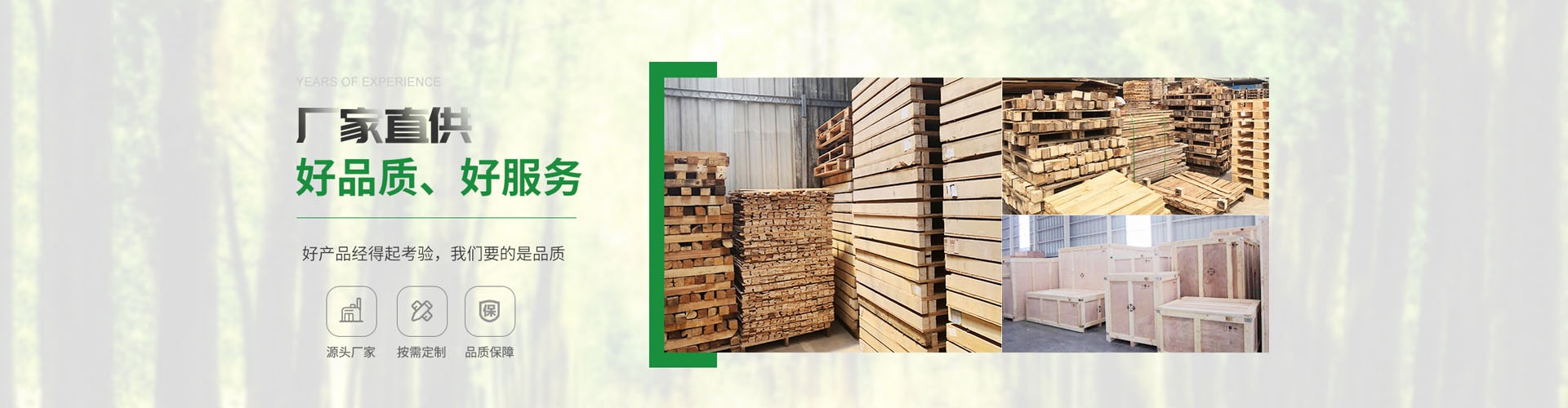
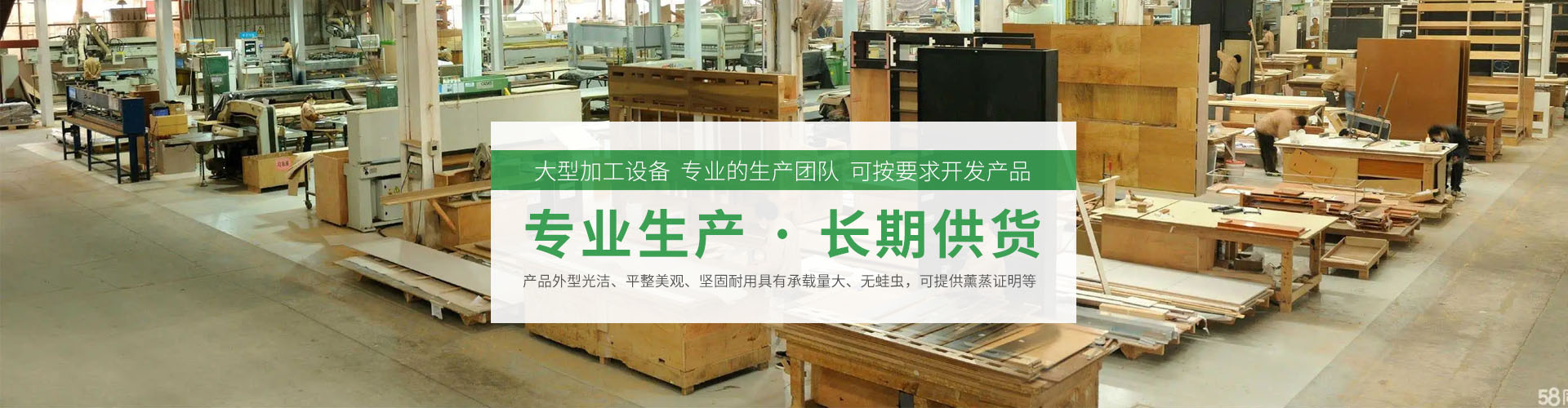

The unique usage environment of wooden box packaging necessitates it to possess certain performance capabilities. Primarily, it should have adequate mechanical properties to effectively protect the product. This includes a certain level of strength, rigidity, toughness, and elasticity to withstand static and dynamic factors such as pressure, impact, and vibration. Secondly, it should have appropriate barrier properties, with the wooden packaging boxes having the ability to block moisture, water vapor, gases, light, fragrances, odors, and heat, according to different packaging requirements for the product.
The primary concern is the anti-corrosion property, as the material is mainly wood, which inevitably poses a risk of corrosion during transportation and storage. Therefore, anti-corrosion is a crucial aspect of wooden crates. Traditional methods passed down from ancient times include applying tung oil or boiling the crate packaging in tar. The wood is then nailed together, and sealant is applied to the seams. We can cover the inside of the crate with plastic film to create a sealed space, preventing rain and harmful gases from entering the crate and damaging the contents. During transportation, an additional layer is placed on the outside for double protection, ensuring no leaks.
