
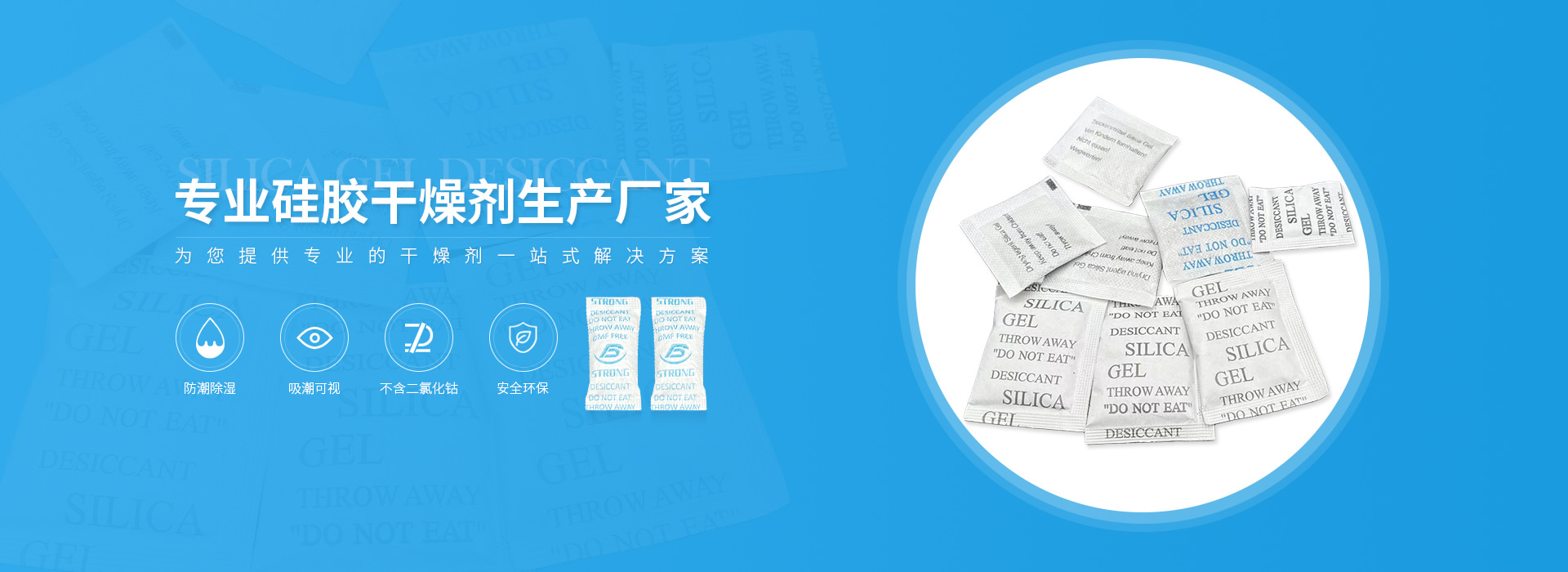
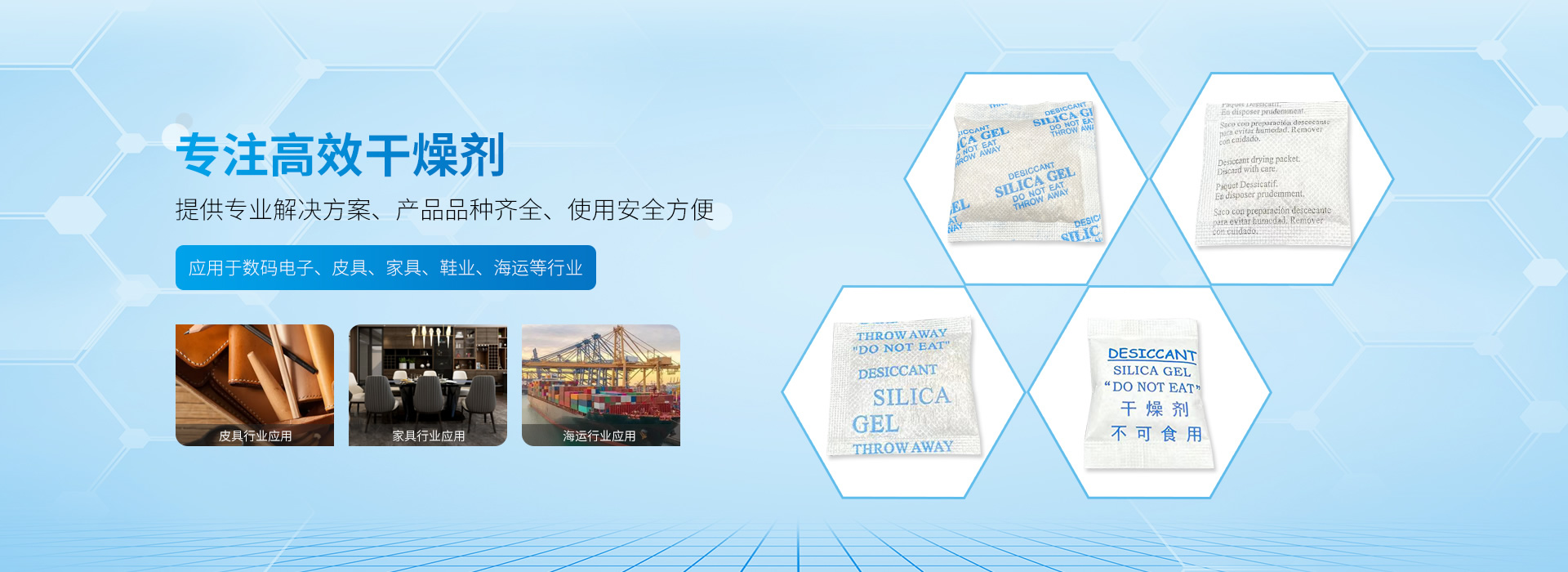


Desiccants are substances capable of removing water molecules from moist materials (solid, liquid, or gas), thereby reducing environmental humidity. They help maintain low humidity levels, which inhibits the growth of mold and bacteria in a dry environment, slows down the oxidation and rancidity process of products, extends the shelf life of food, and improves economic benefits. Next, let's explore the principles of desiccants and the reasons for using montmorillonite desiccants in electronic products.
Desiccant Principle:
Desiccants can be divided into two categories based on their drying principles: chemical desiccants and physical desiccants. Chemical desiccants are substances that absorb moisture and often undergo a chemical reaction, while physical desiccants simply absorb moisture without any chemical reaction. The principle of physical desiccants primarily relies on adsorption to remove water molecules from damp substances, i.e., by the particles on the solid surface attracting and adsorbing water molecules from various gases, liquids, etc. Desiccants typically have many pores and a large surface area. The most commonly used desiccant today is silica gel, which belongs to the physical adsorption category. Silica gel itself is a neutral substance and does not react with other materials except under certain conditions with strong bases and acids.
