
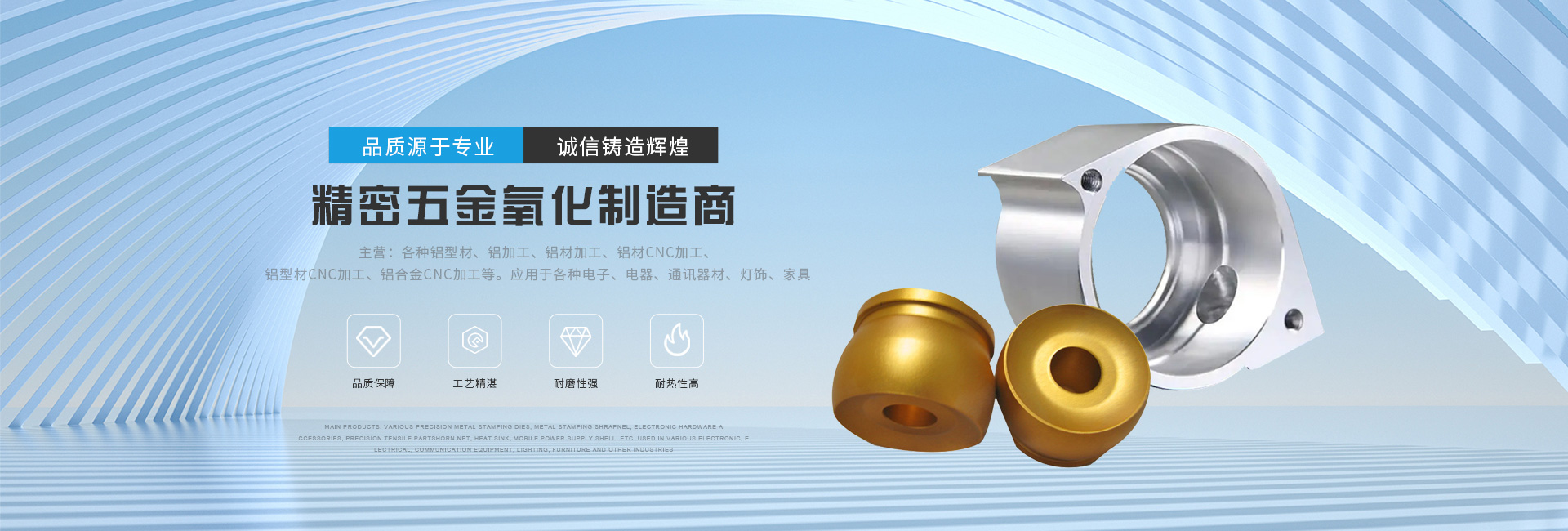
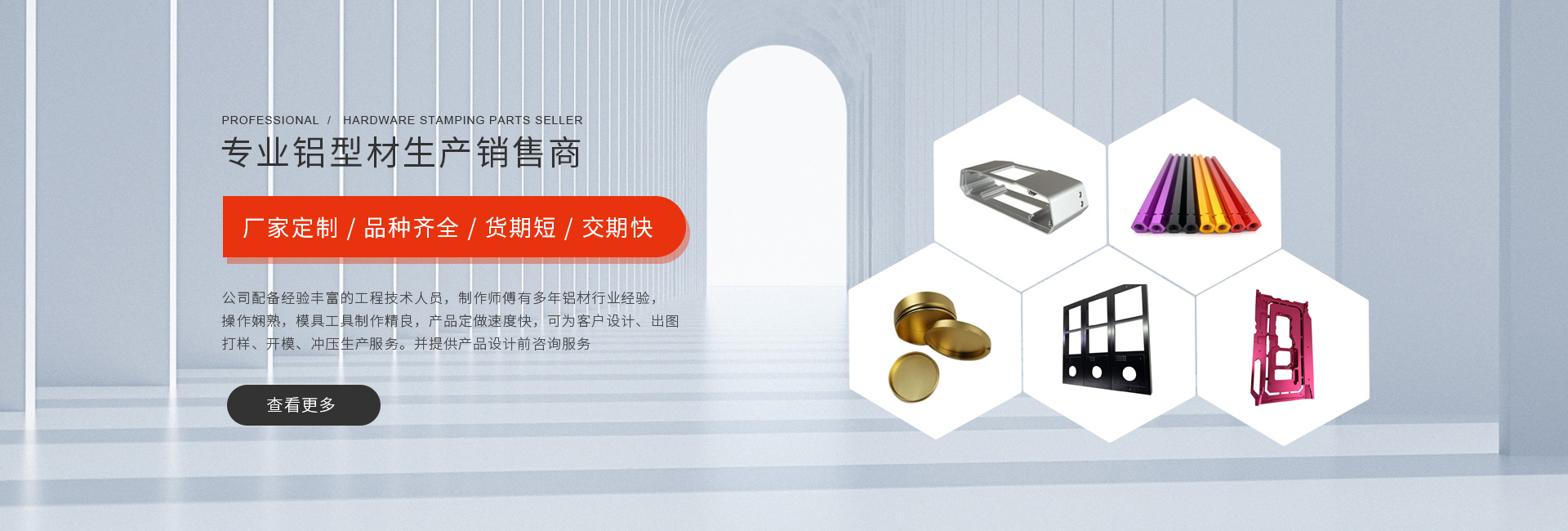
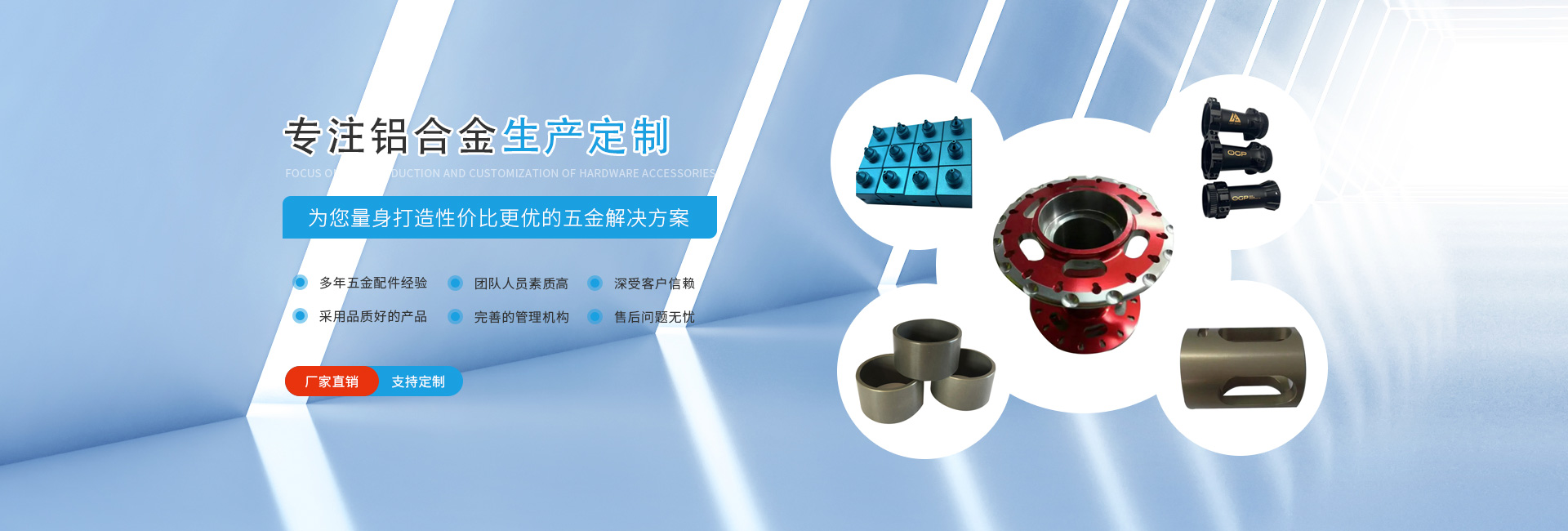

Anodic oxidation is an electrochemical oxidation process of metals or alloys. It involves the formation of an oxide layer on aluminum products (anodes) under the influence of an external current, in a corresponding electrolyte and specific process conditions. In Shenzhen, unless otherwise specified, anodic oxidation typically refers to sulfuric acid anodic oxidation.
The primary reasons for the discoloration on the surface after anodizing are as follows:
1. The pretreatment alkaline washing of the workpiece was insufficient.
2. Reworked products with incomplete coating removal.
The oxide film has been contaminated.
During anodizing, excessive current density was applied.
Aluminum Anodizing Liquid Temperature Too High.
6. Low liquid anodizing temperature, insufficient current density.
Temperature in the dye tank is too low.
The dyeing tank liquid has oil stains.
9. Insufficient water washing after oxidation; not thoroughly cleaned.
