
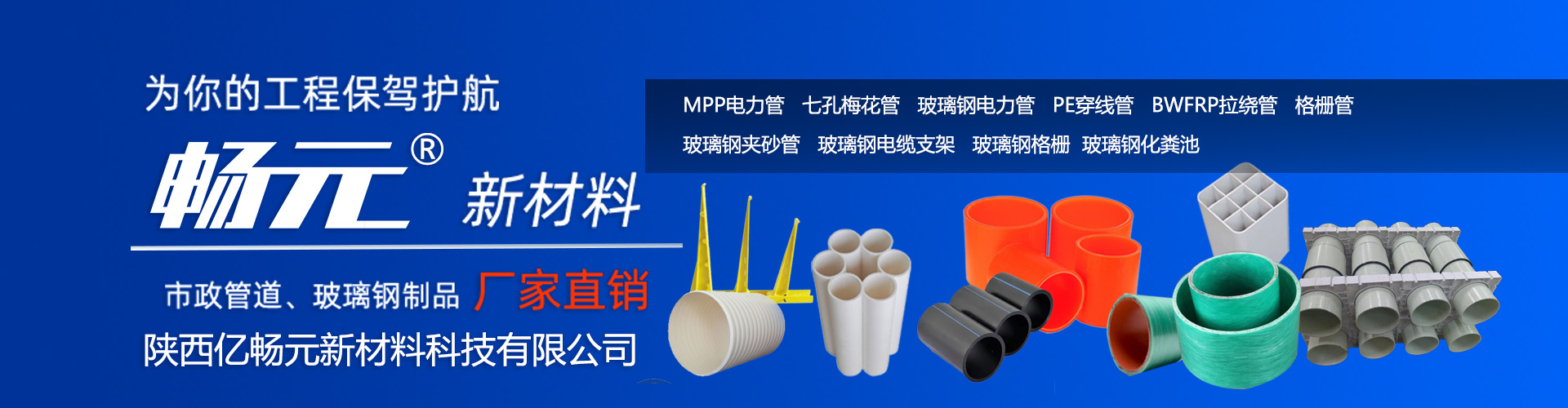

The construction methods for MPP drain pipes mainly include the following steps:
Preparation Phase
Designing the Plan: Based on the actual conditions of the project, we develop a reasonable construction plan, including construction drawings and schedules, taking full consideration of geological conditions, traffic conditions, pipe materials, diameters, and lengths, among other factors.
Material and Tool Preparation: Prepare the required materials and tools as per the design plan, such as MPP拖拉管 (MPP拖拉管), manhole covers, sandbags, stones, cement, and so on.
Location Selection: Choose a suitable site for drainage pipes, avoiding interference from underground pipelines and other facilities. When selecting a location, factors such as ventilation, drainage, and safety should be considered.
Section II: Positioning Work
Tubing Hole Placement Determined: According to the design plan, the starting and ending points of the drag tube on the ground surface are established, as well as the position and orientation of the underground borehole, to ensure the parallel and horizontal alignment of the drag tube.
Drilling Operations
Confirm Boring Direction: According to the design plan, determine the direction and depth of the underground boreholes, ensuring they are parallel to the excavation opening with an accuracy of no more than 5 cm.
Drilling Construction: Opt for a professional construction team and utilize appropriate equipment for drilling. During the drilling process, ensure the smoothness and levelness of the hole walls to prevent deformation and impact at the hole opening.
Four: Installation Work
The preparation and installation of drainage pipes: Prepare MPP drainage pipes and lower them into the borehole for smooth pulling. On the well site, personnel should be on standby to monitor the pulling process, ensuring stable progress. Regularly clean the borehole walls during the process to ensure the smooth operation of the pipes.
Junction and Fixation: Once the drag pipe reaches the target hole opening, perform the junction and fixation. During the junction, ensure the regular alignment of the pipeline and the sealing integrity at the connection point. Pay special attention to construction safety at this stage.
V. Acceptance Procedures
Inspection of Specifications and Quantities: Conduct an inspection of the MPP conduit after construction to ensure that the specifications and quantities meet the expected quality and timeline requirements.
Testing and Inspection: Inspections are conducted on MPP drainage pipes, including hydrostatic and pressure tests, to ensure the safety, sealing integrity, and reliability of the piping systems for construction projects.
During the construction process, the following points should also be noted:
Enhance on-site management and technical training to ensure staff are proficient in understanding the characteristics and key installation techniques of MPP drainage pipes.
We strictly adhere to national standards for quality acceptance, ensuring that any non-compliant sections are rectified within a specified time frame.
Emphasizing safety and health education to prevent geological hazards such as collapses and landslides, ensuring personal and property safety.
Efficiently schedule construction timelines to prevent extended losses due to unfinished projects before the rainy season arrives.
By strictly adhering to the above steps and precautions, the construction quality and safety of MPP drainage pipes can be guaranteed.
