
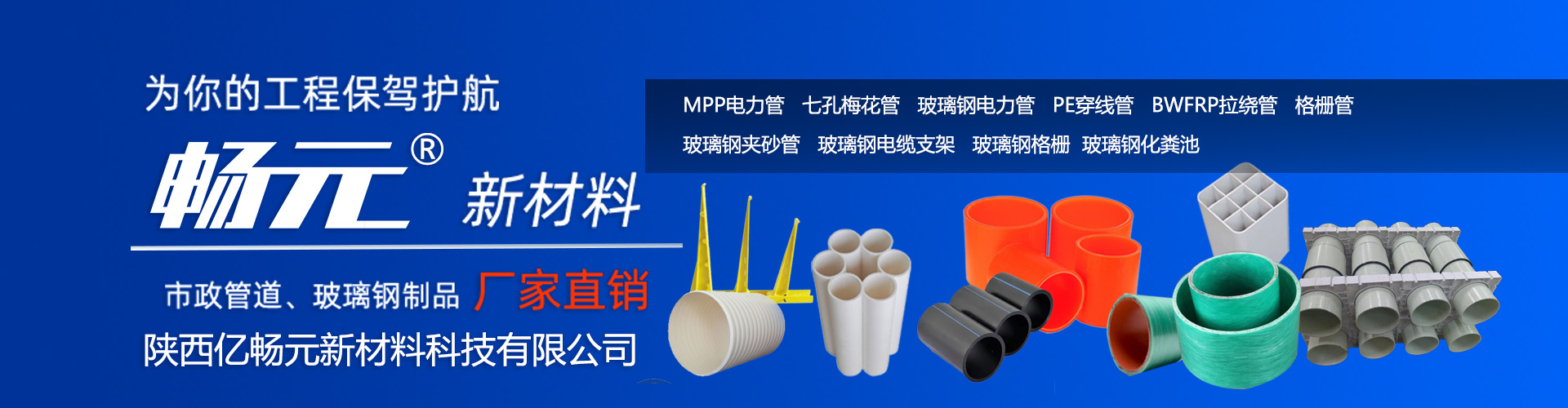

One, Different Raw Materials
MPP power pipes are primarily made of modified polypropylene, offering convenience, reduced damage to road surfaces, and a wide range of applications. They boast excellent insulation properties, high-temperature resistance, strong compressive strength, lightweight, easy installation, smooth inner and outer walls, low friction, long service life, and superior performance.
MPP power pipes are made from modified PP raw materials, featuring high-temperature resistance, pressure resistance, and excellent insulation properties. They are suitable for conduit materials for high-voltage transmission lines above 10KV.
The latter is made with PVC-C resin as the base material, featuring high strength, excellent flexibility, high heat resistance, corrosion resistance, flame retardancy, good insulation properties, non-pollution, low aging tendency, light weight, and easy installation.
Scope of Application Varies
Urban power grid construction and renovation; municipal infrastructure improvement projects; civil aviation airport engineering projects; construction of engineering parks and residential area projects; transportation and road and bridge engineering projects; laying of urban streetlight cables, which also serve as guidance and protection.
Raw materials for electrical conduits vary greatly, resulting in numerous classifications. Consumers can choose and purchase based on the application environment and performance.
The piping materials produced from MPP can operate for up to 50 years under ambient temperatures ranging from -5℃ to 70℃, offering a series of advantages including high strength, excellent moisture resistance, ease of cable installation, simple construction, and cost savings. In contrast, the piping produced from CPVC is more brittle, with lower bending modulus and tensile strength.
III. Cost
Considering cost, CPVC power pipe material is significantly cheaper than MPP material. Therefore, power pipe manufacturers will choose materials based on the clients' quality requirements.
