
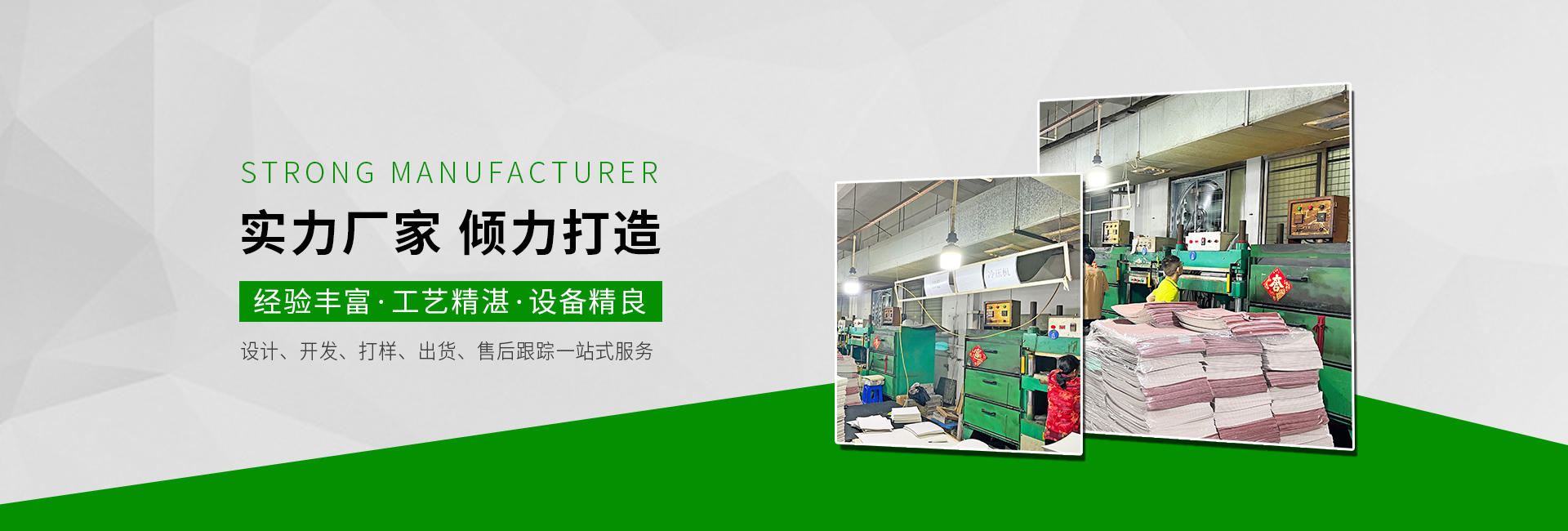
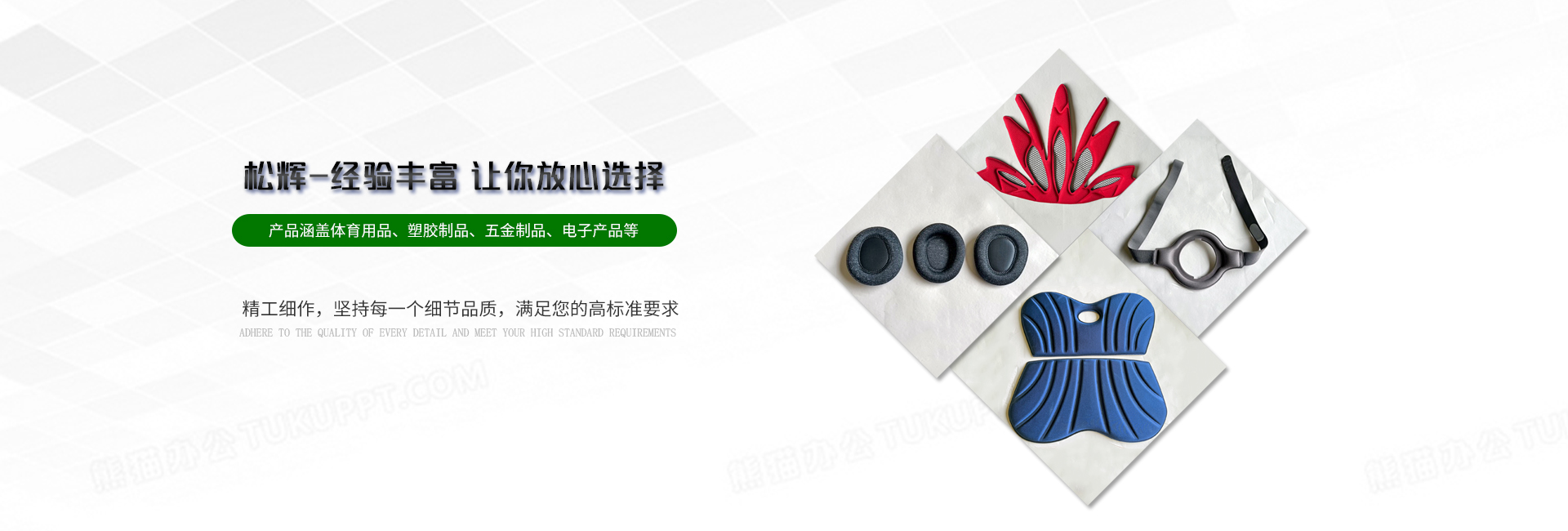


The process of sponge lining processing typically involves cutting, heat forming, piercing, and needling the shaped sponge lining to create products that meet specific requirements. Below is an introduction to the individual steps in the sponge lining processing process:
Cutting
Cutting is a fundamental step in the processing of sponge lining and a commonly used method. According to customer requirements, the shaped sponge lining is cut to produce lining products of specific sizes and shapes. There are two types of cutting methods: manual and mechanical, with mechanical cutting offering higher precision and speed.
2. Hot Press Molding
Hot pressing, also known as thermoplastic processing, involves treating the bottom surface of a sponge lining with some form of heating process to transform it into a lining product with a specific shape. This method is suitable for various irregularly shaped lining products, such as car seat linings and office chair seats. The prerequisite for hot pressing is that the sponge lining must have certain softening and melting points, hence materials like polyethylene and polyurethane are commonly used.
3. Piercing
Perforation refers to creating small holes in the sponge lining to allow gases and liquids to pass through smoothly. The density and size of the perforations in the sponge lining can be customized to meet customer requirements. The main methods of perforation are stamping and laser perforation, with laser perforation typically yielding finer and more uniform holes.
4. Needlework
Needling involves piercing the multi-layered foam lining with a high-speed needle knife, causing it to bond together, thereby forming a thicker multi-layered foam lining. There are primarily two methods of needling: mechanical and water needling. Mechanical needling is generally used for定型 and to increase the lining's strength, while water needling is mainly employed for shrinking holes, smoothing the surface, and giving the lining a fluffy texture.
In summary, the processing methods for sponge linings are diverse, and to ensure they meet various customer requirements during production, strict processing techniques, procedures, and equipment are necessary. Moreover, skilled personnel are required to operate these, enabling the production of high-quality sponge lining products.
